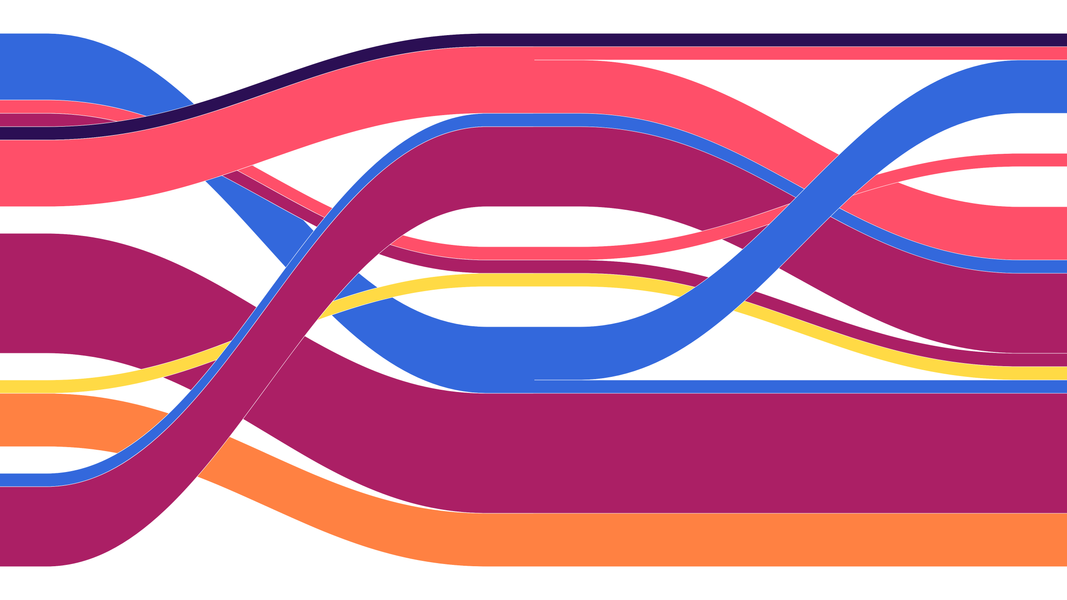
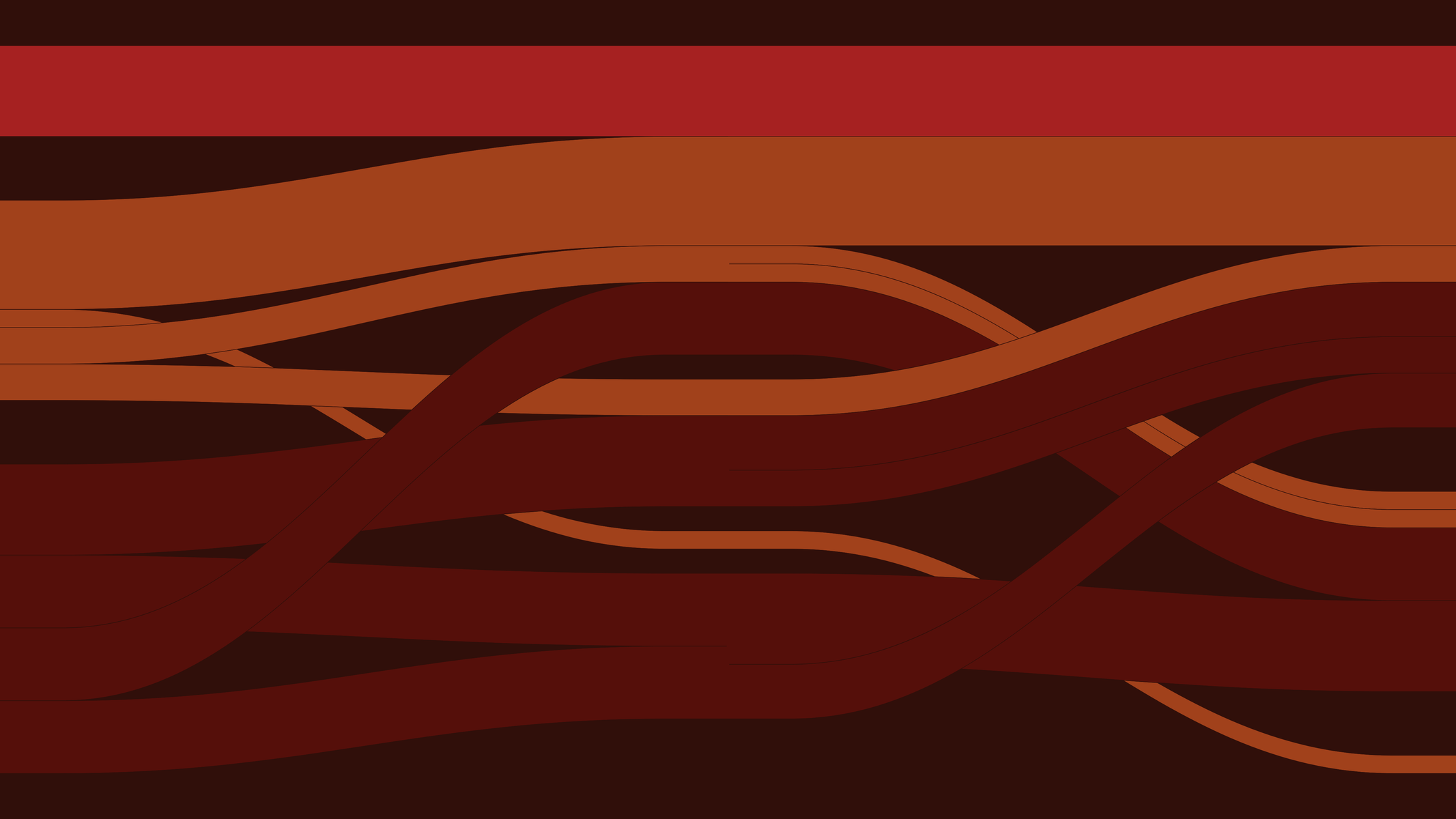
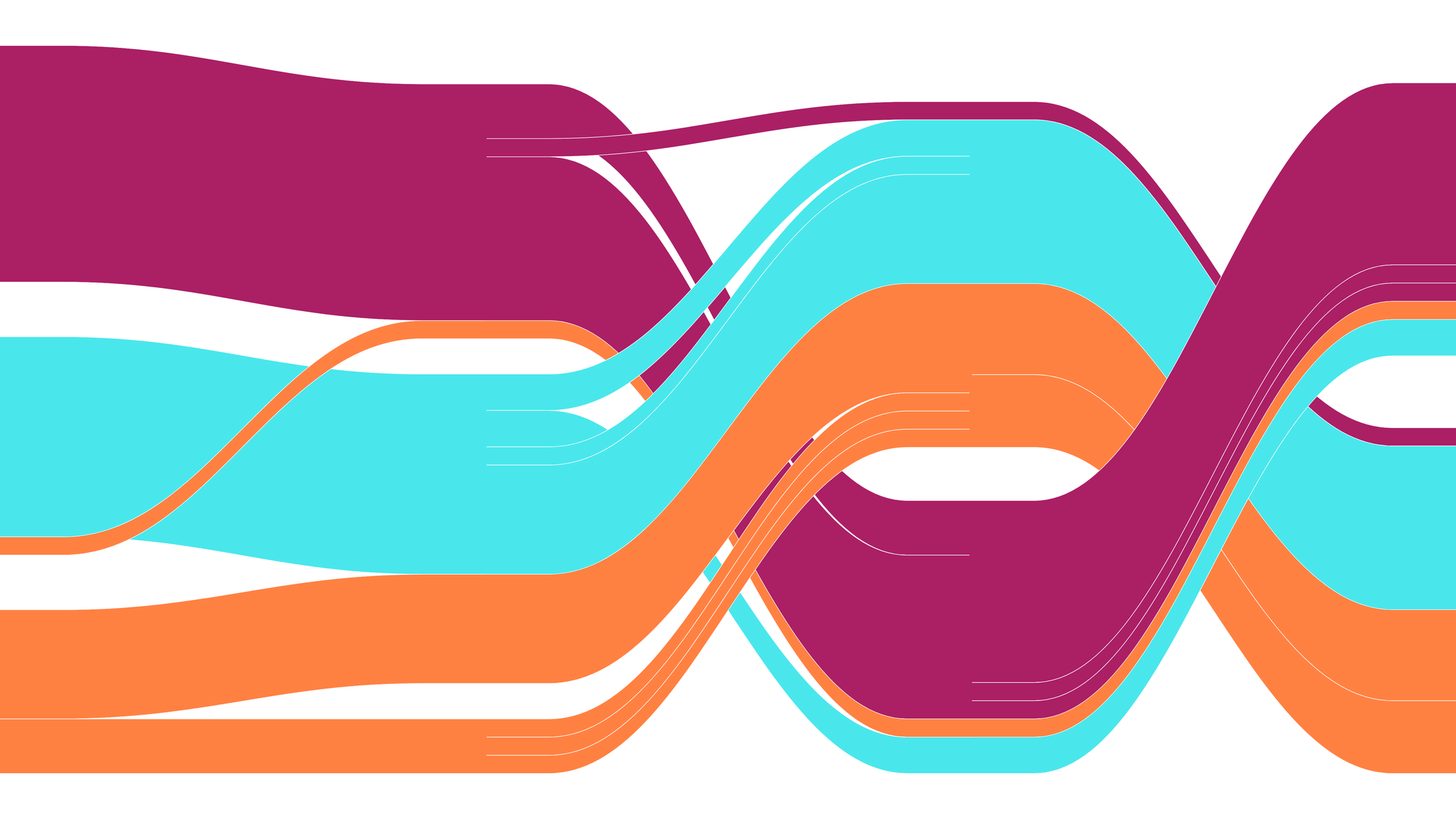
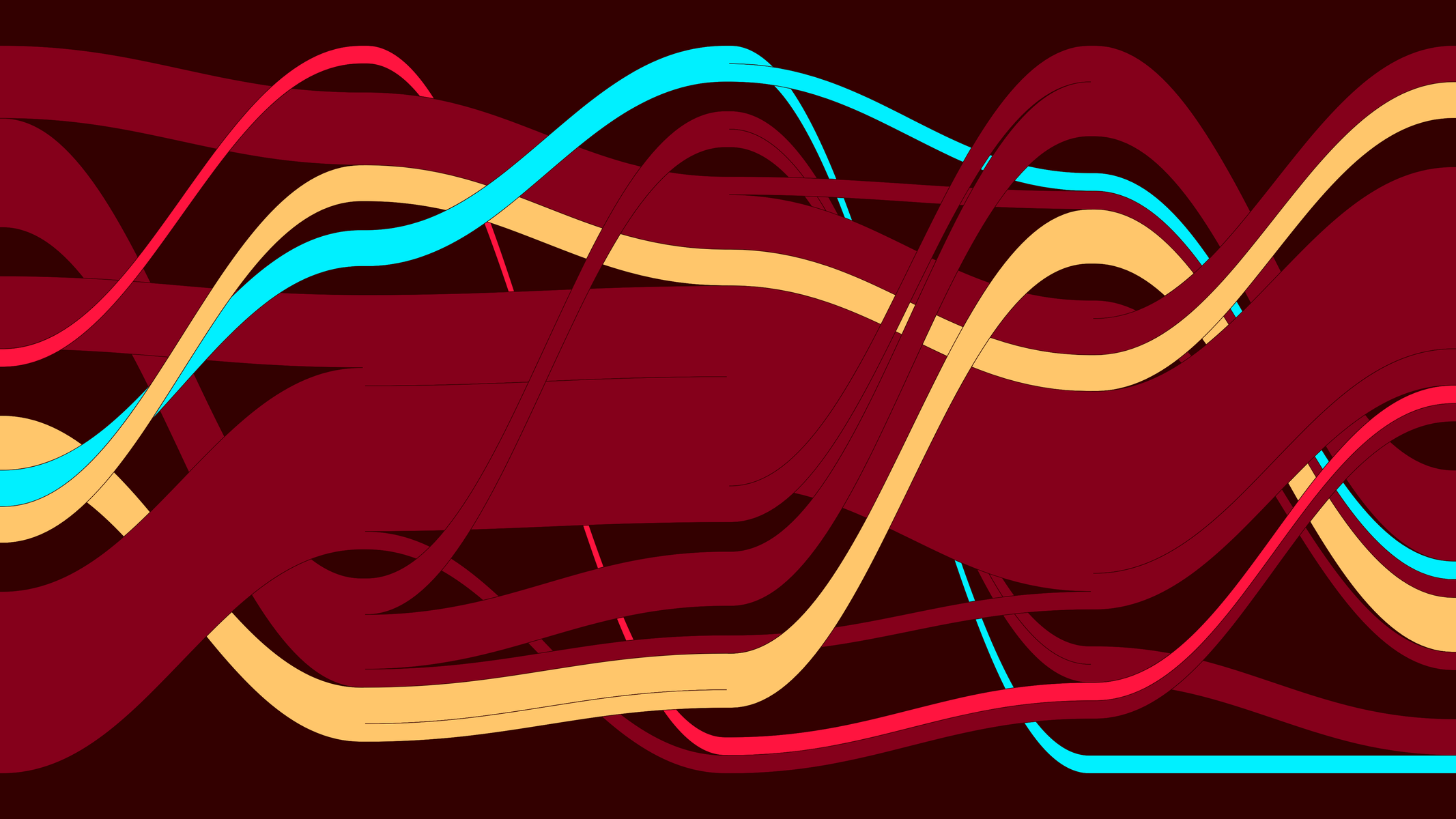
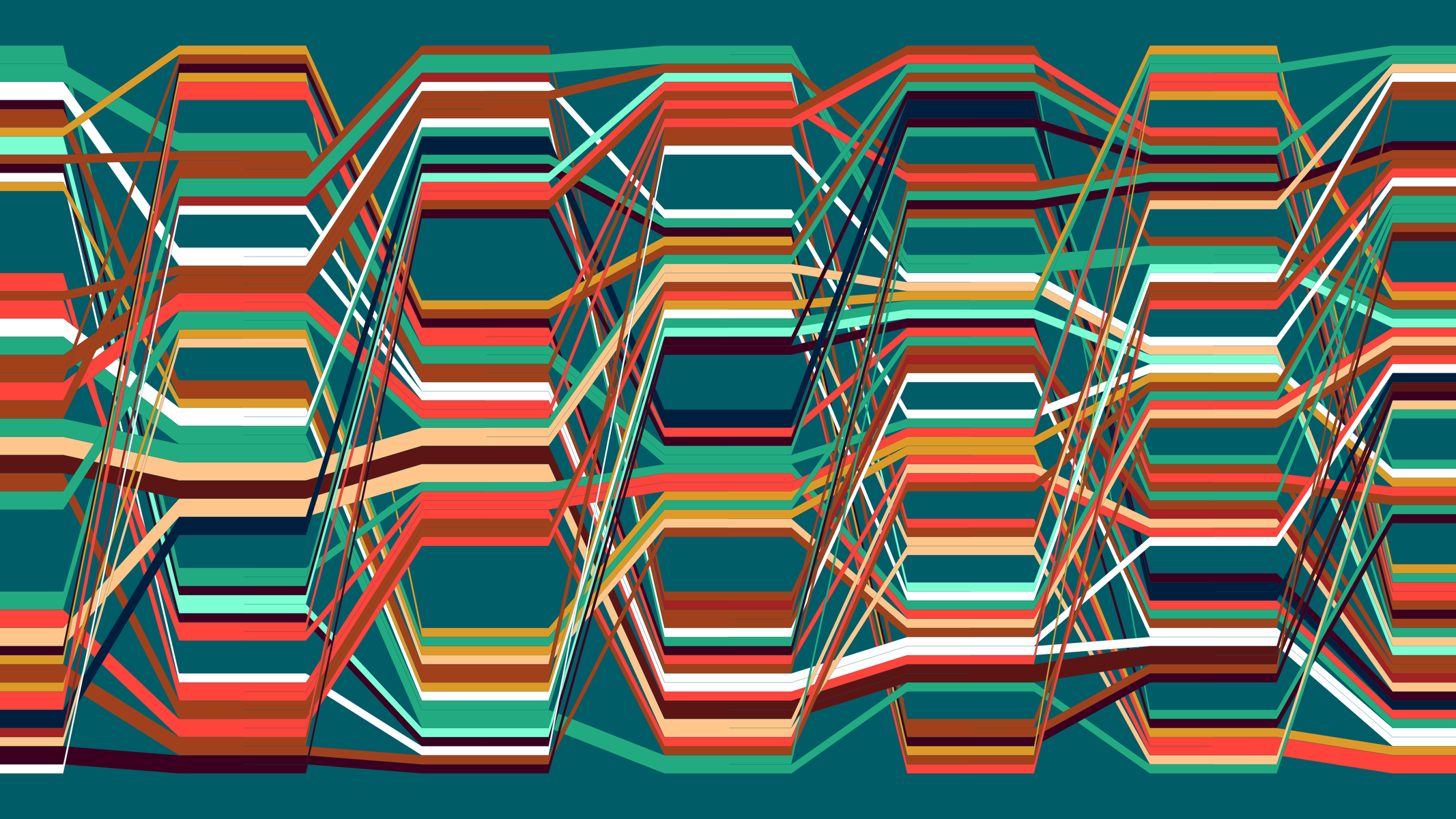
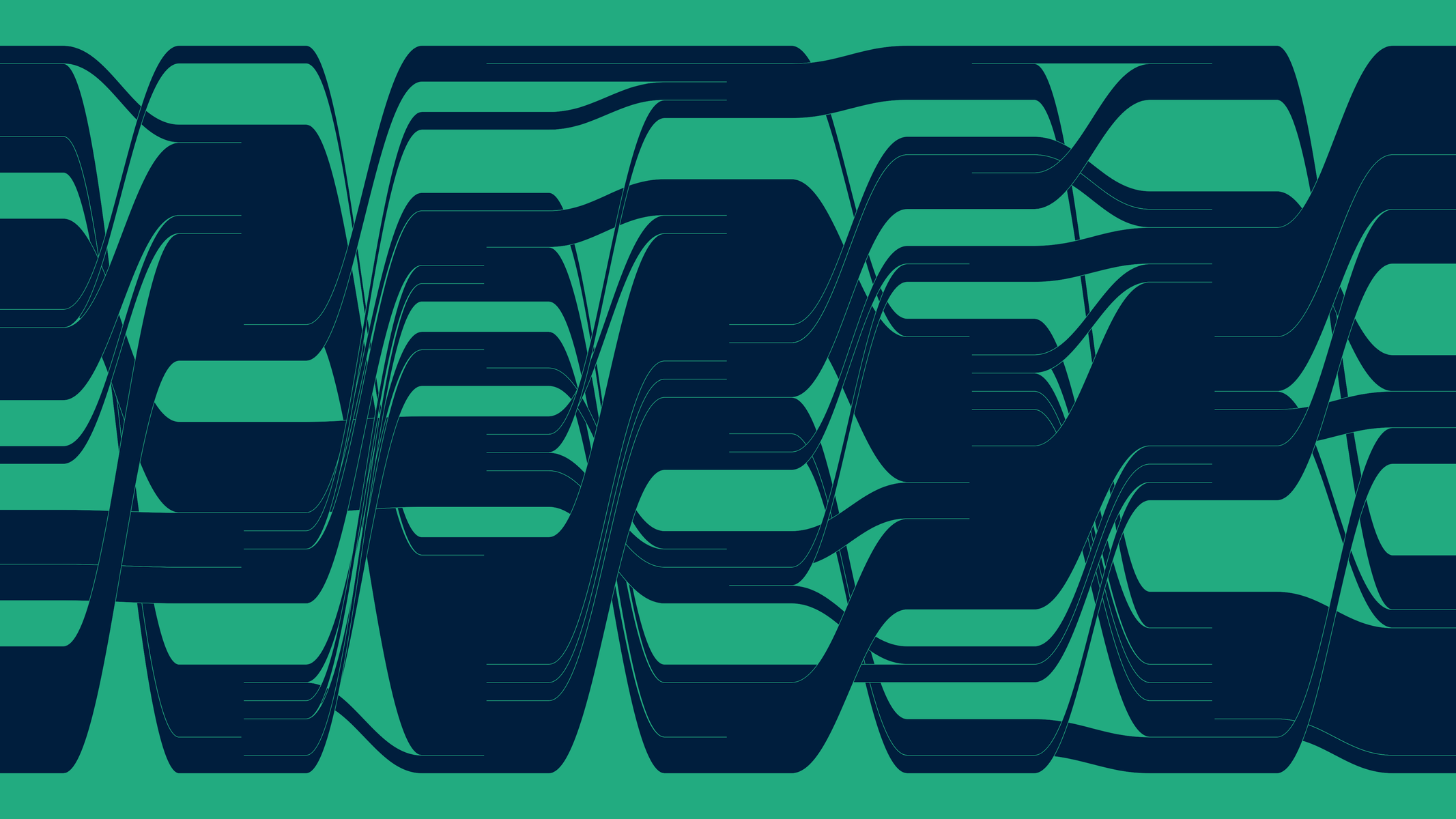
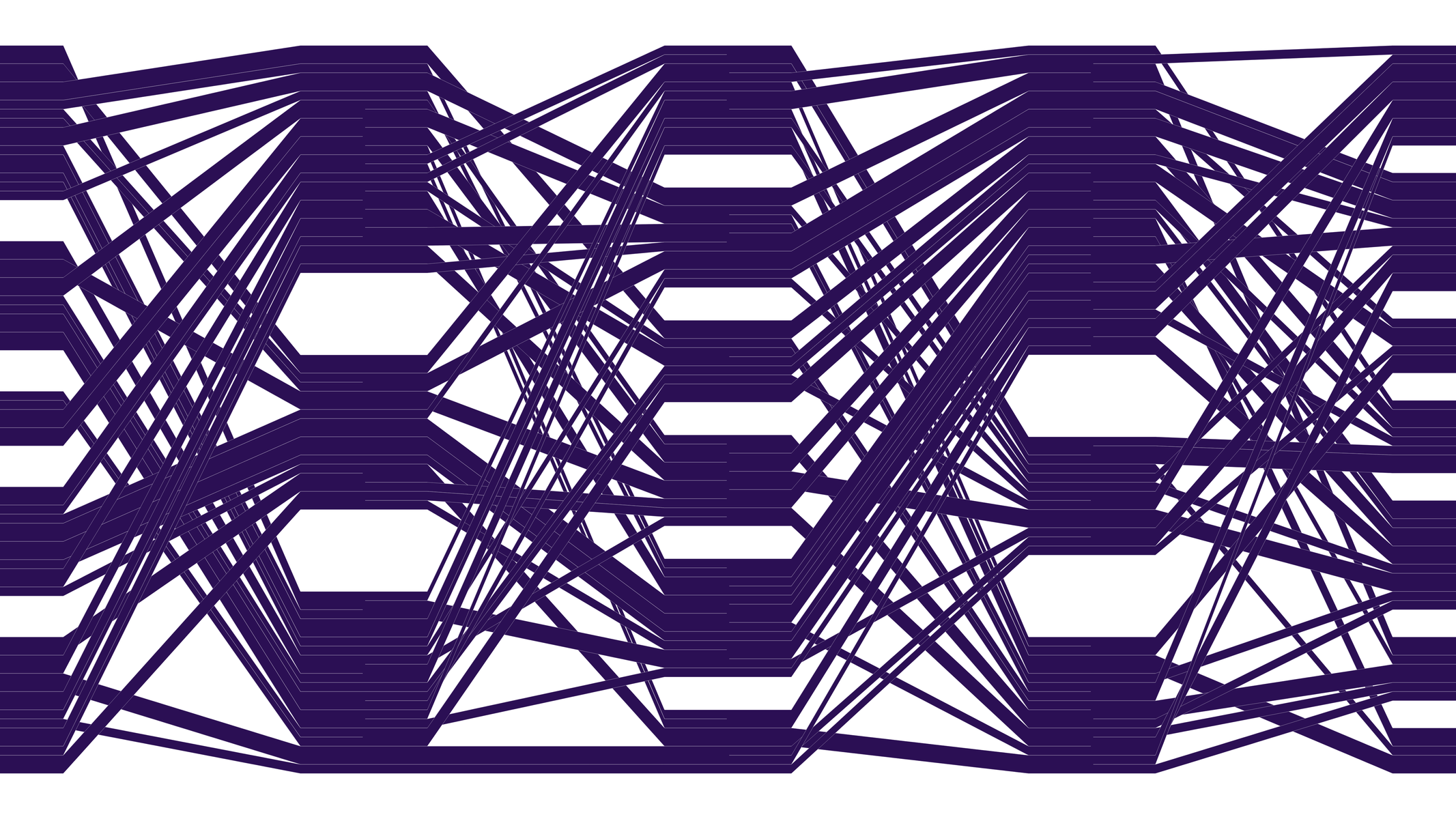
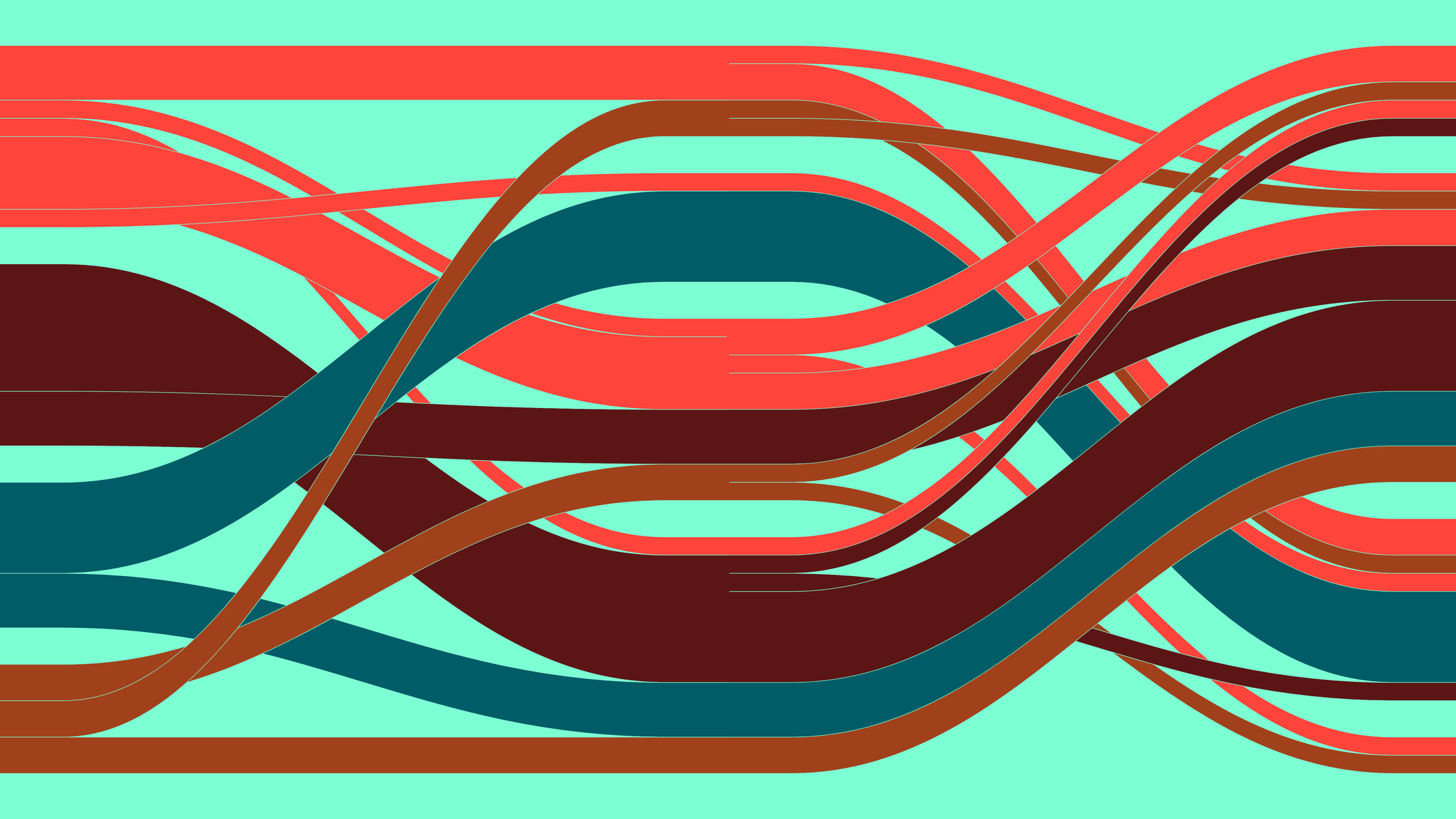
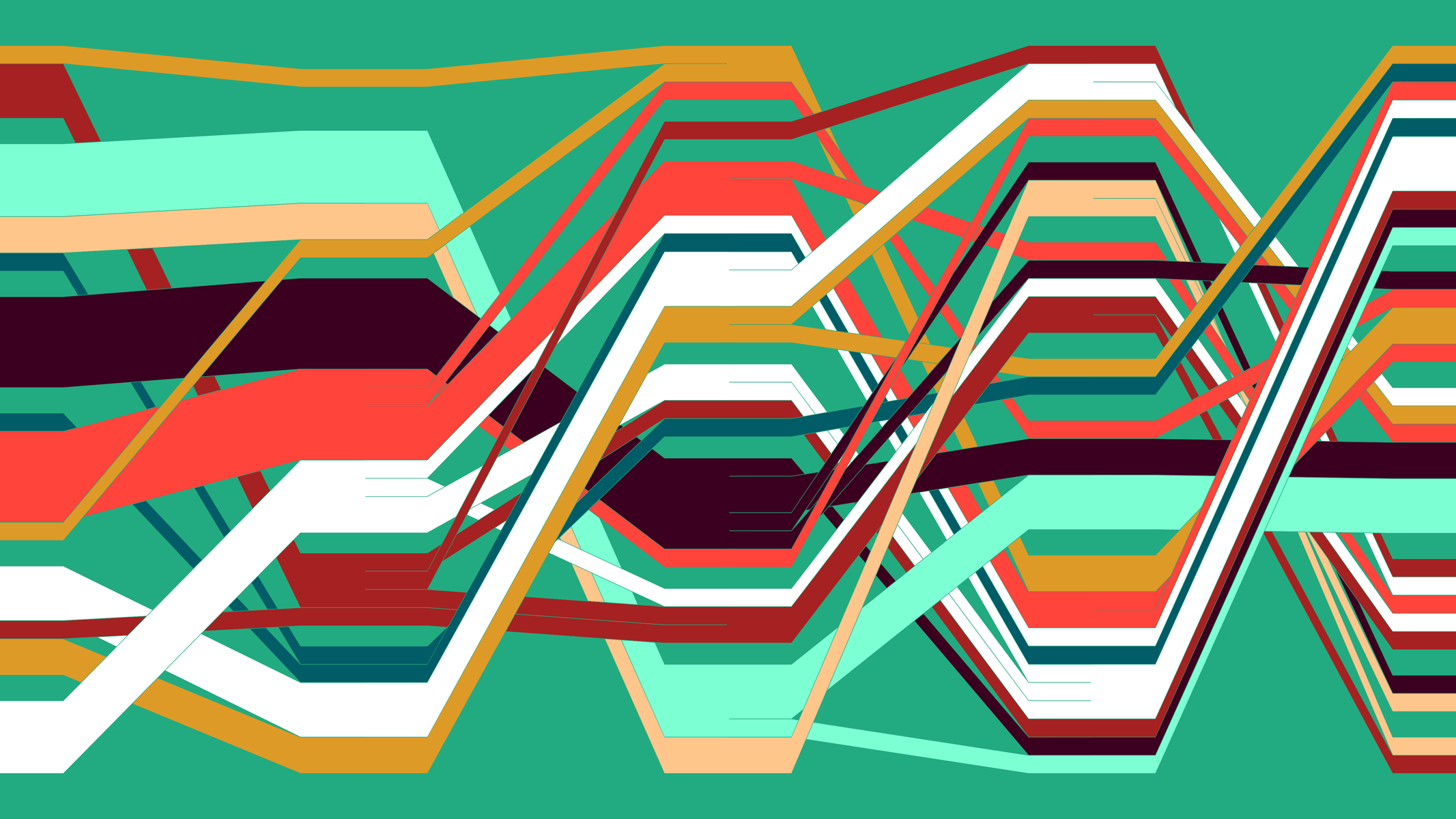
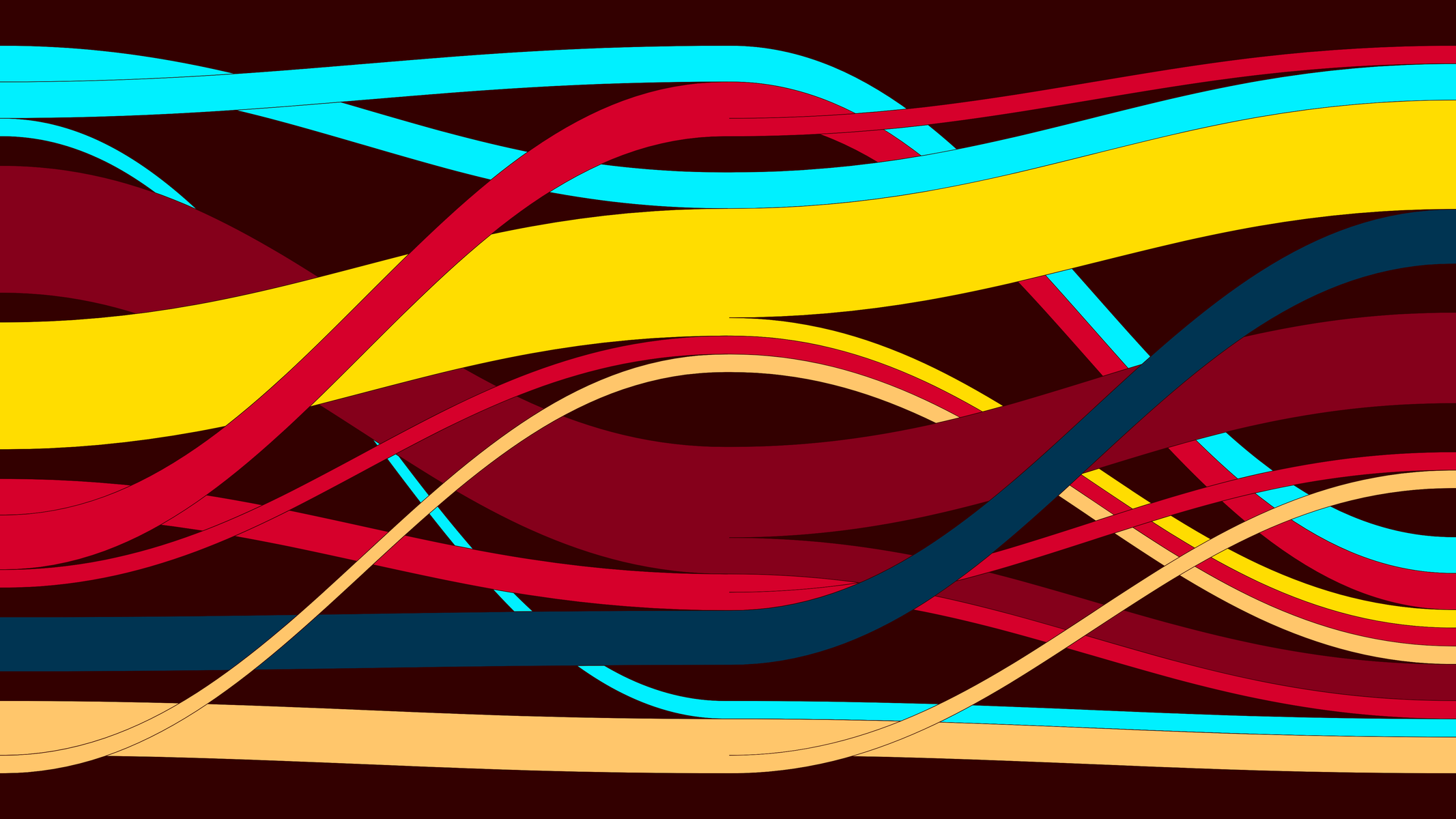
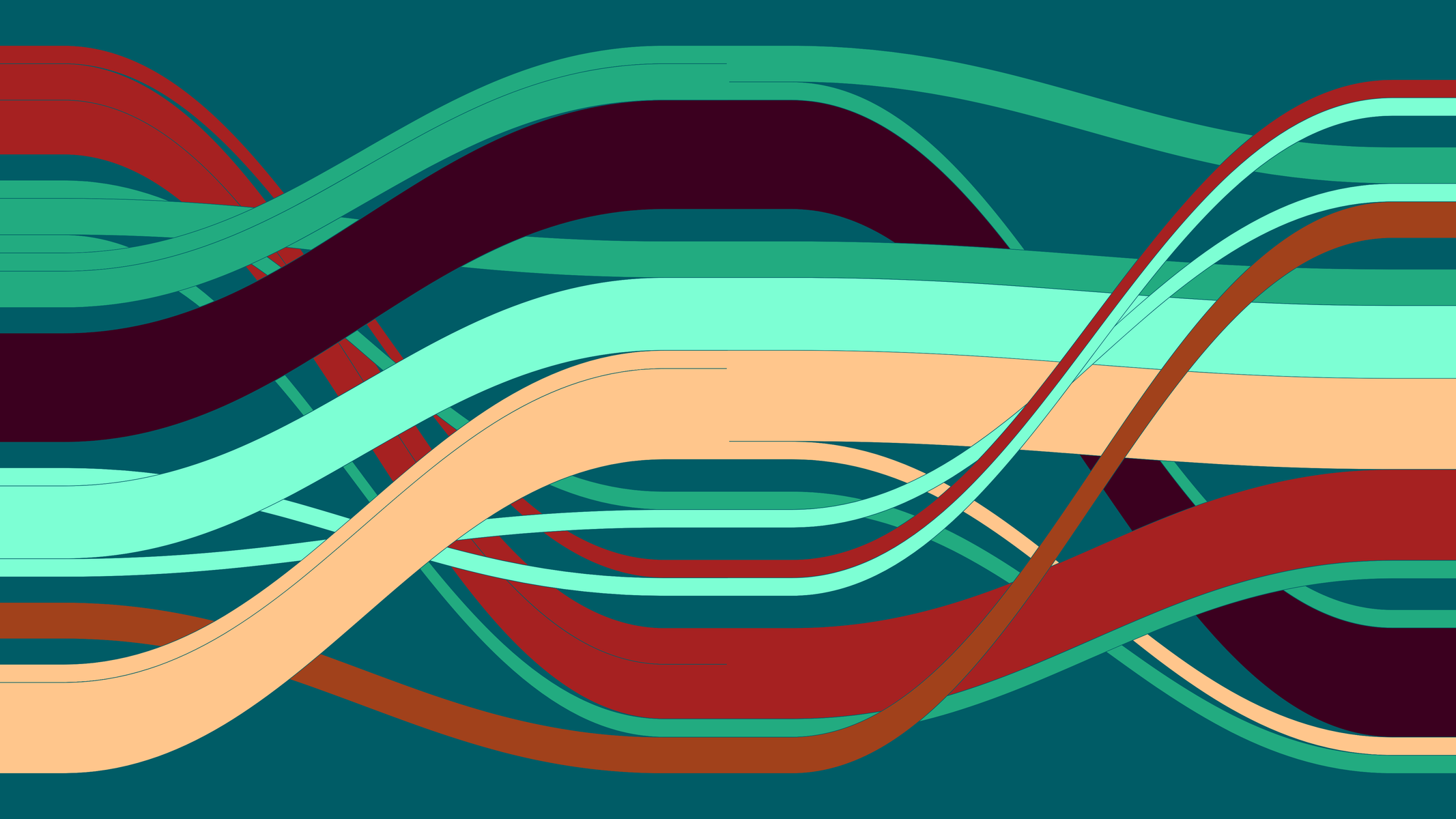
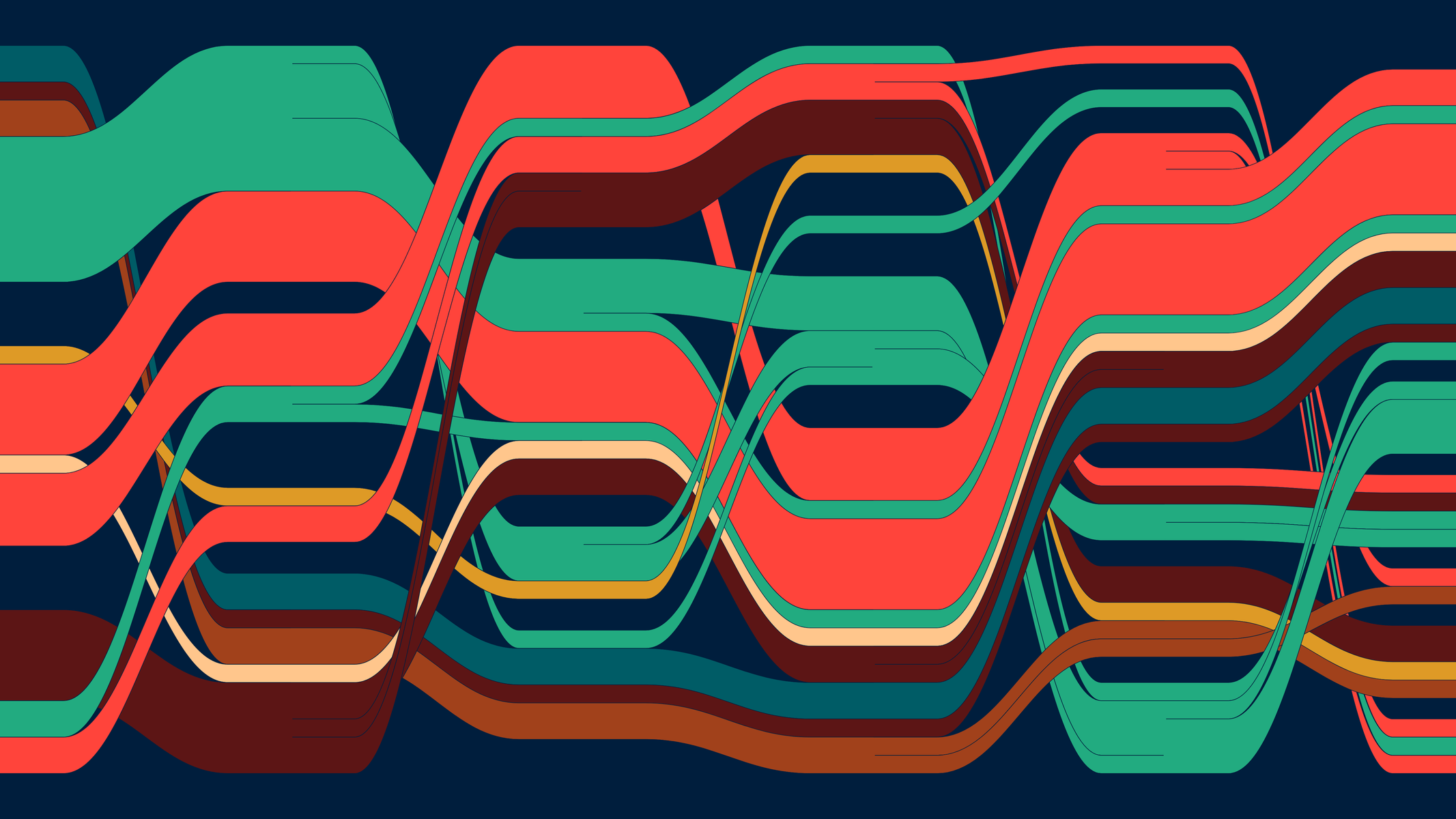
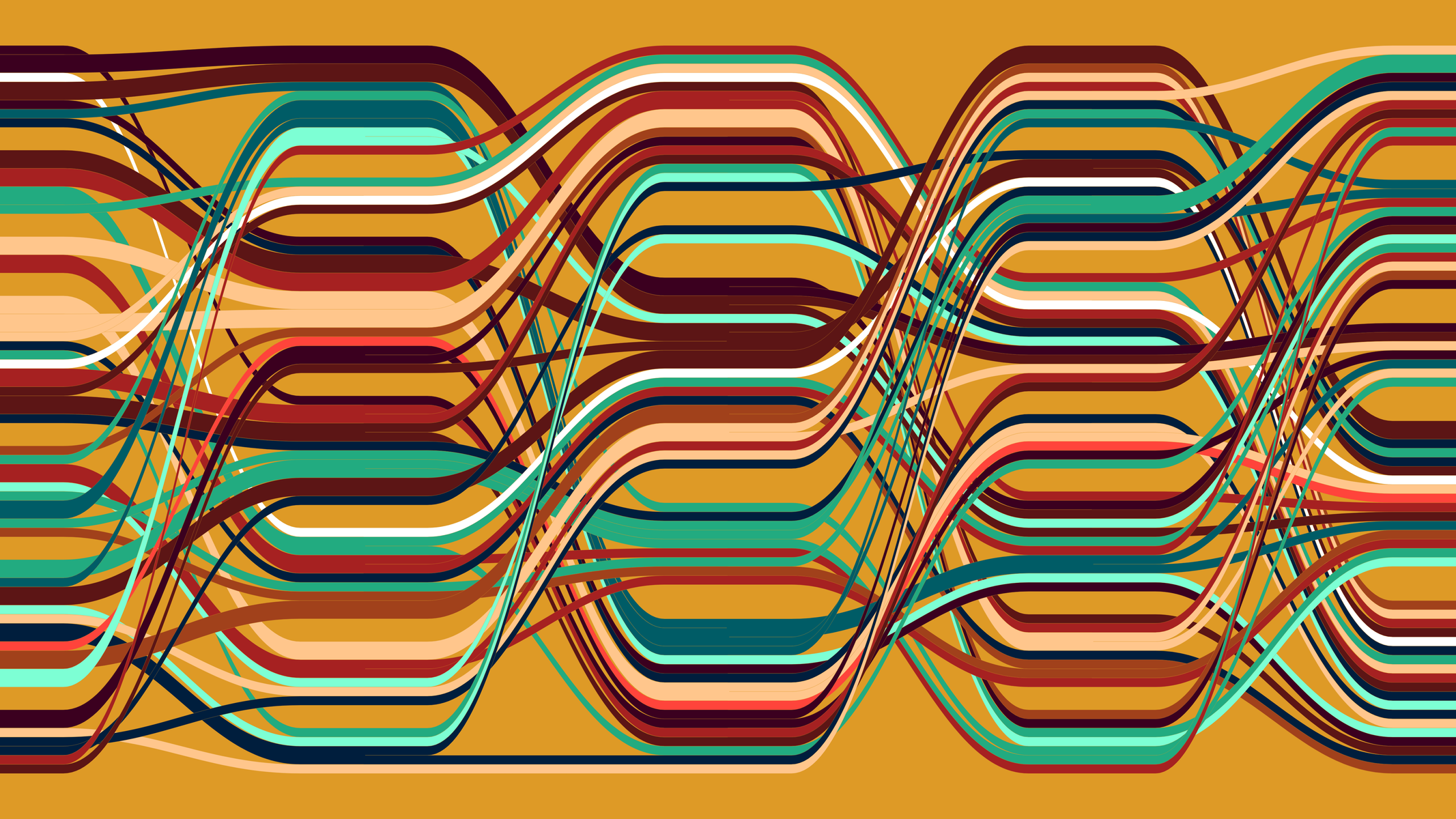
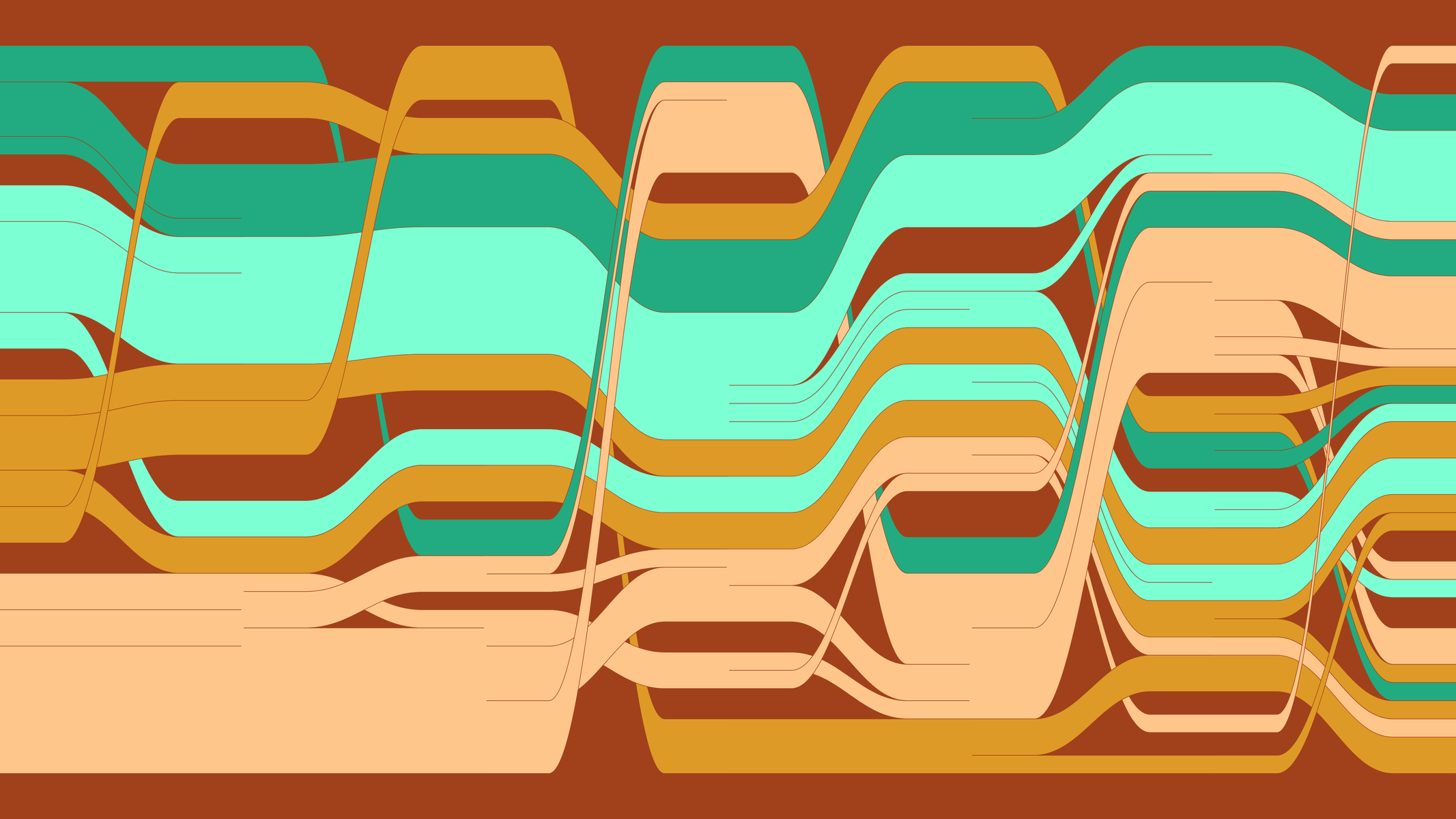
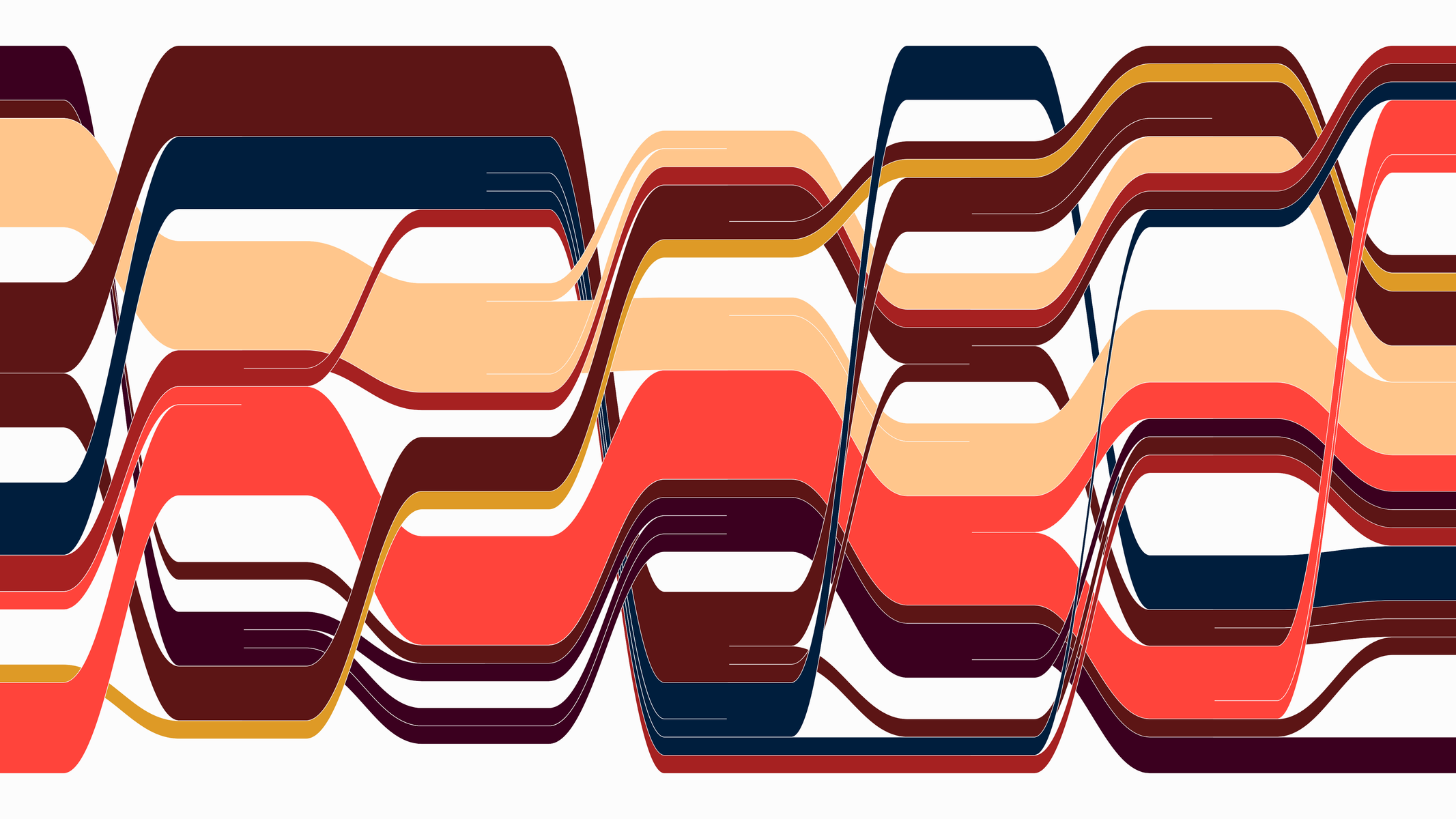
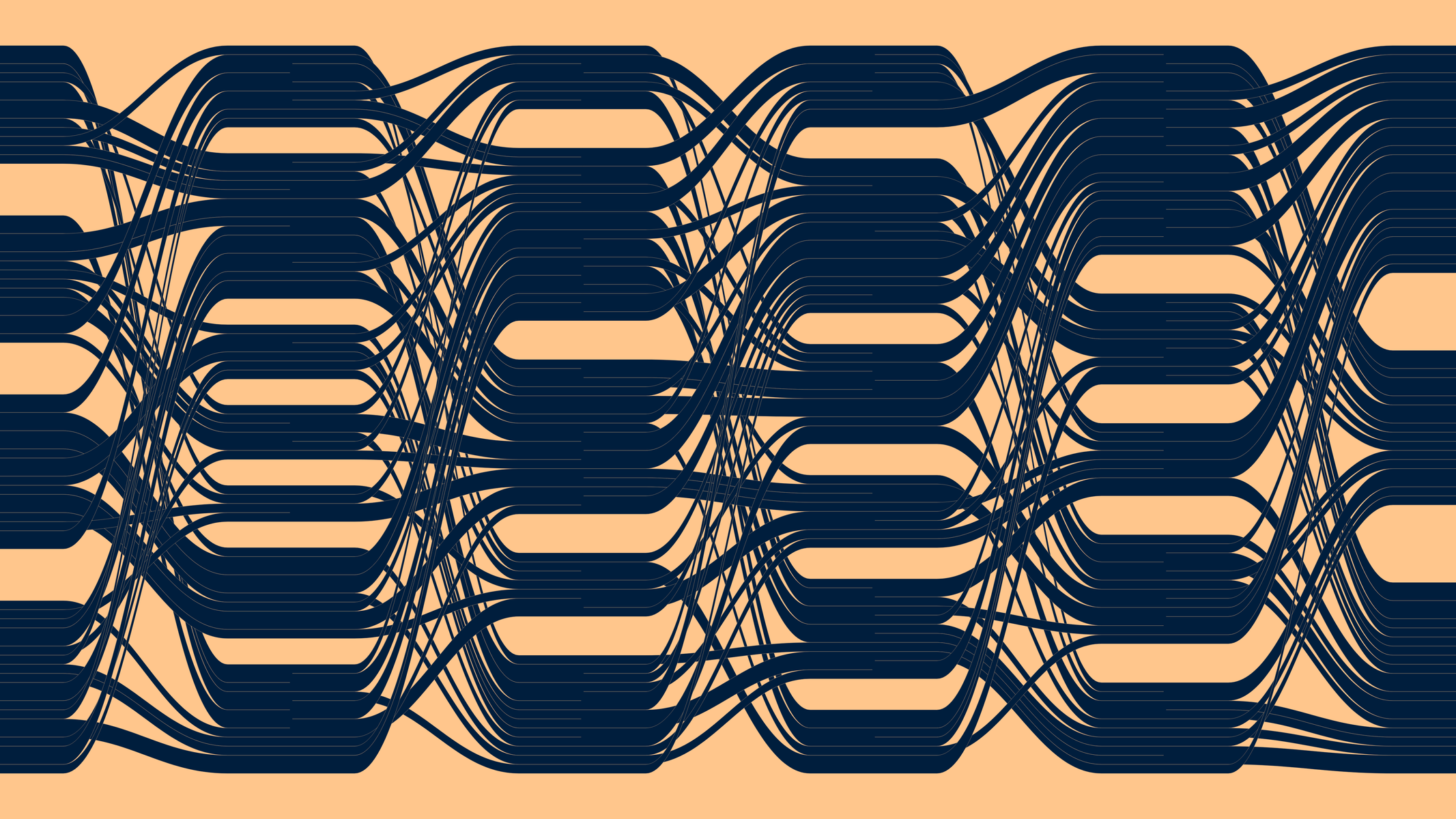
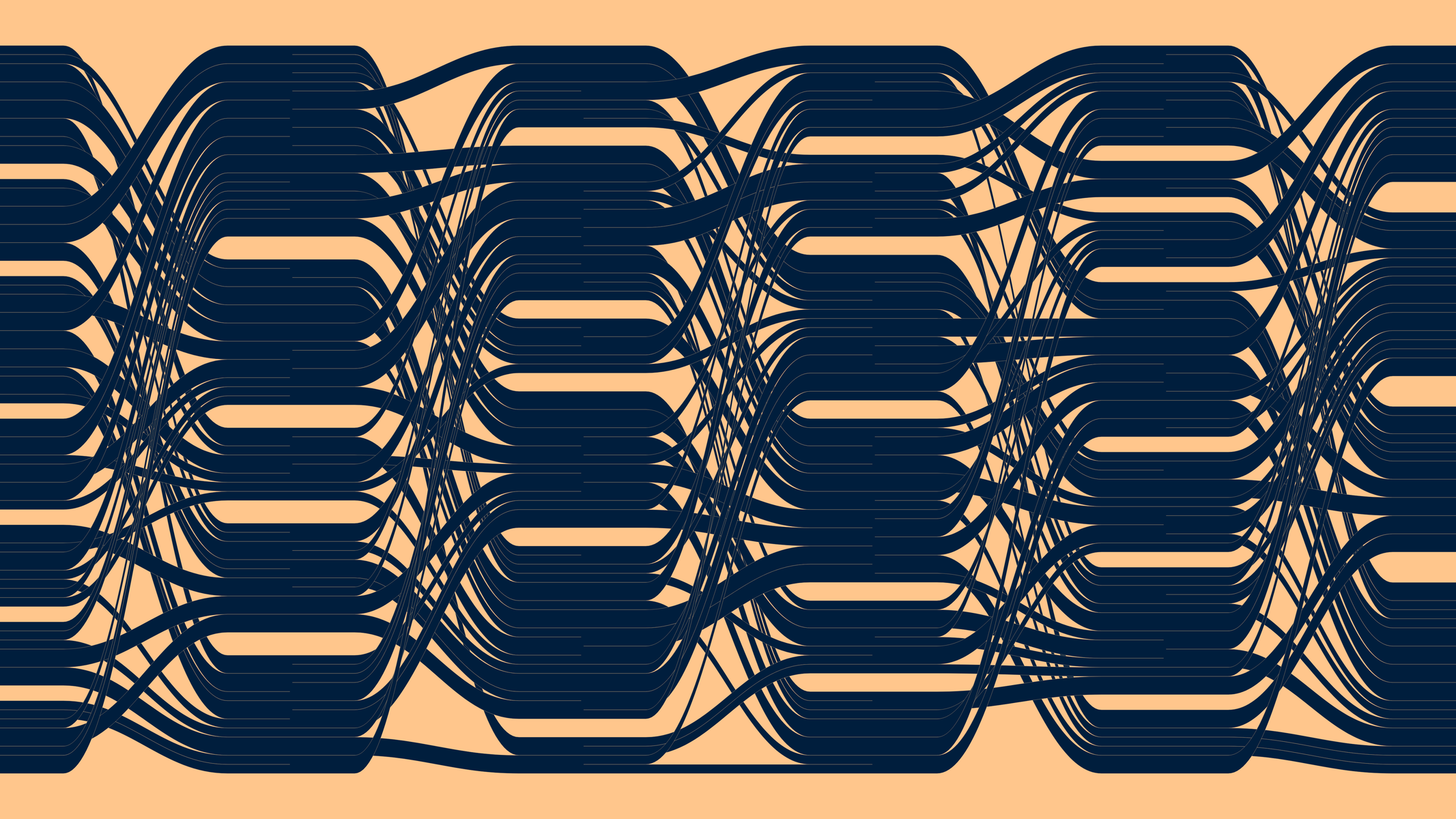
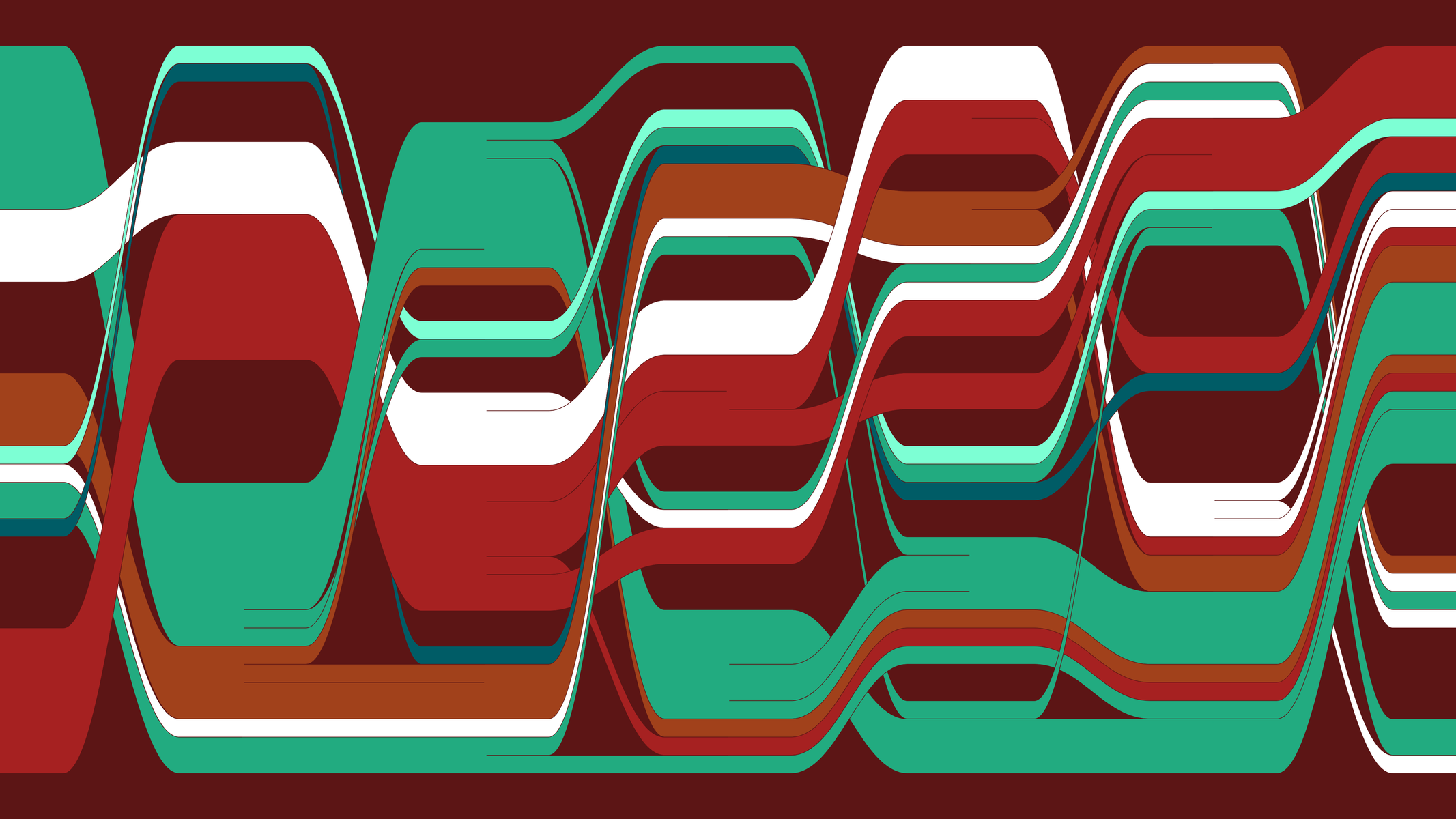
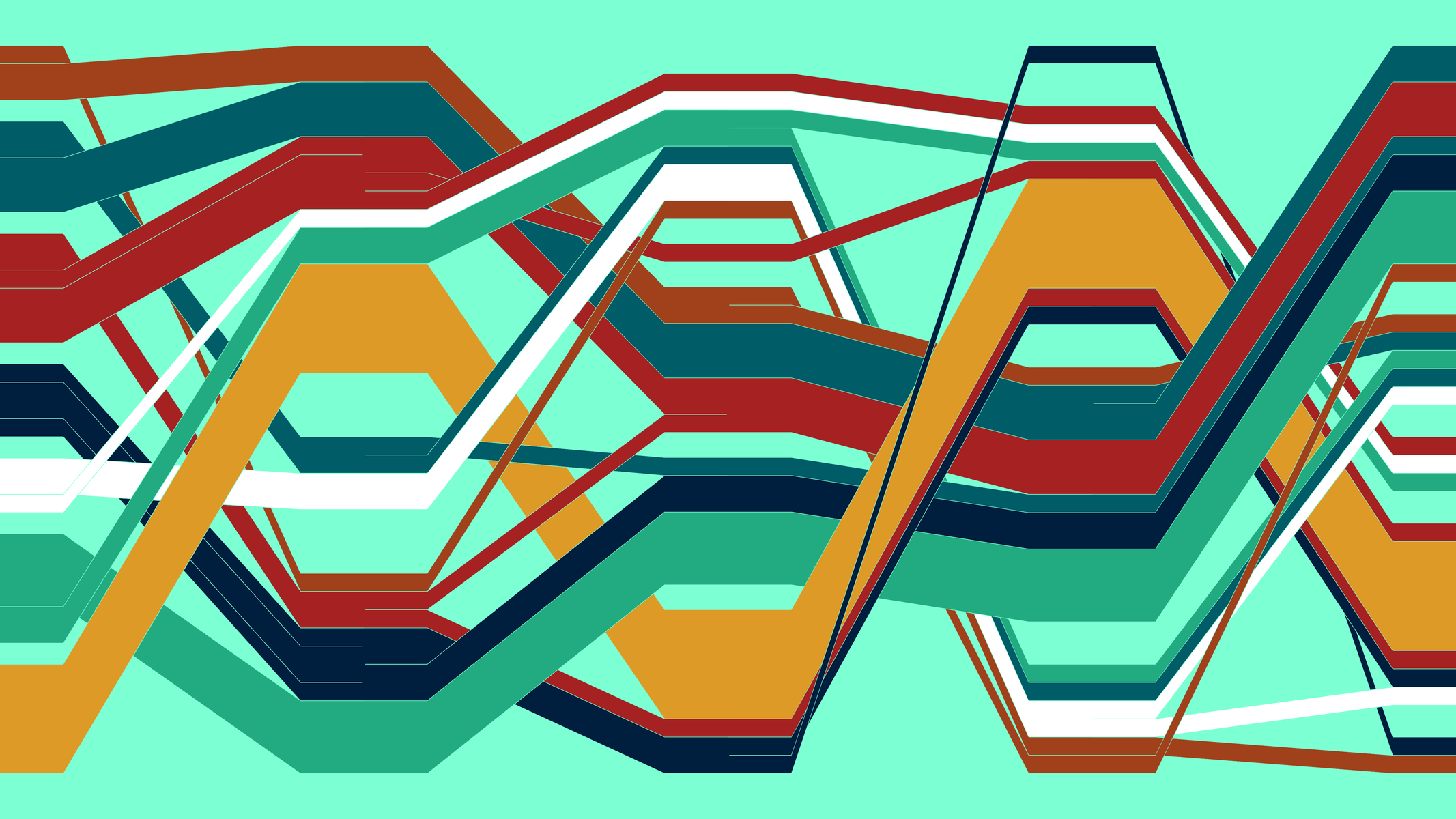
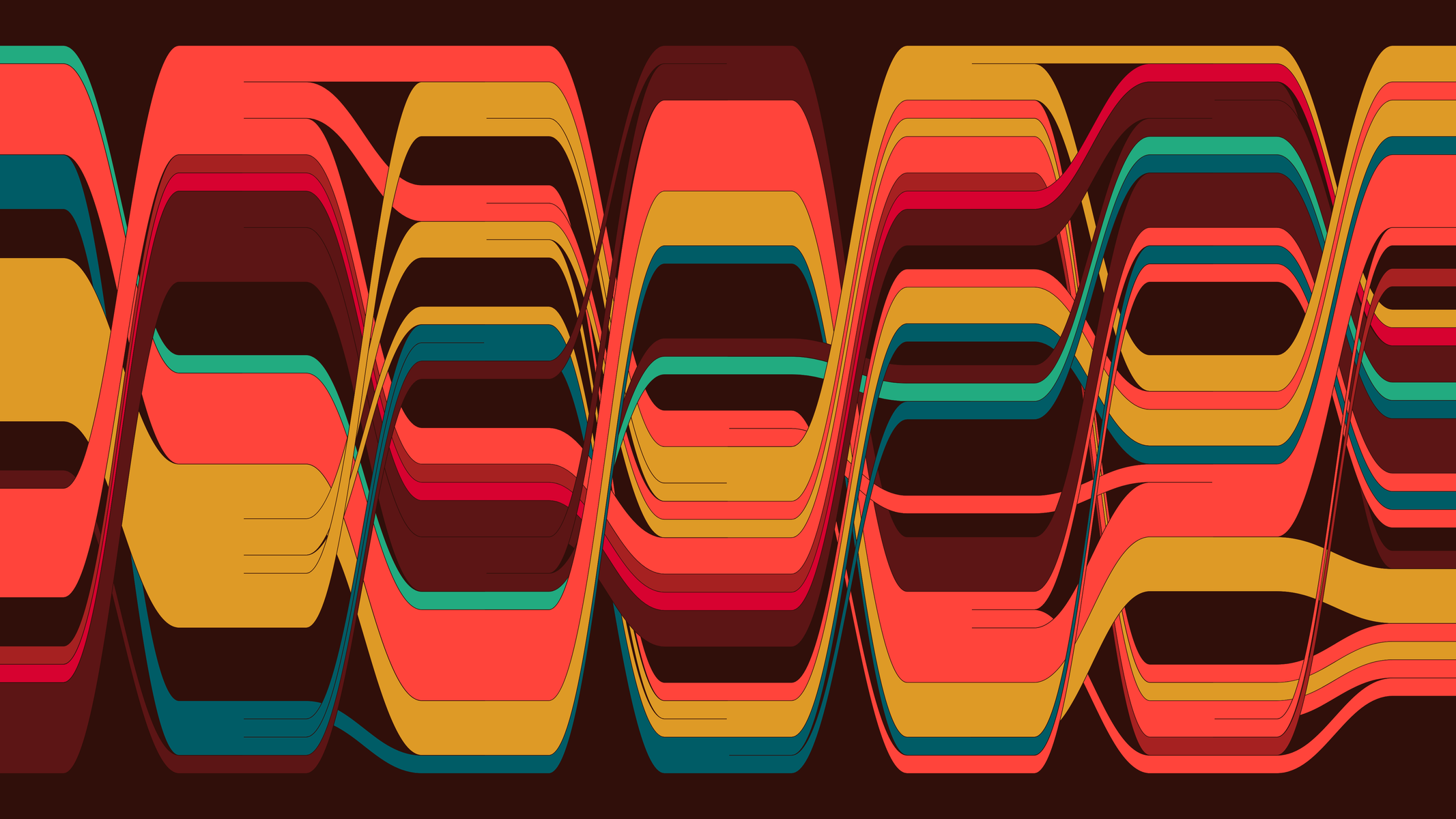
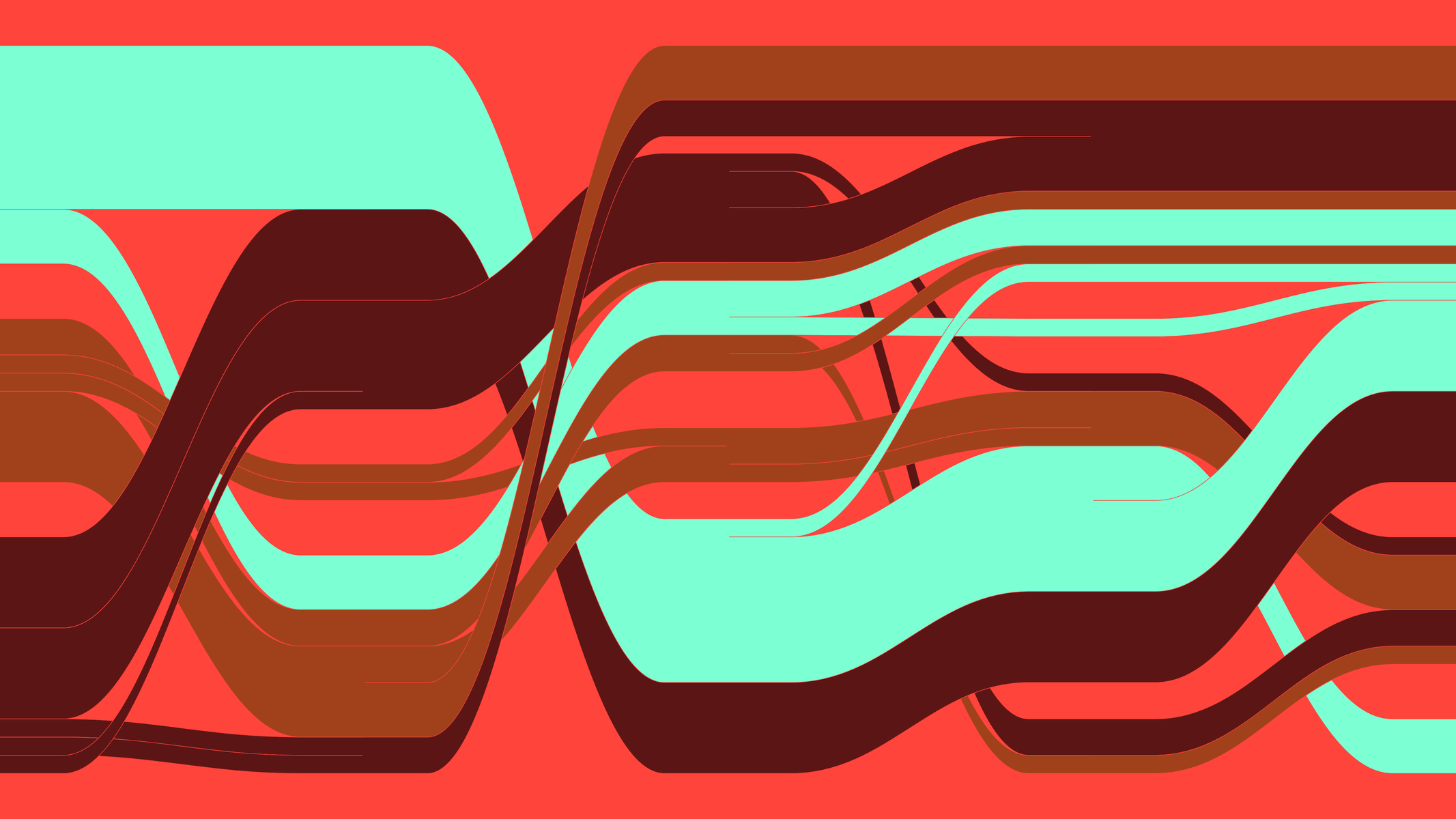
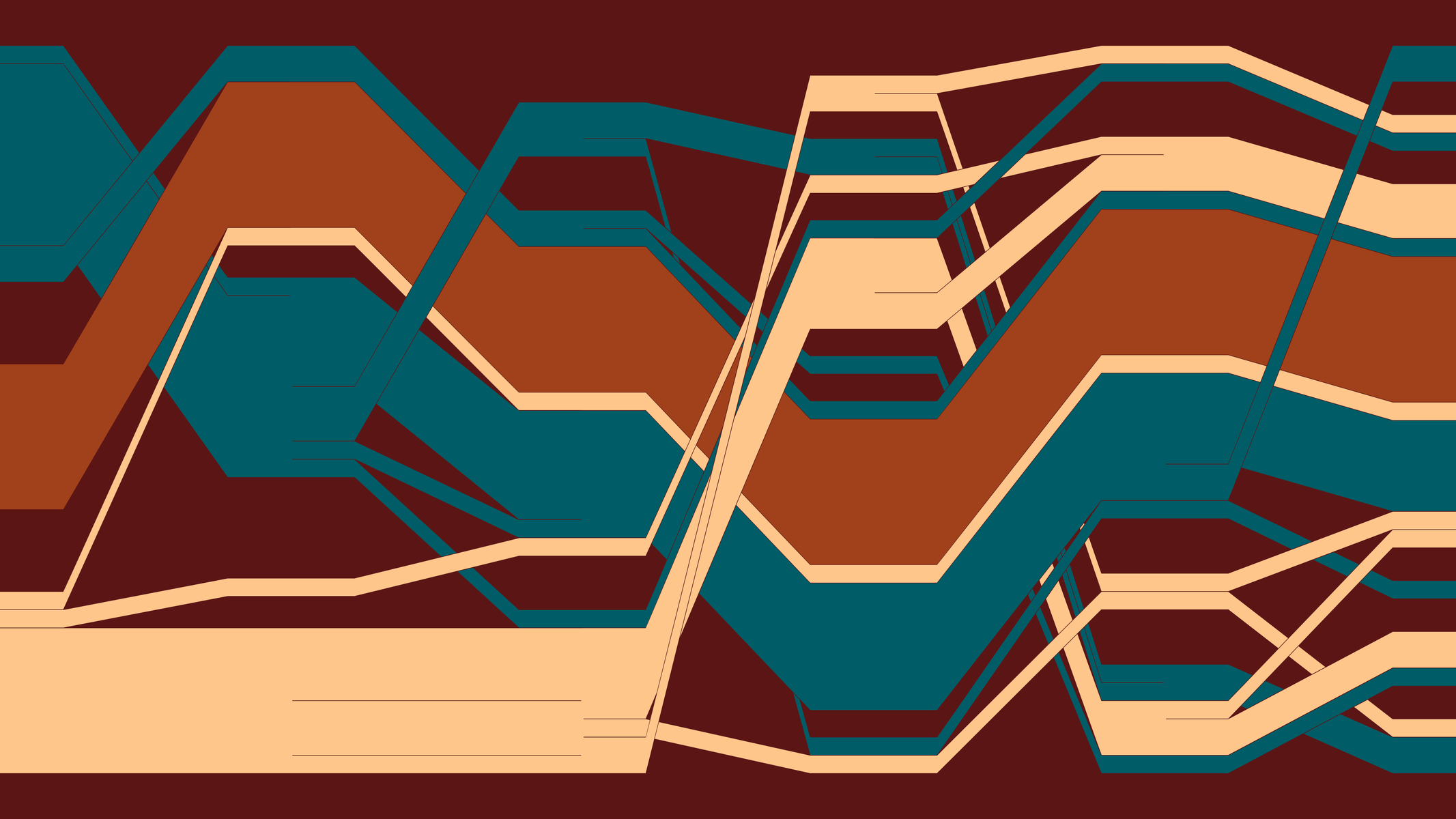
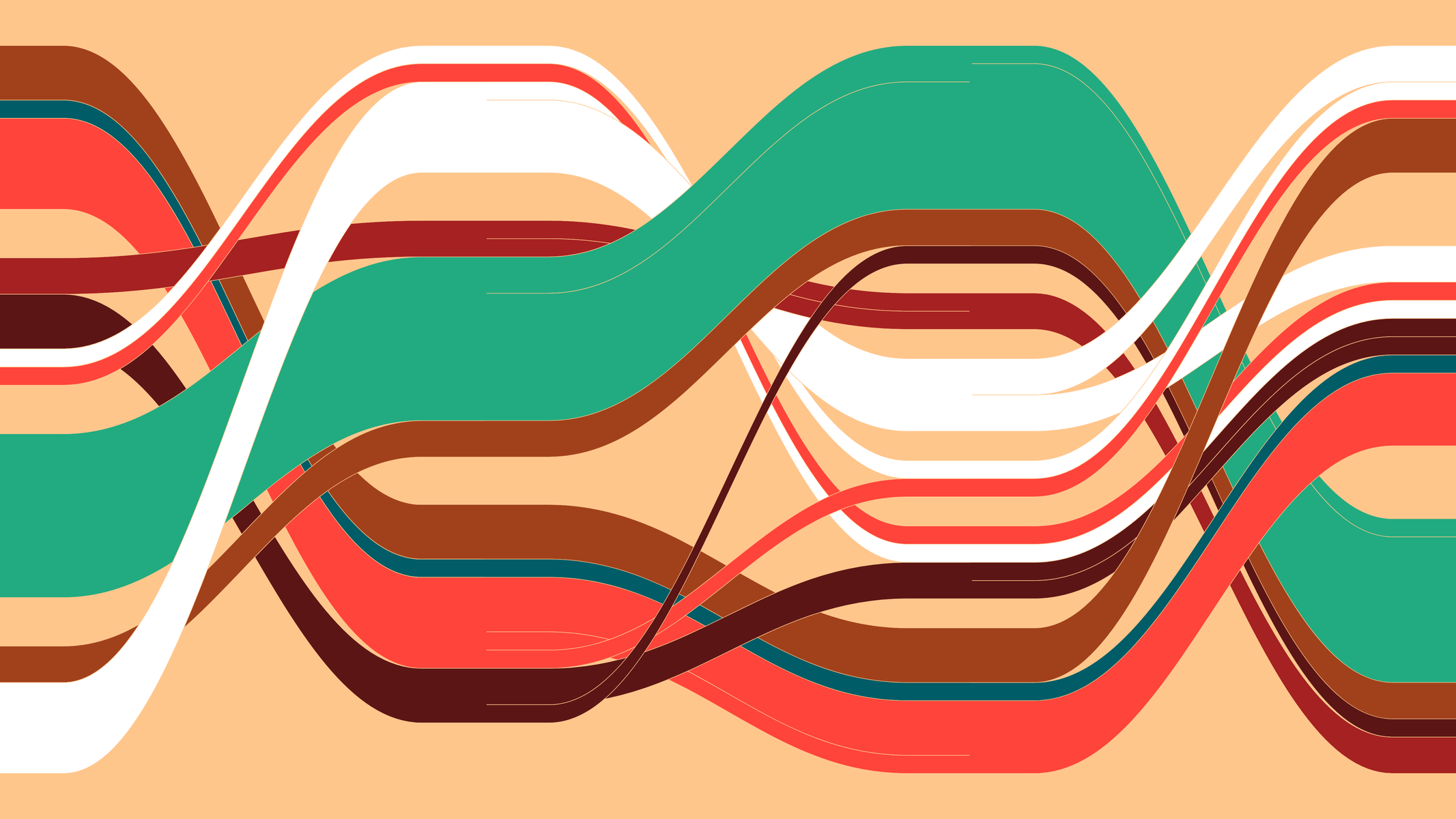
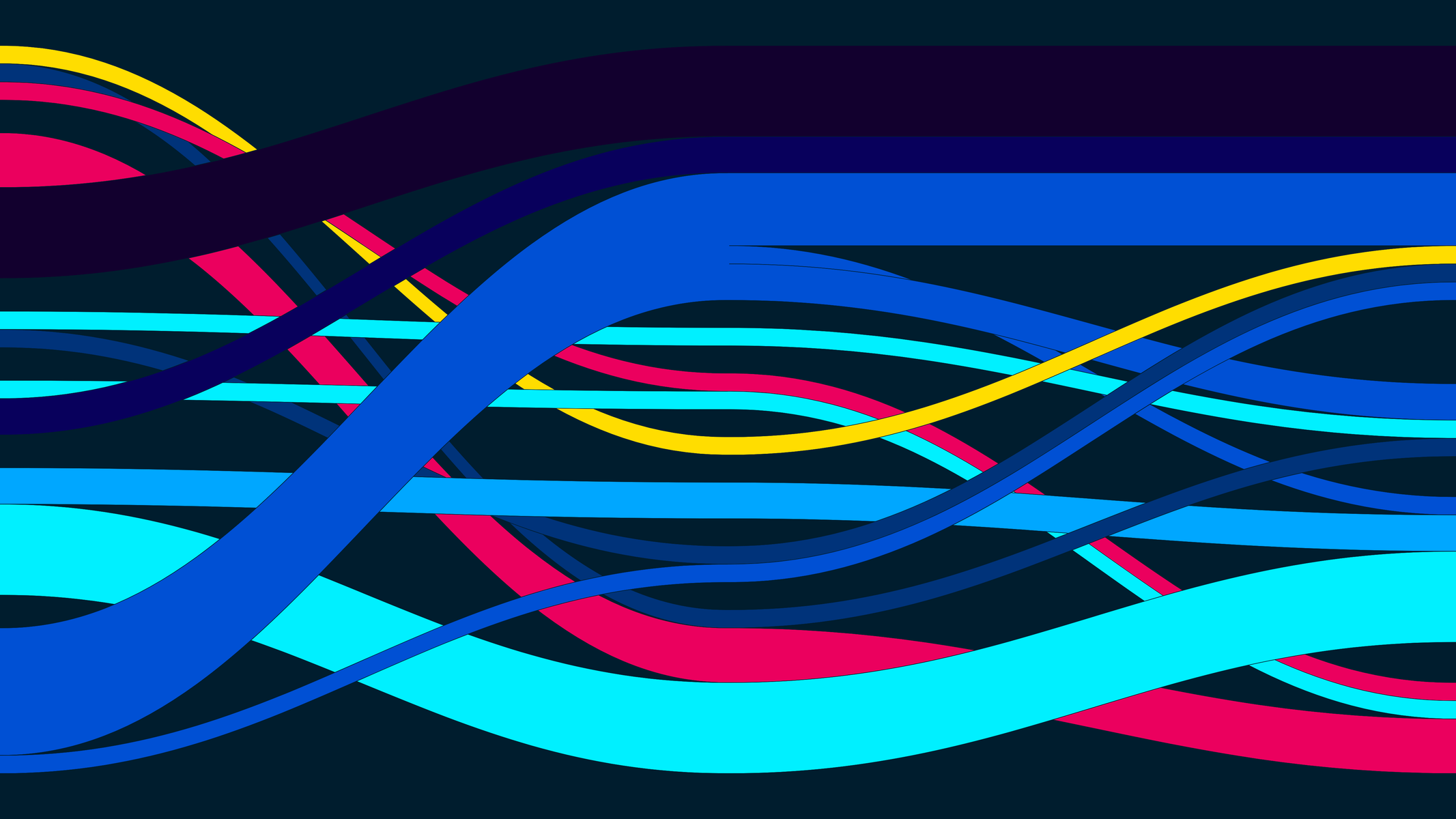
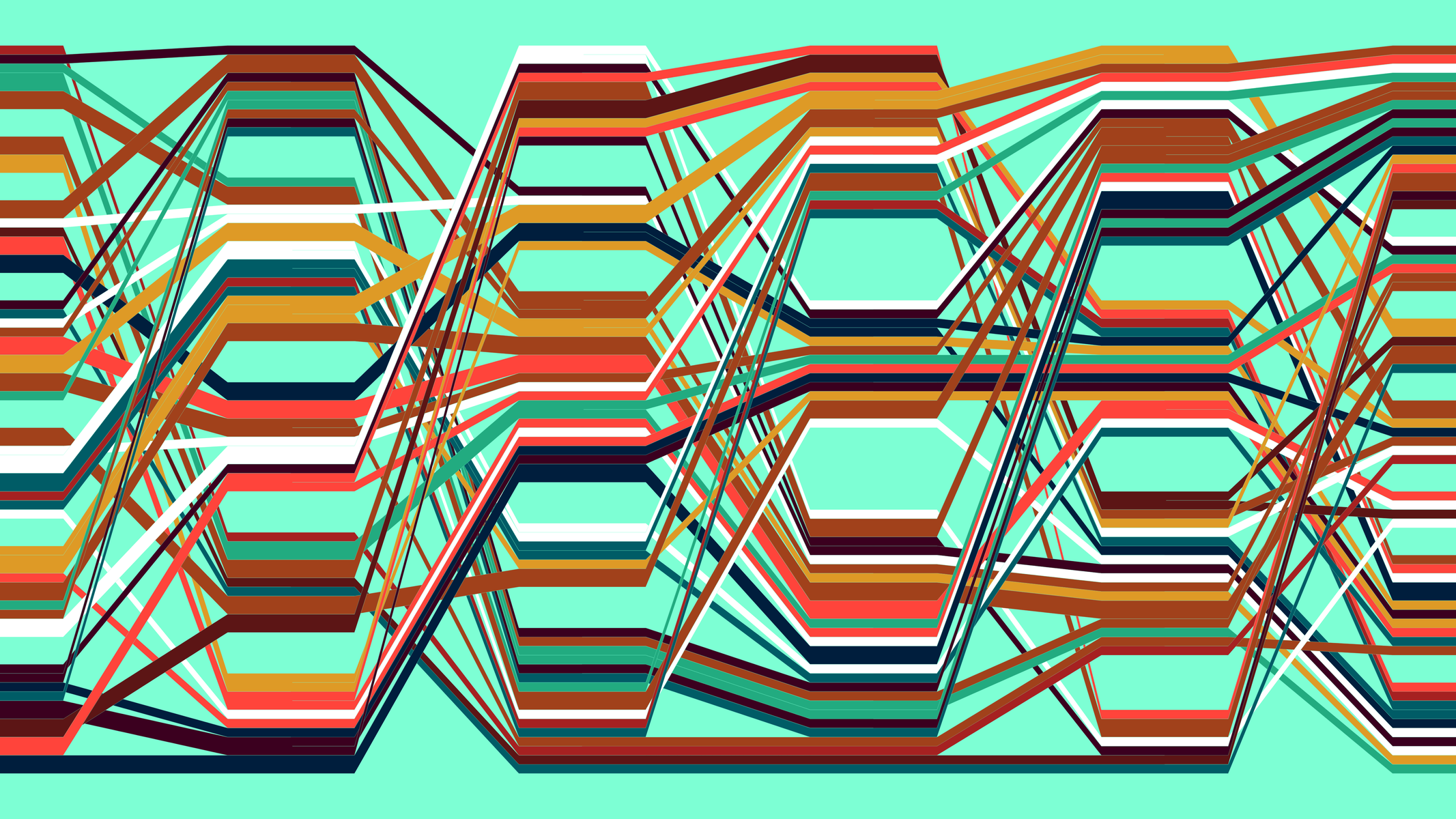
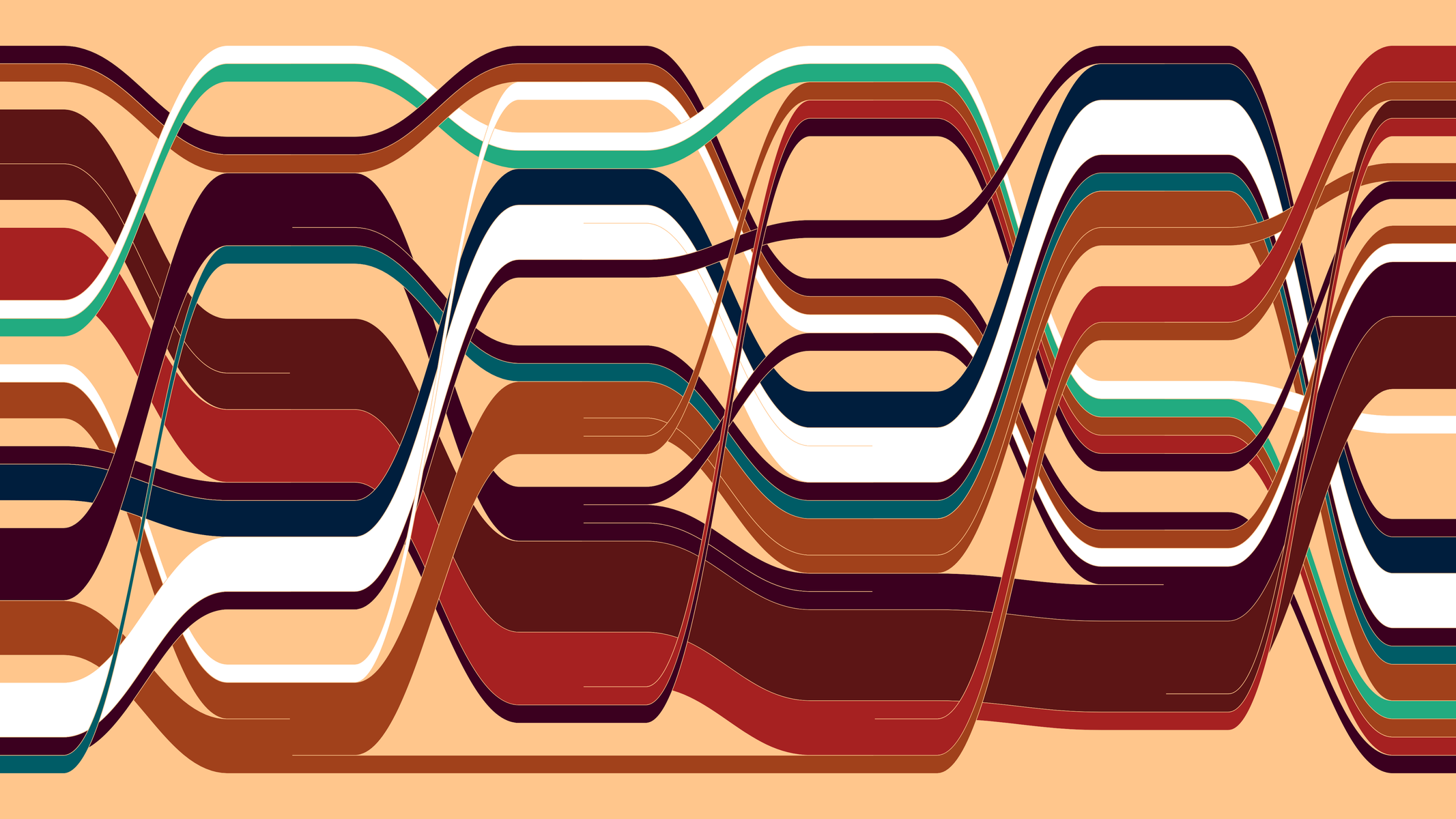
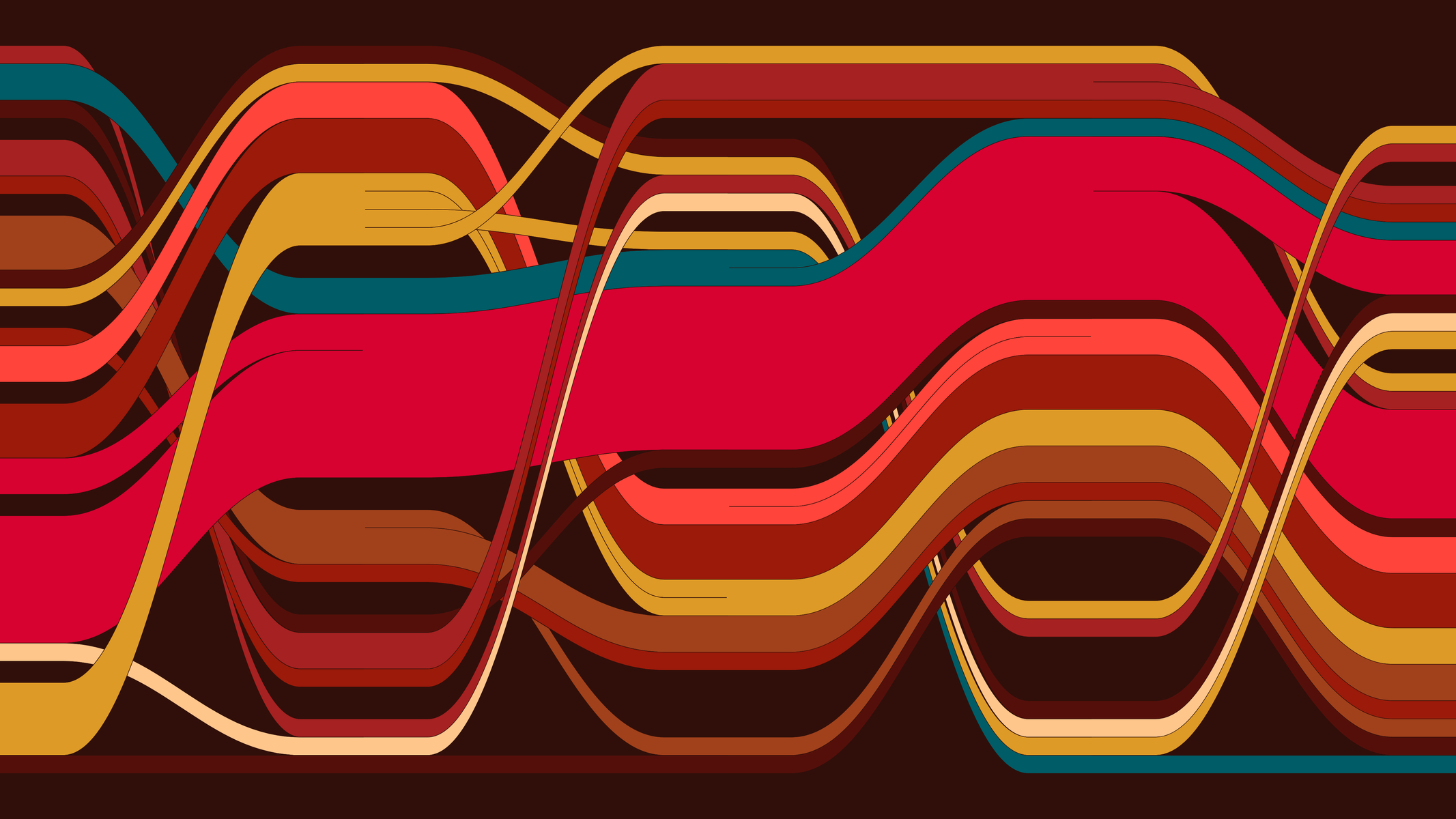
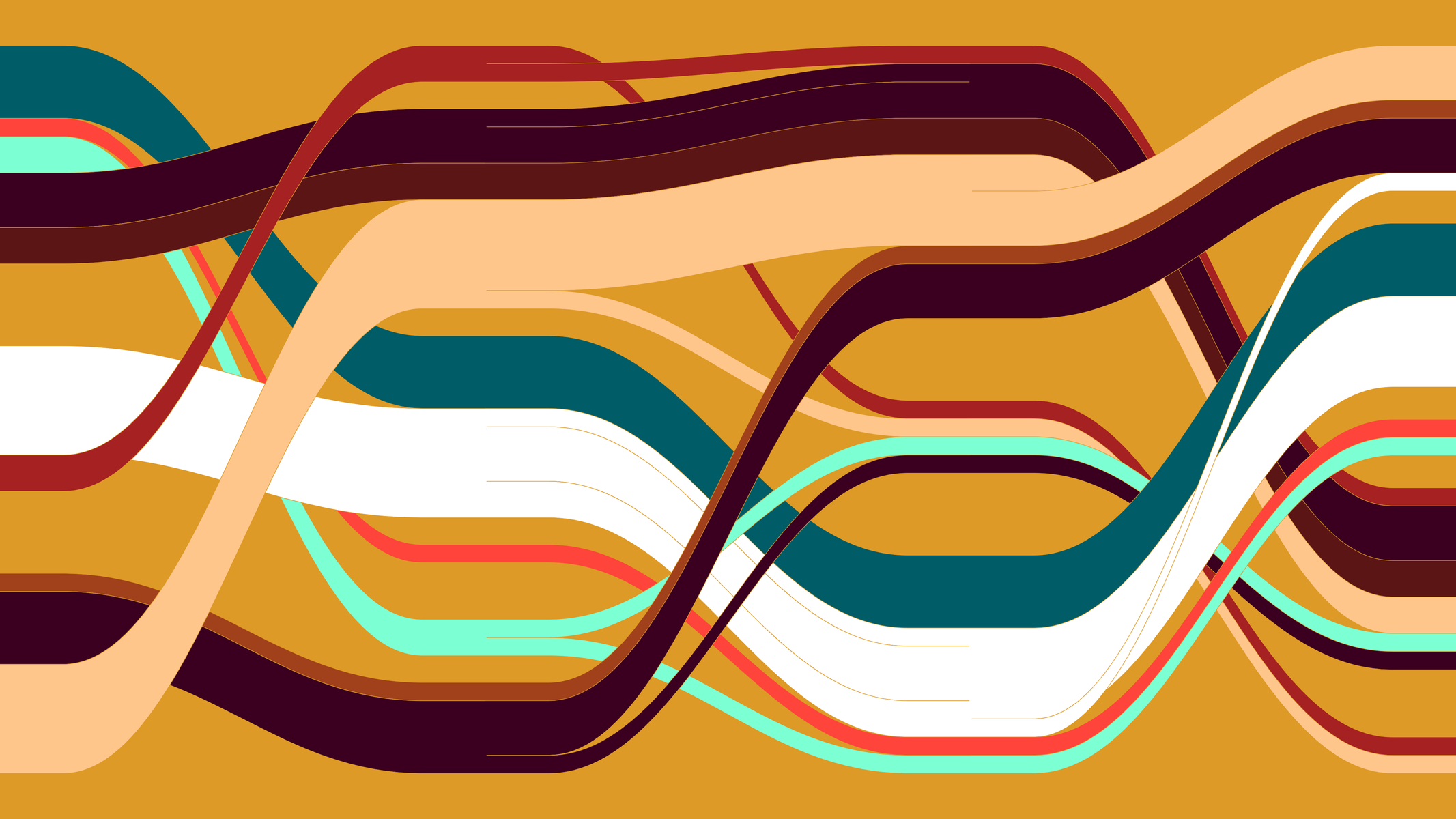
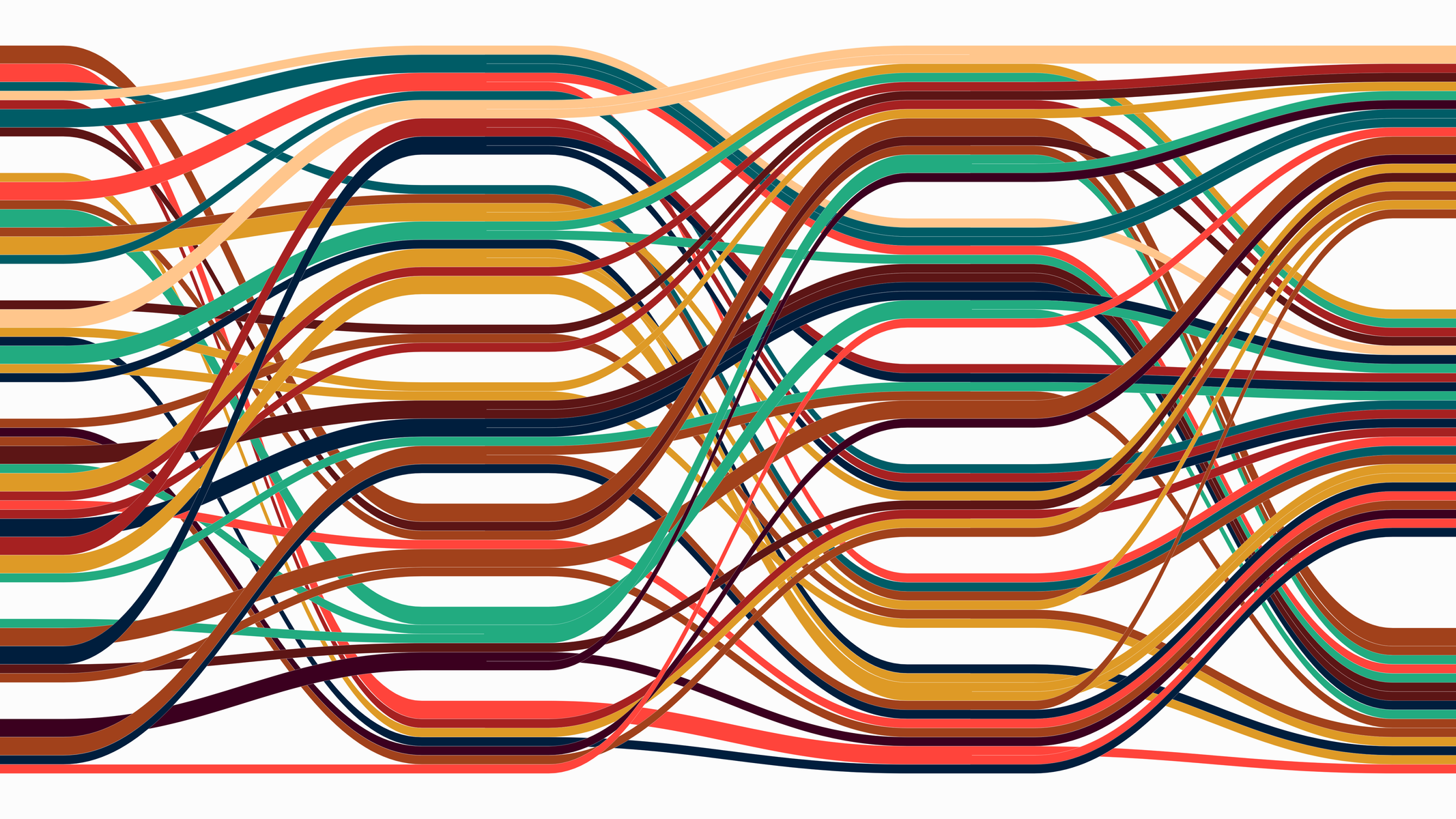
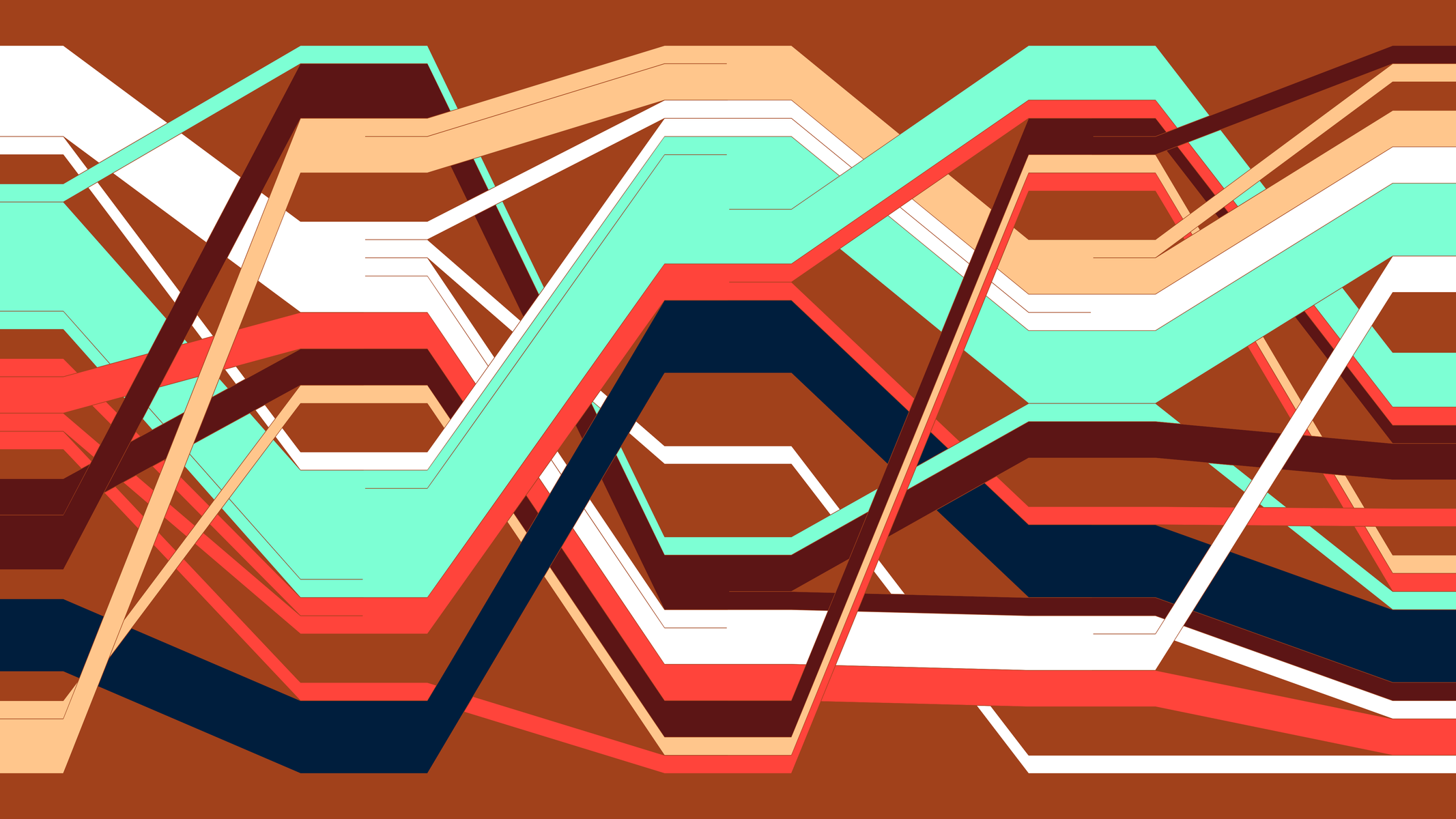
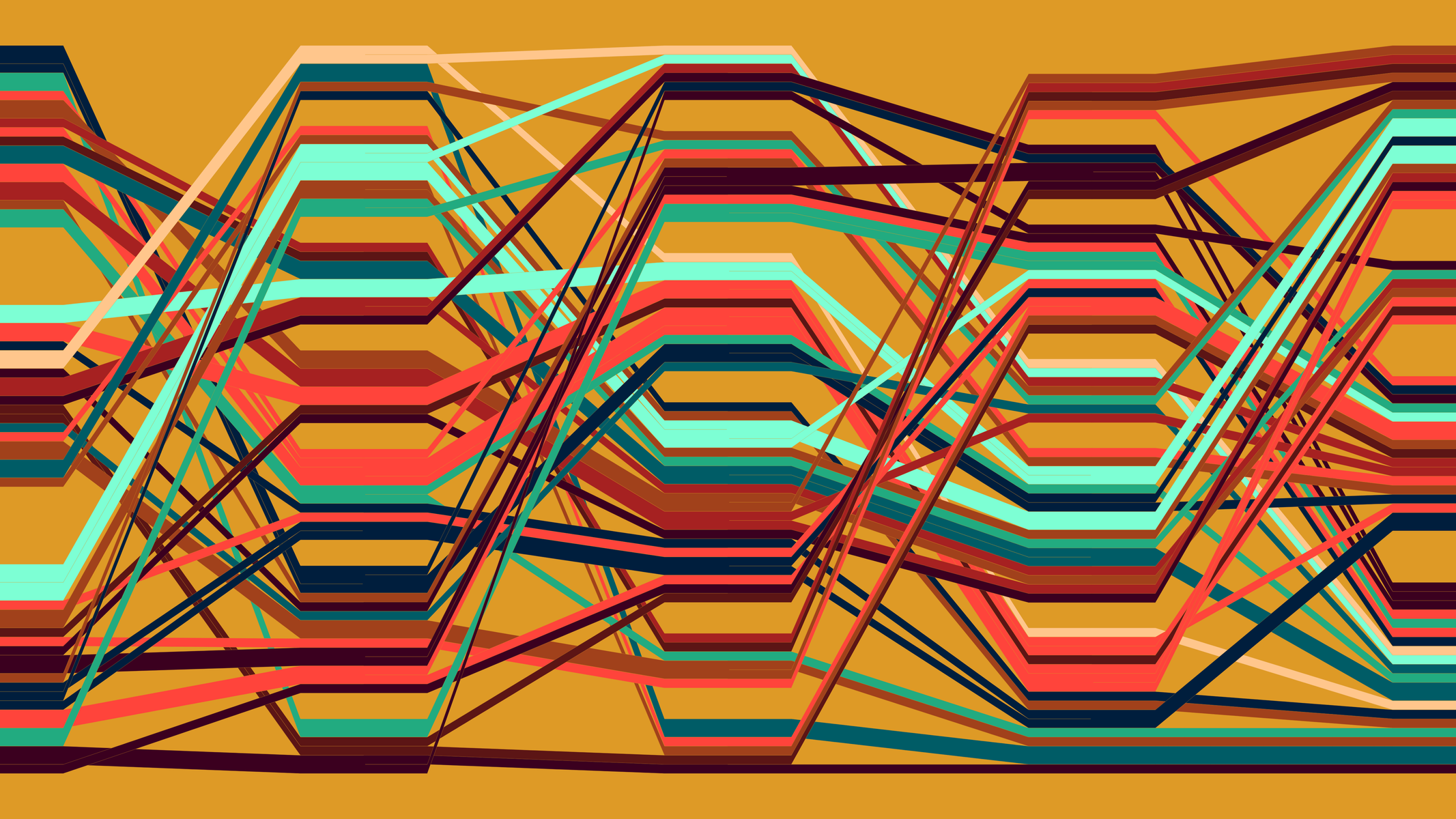
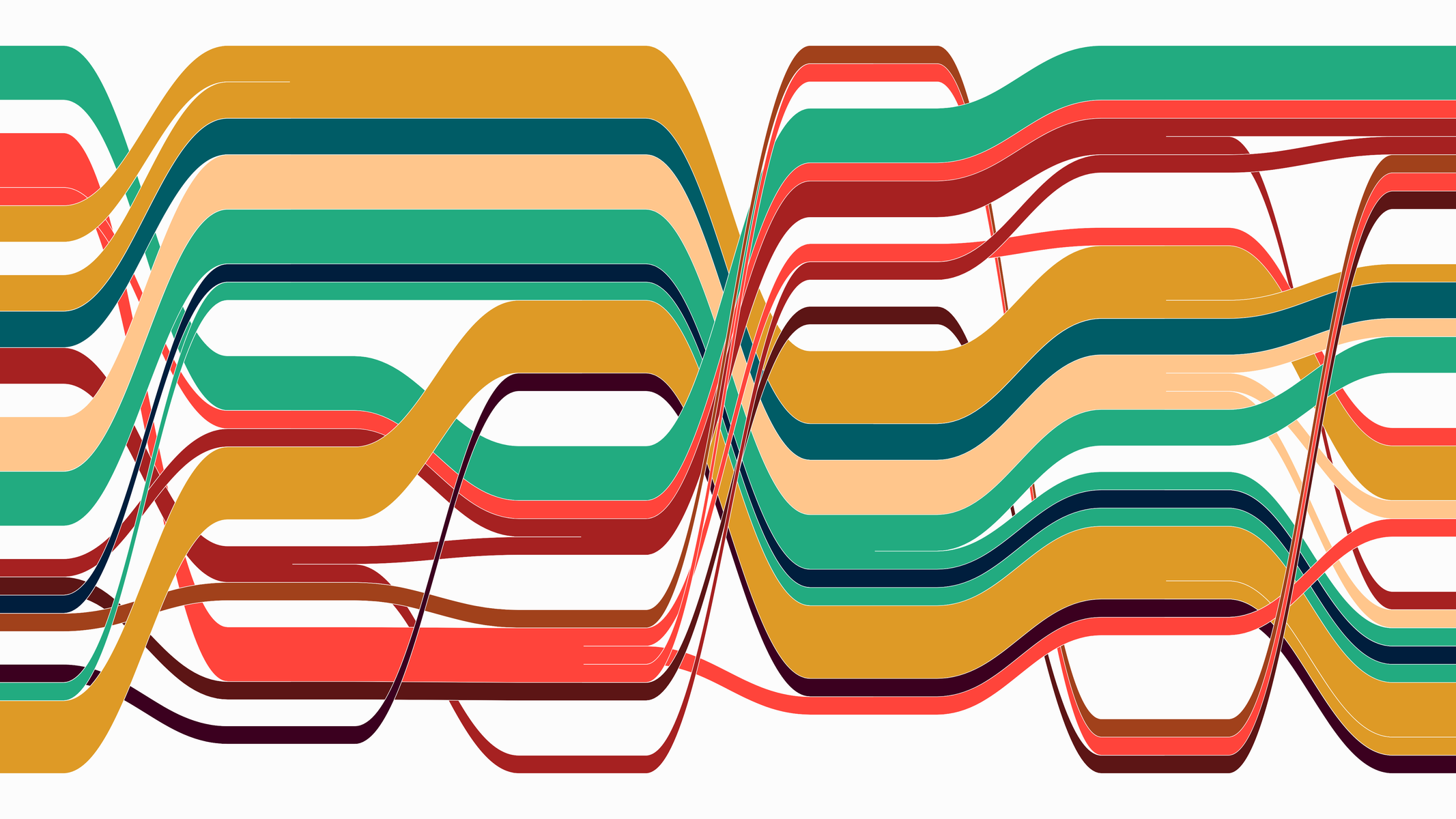
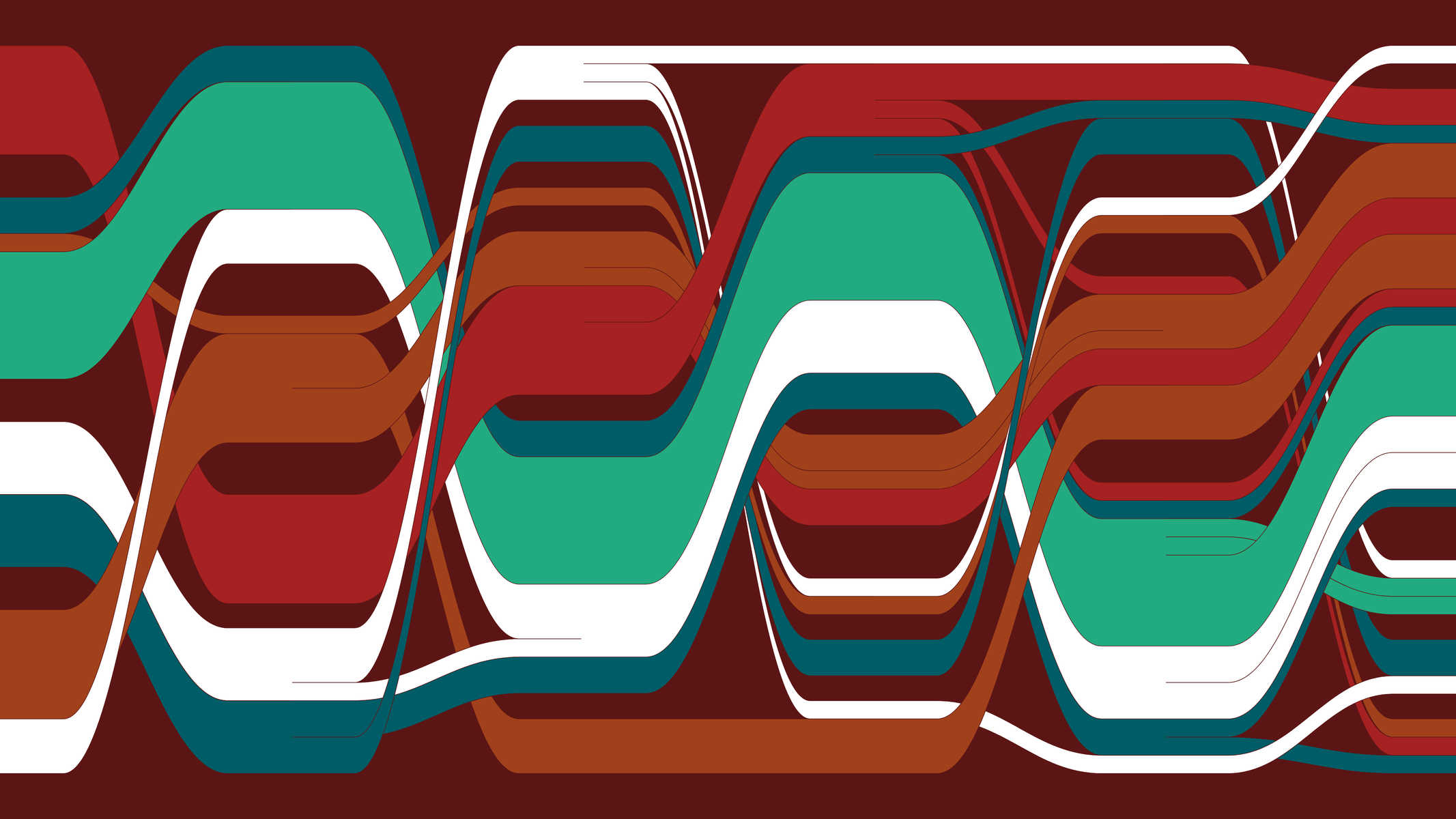
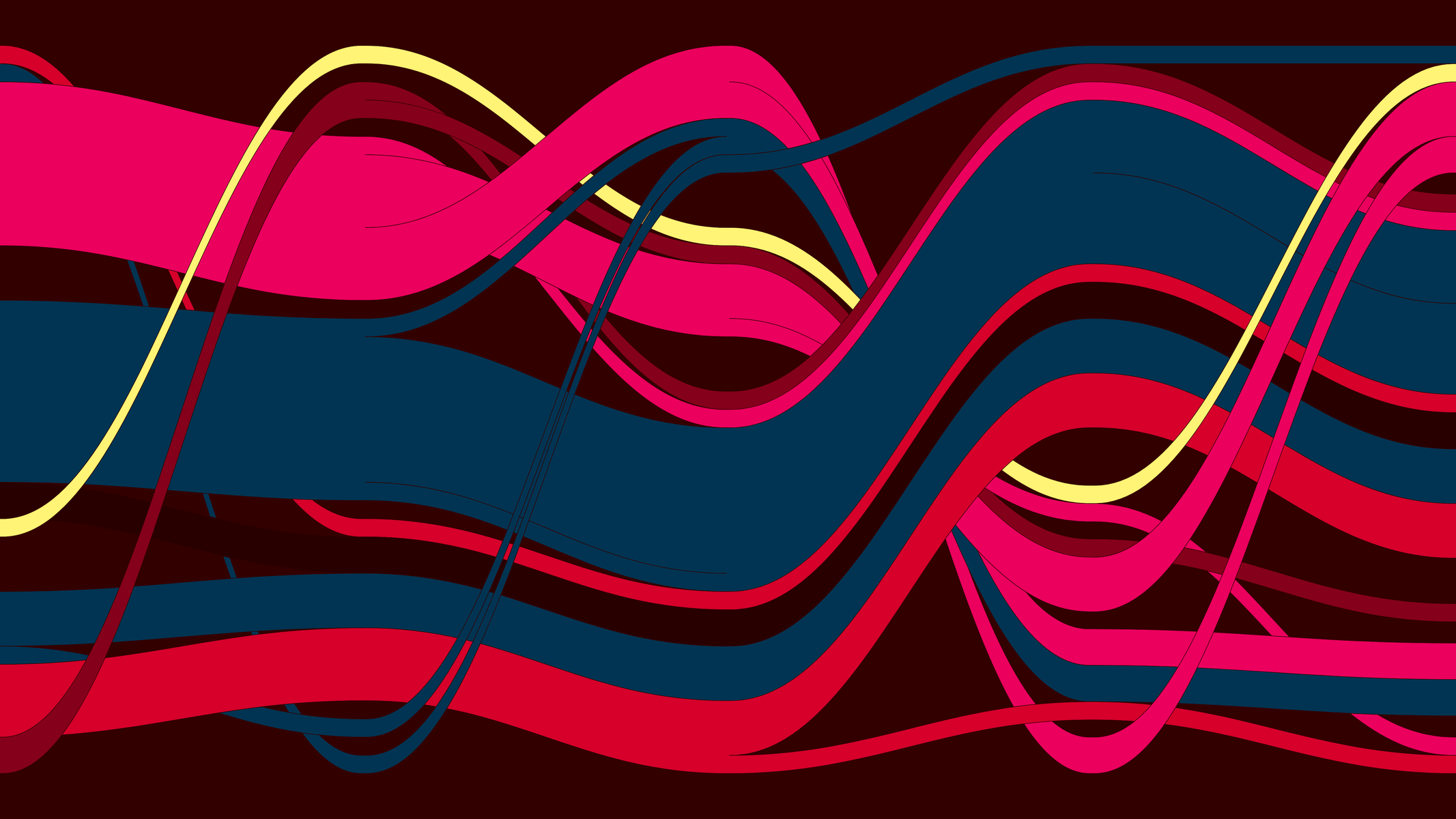
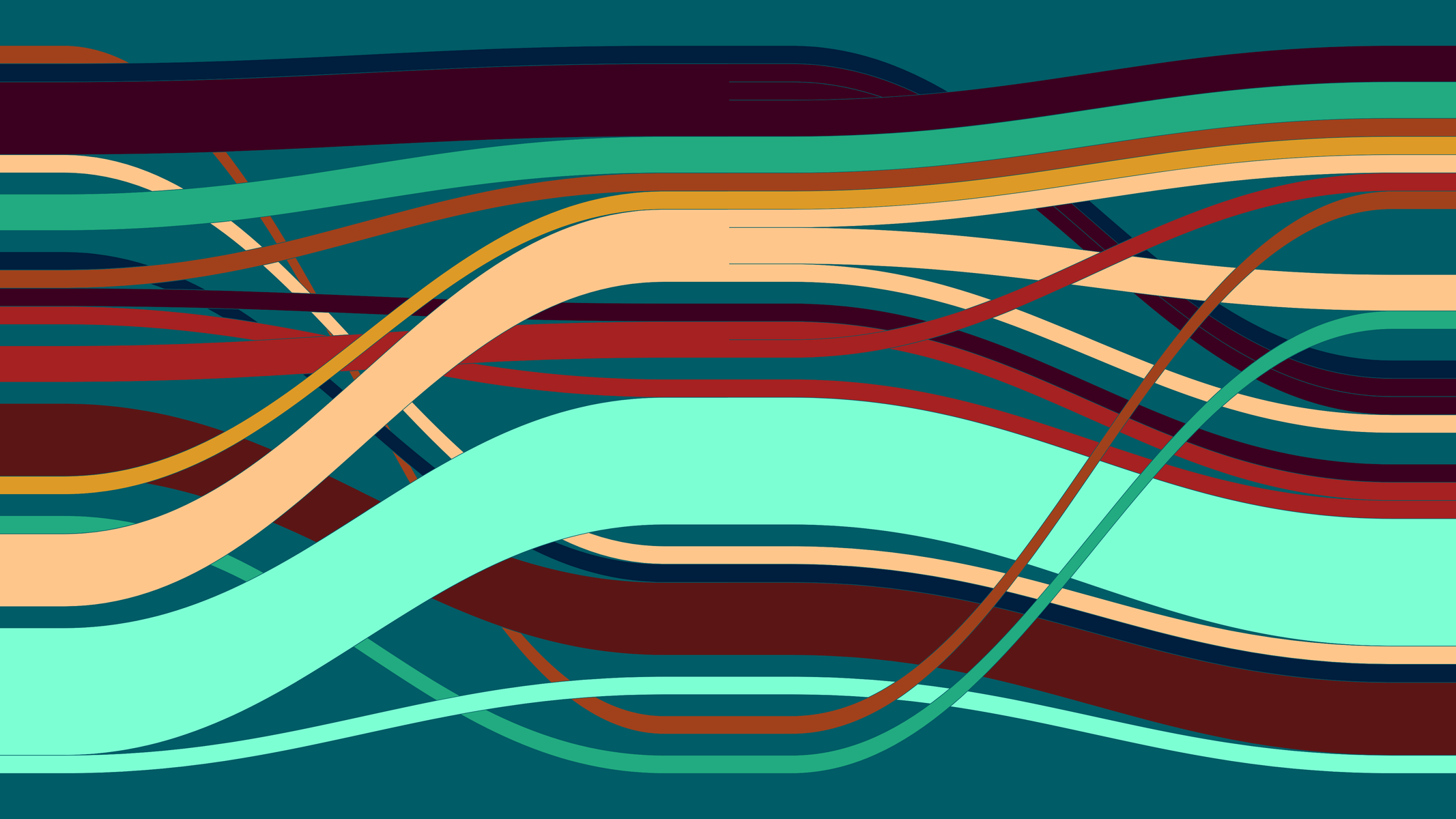
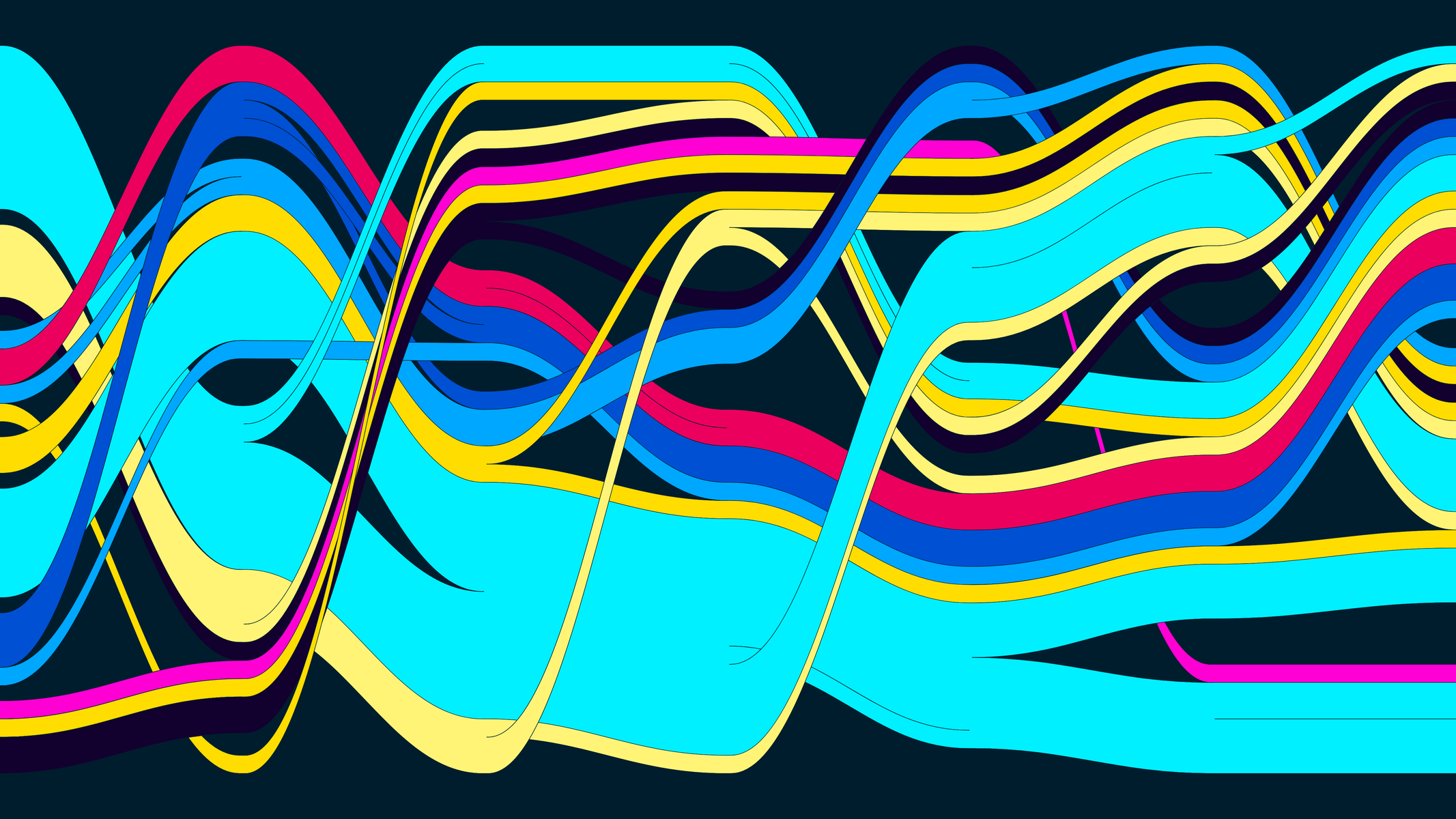
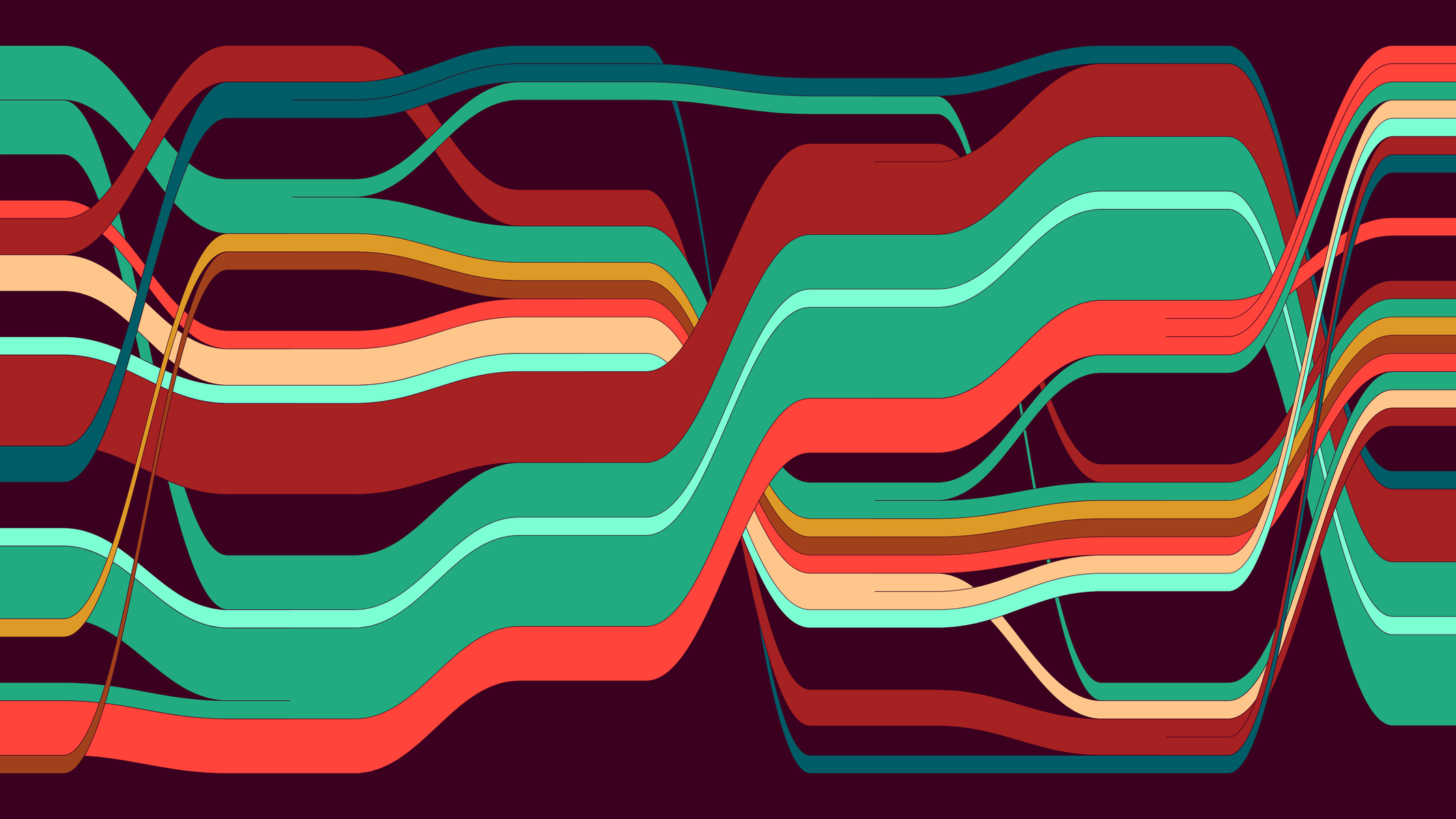
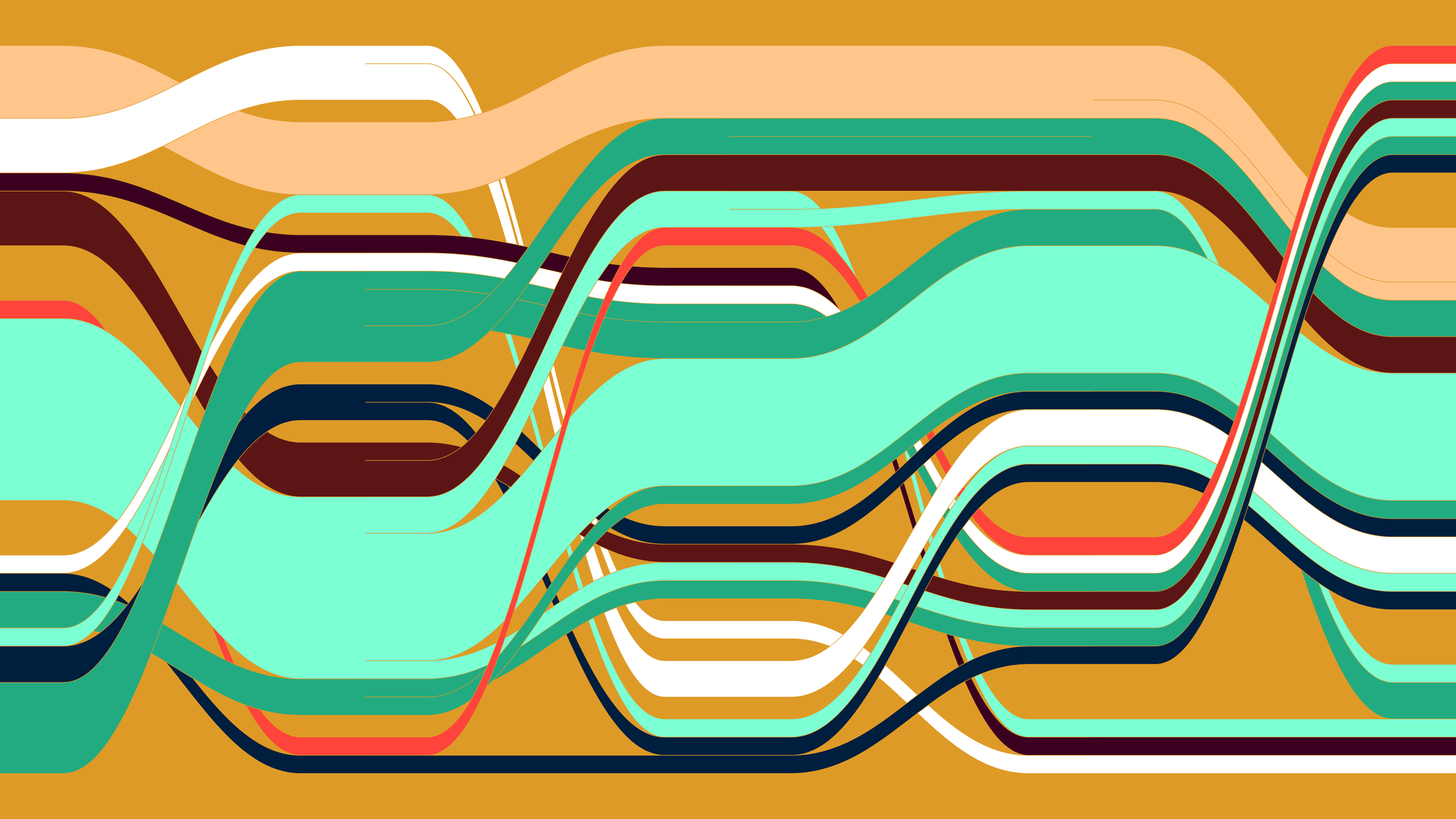
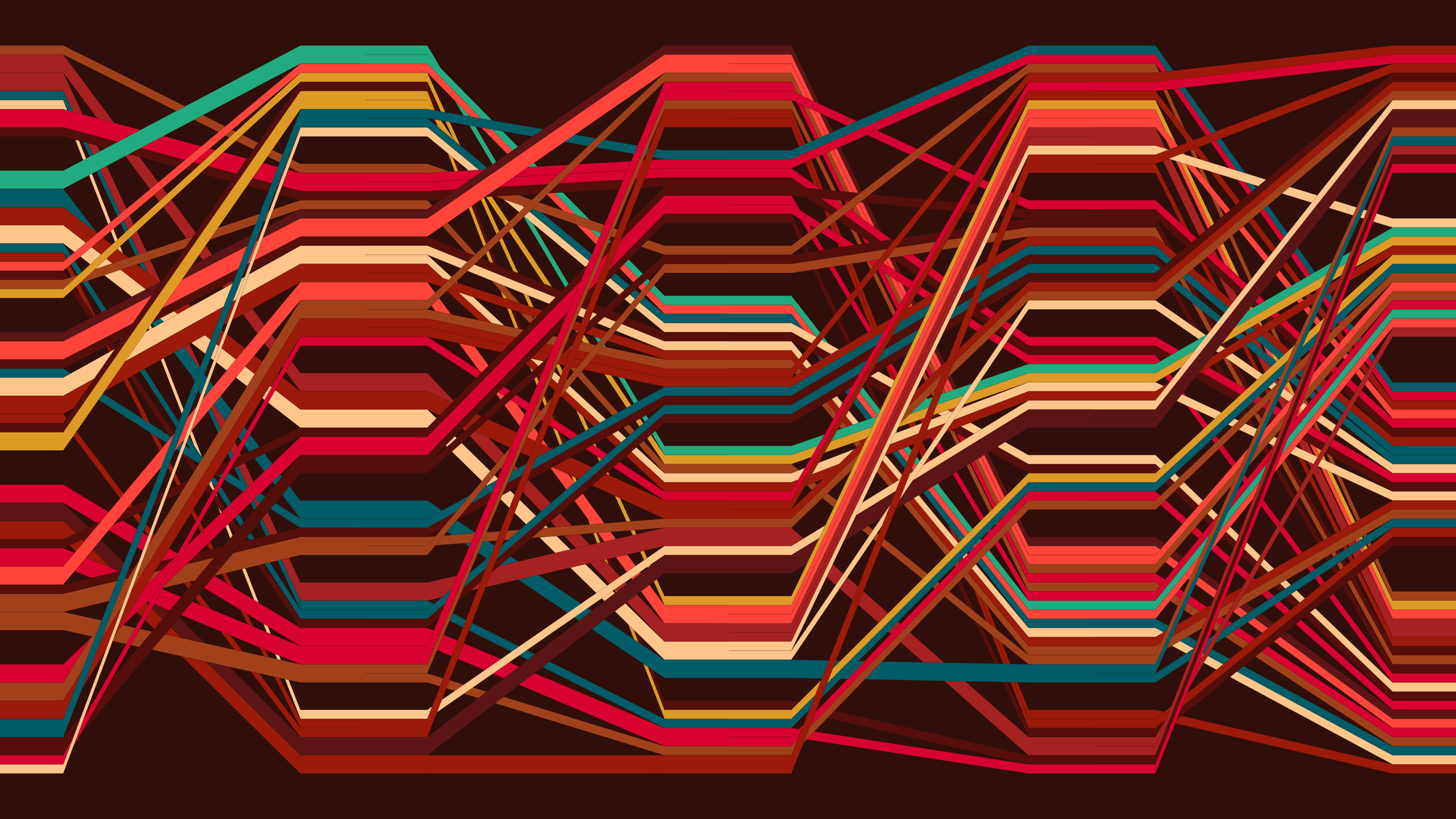
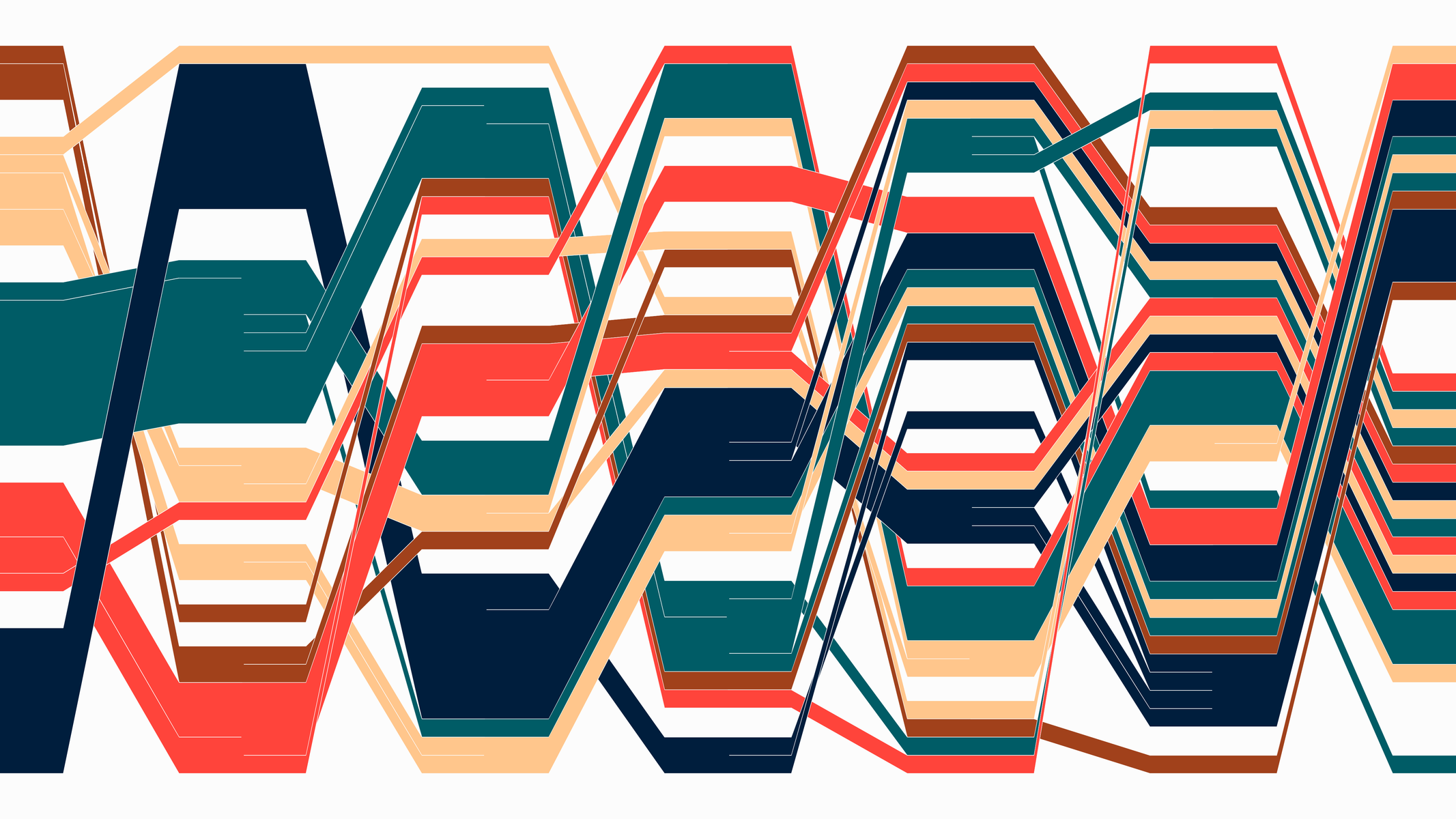
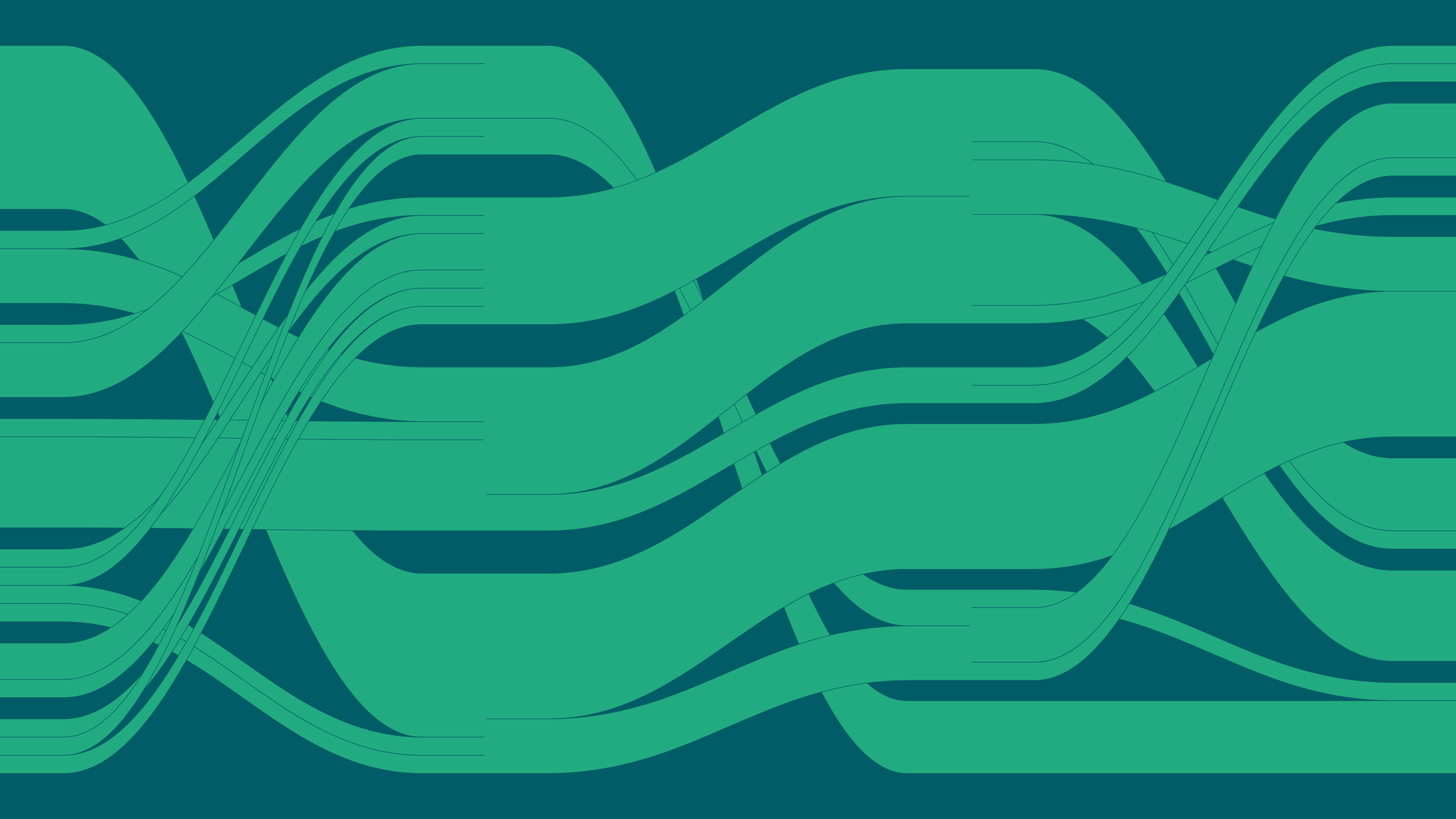
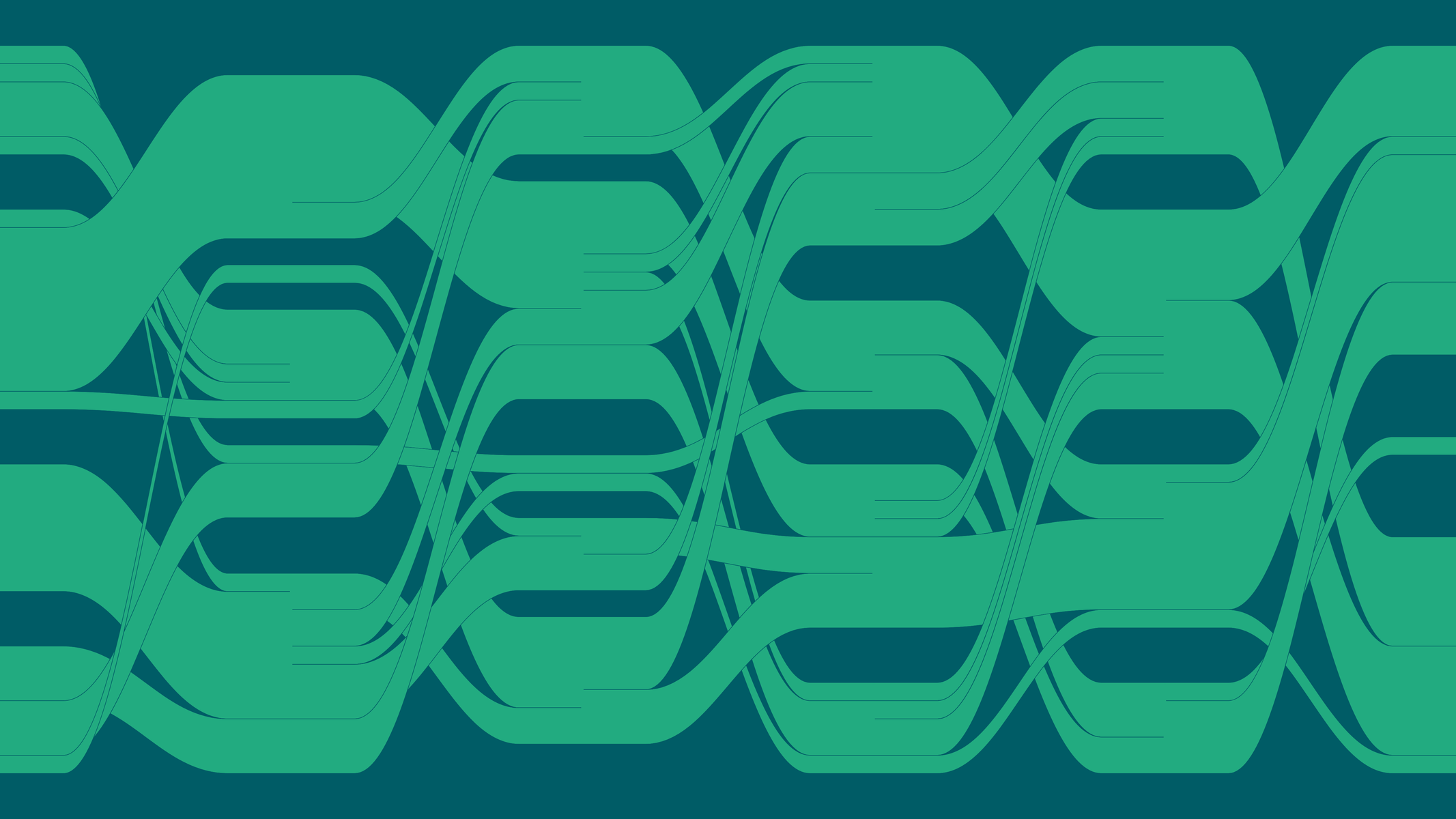
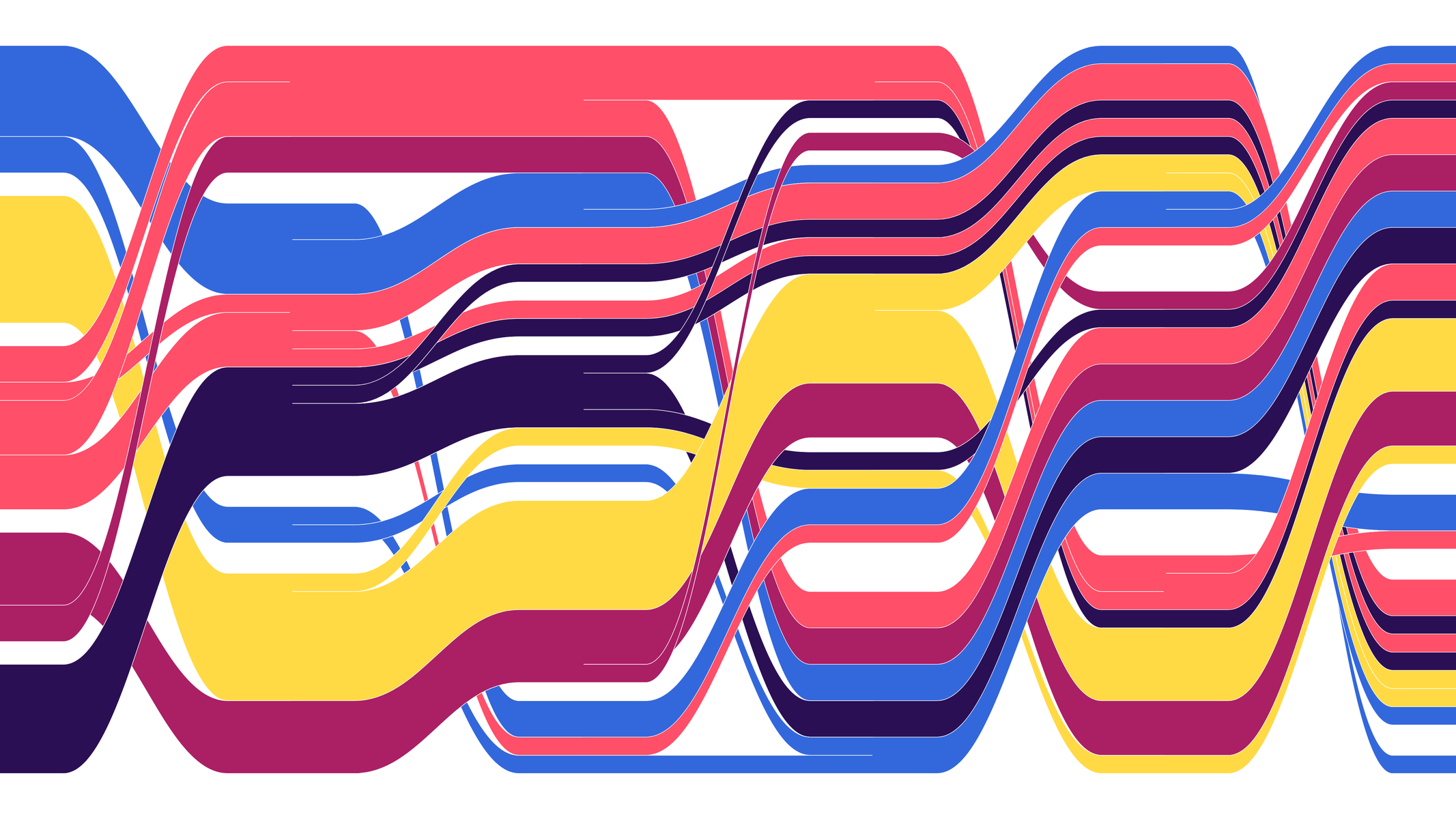
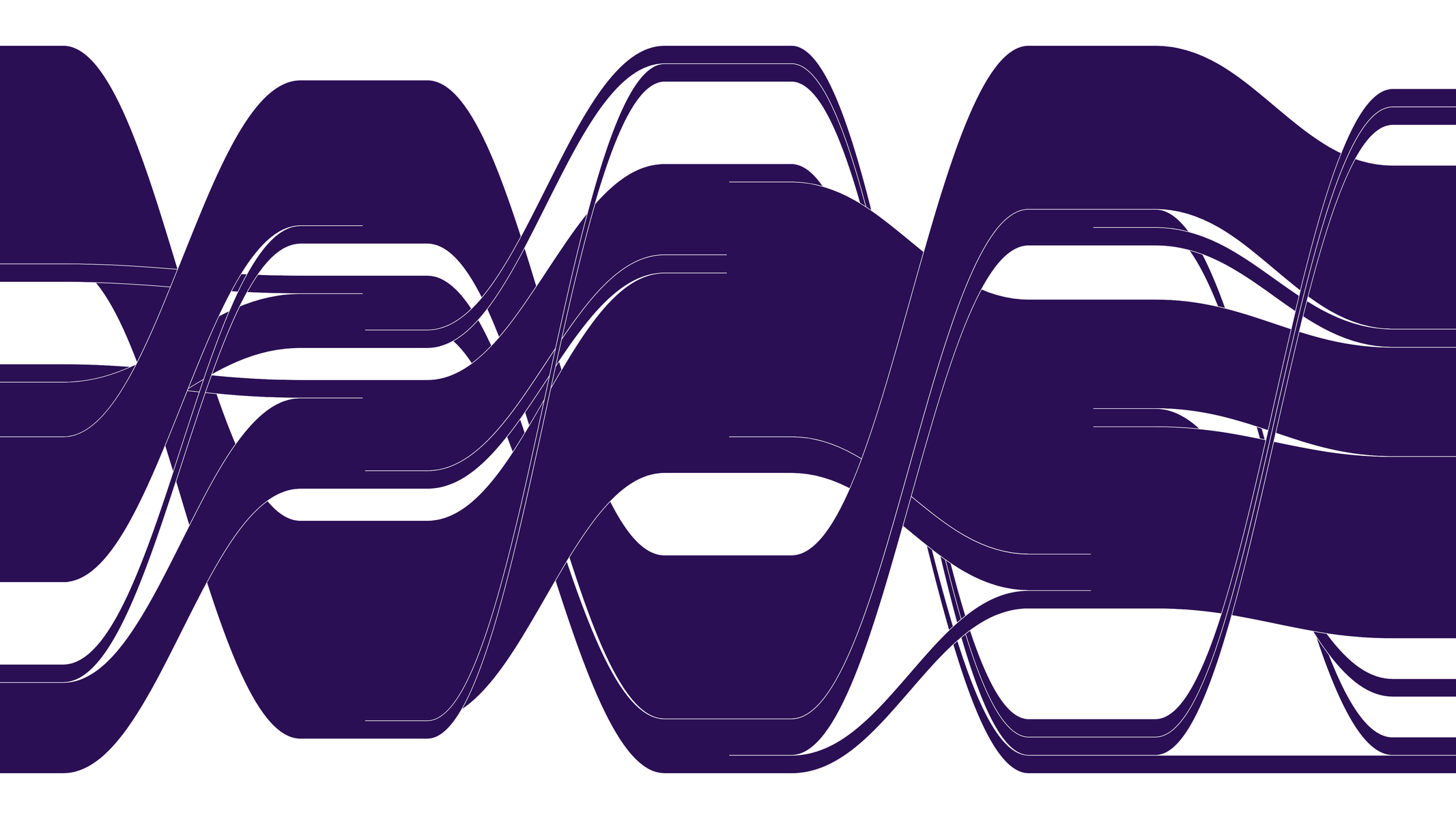
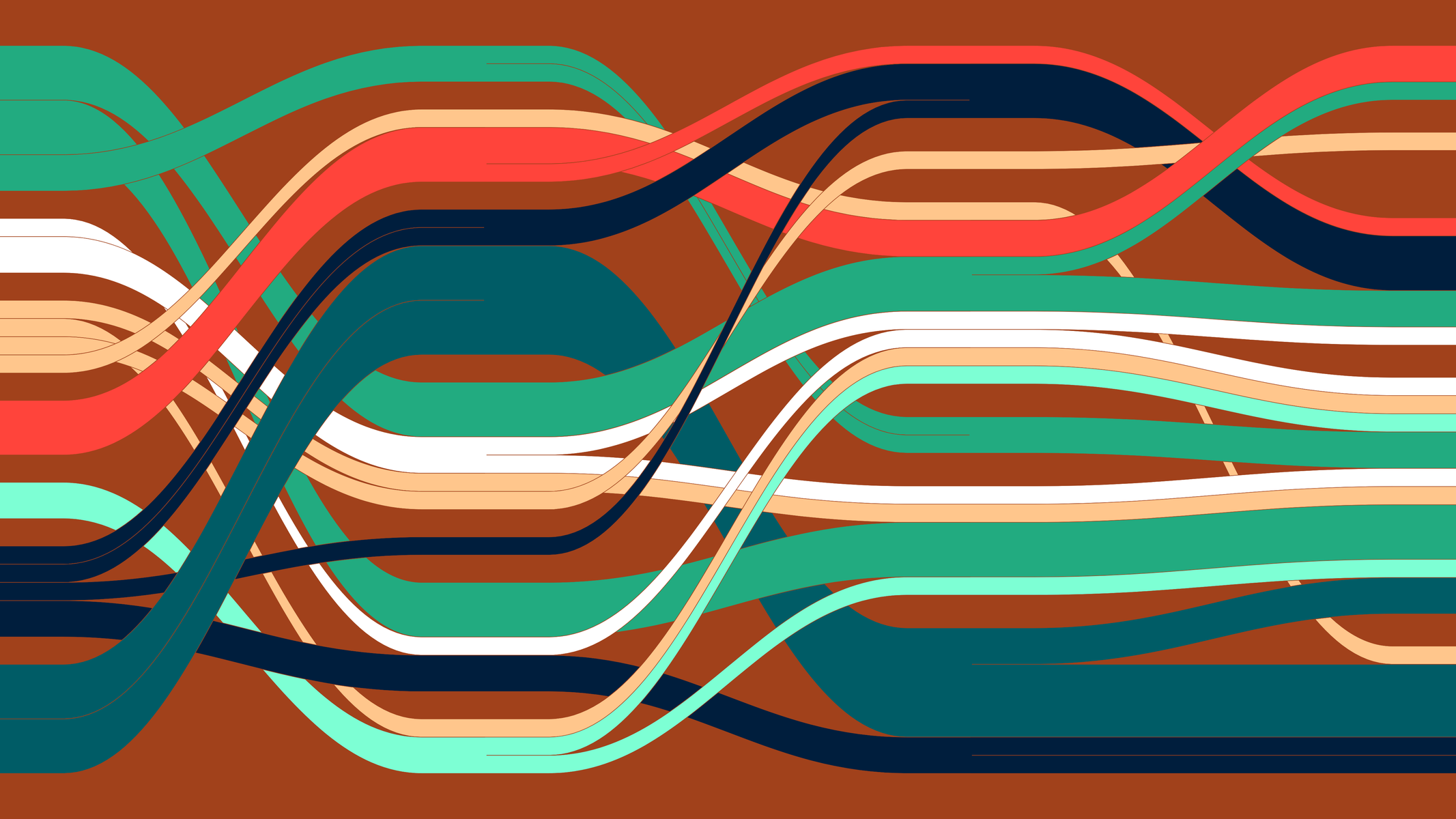
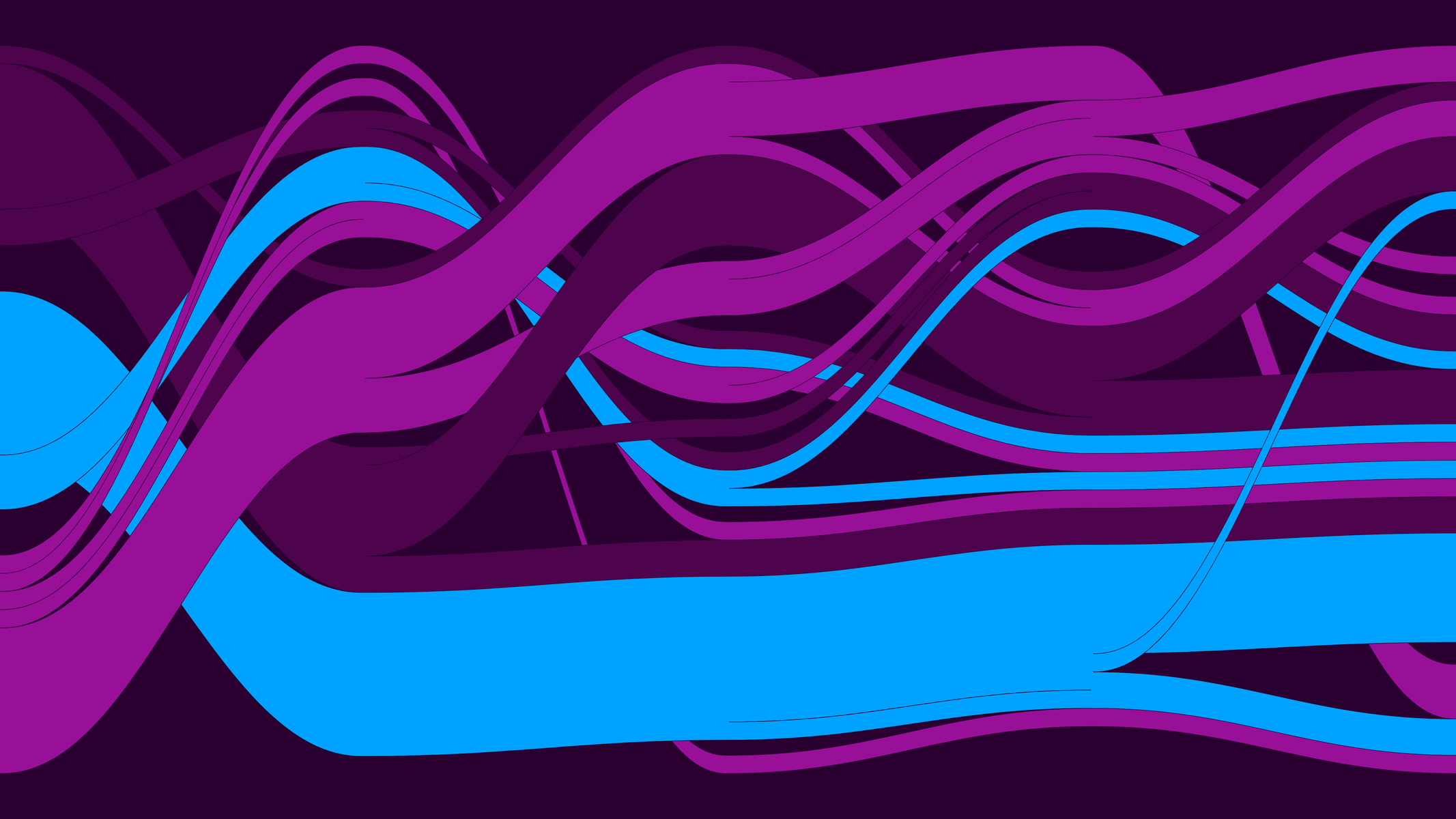
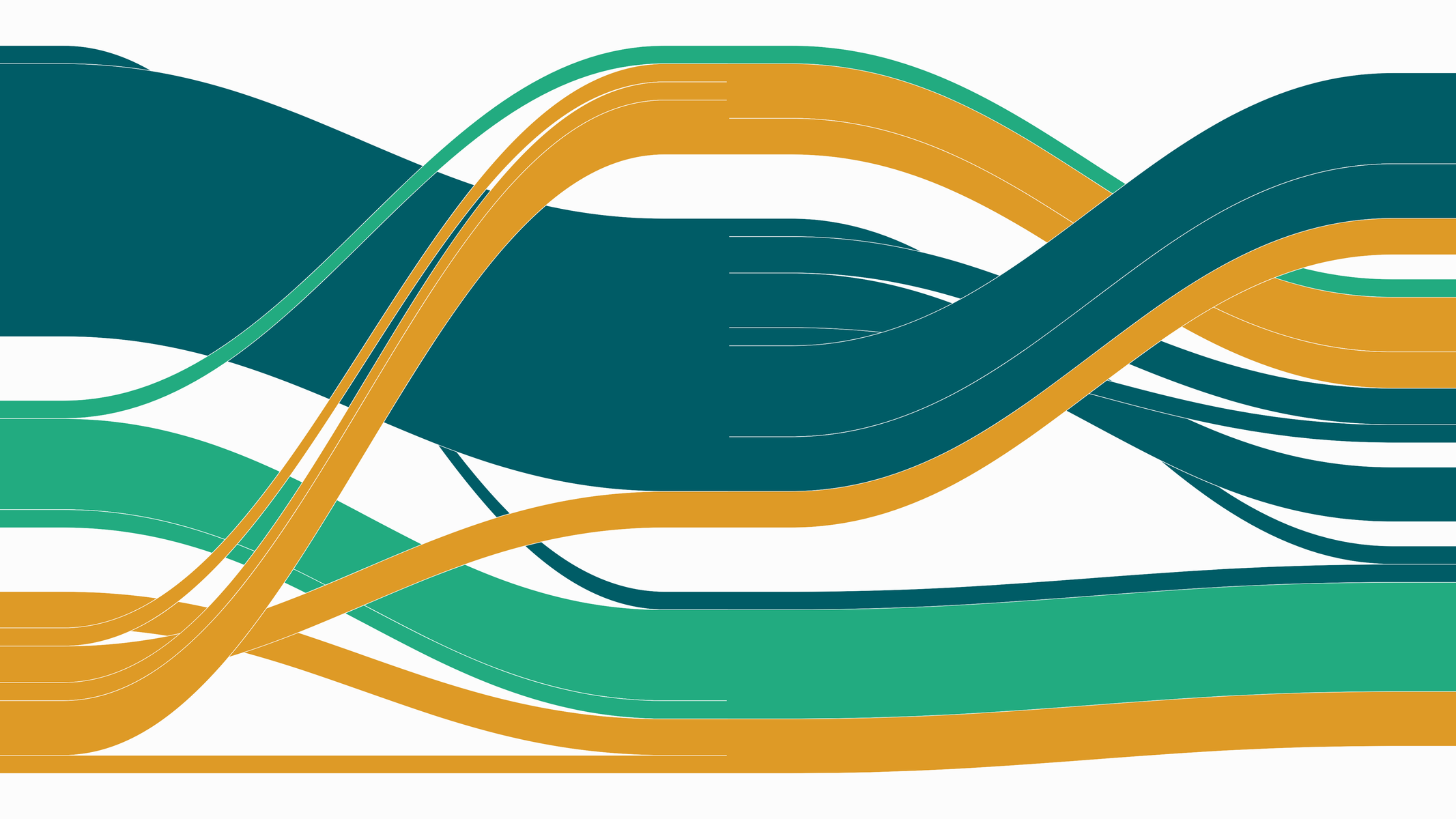
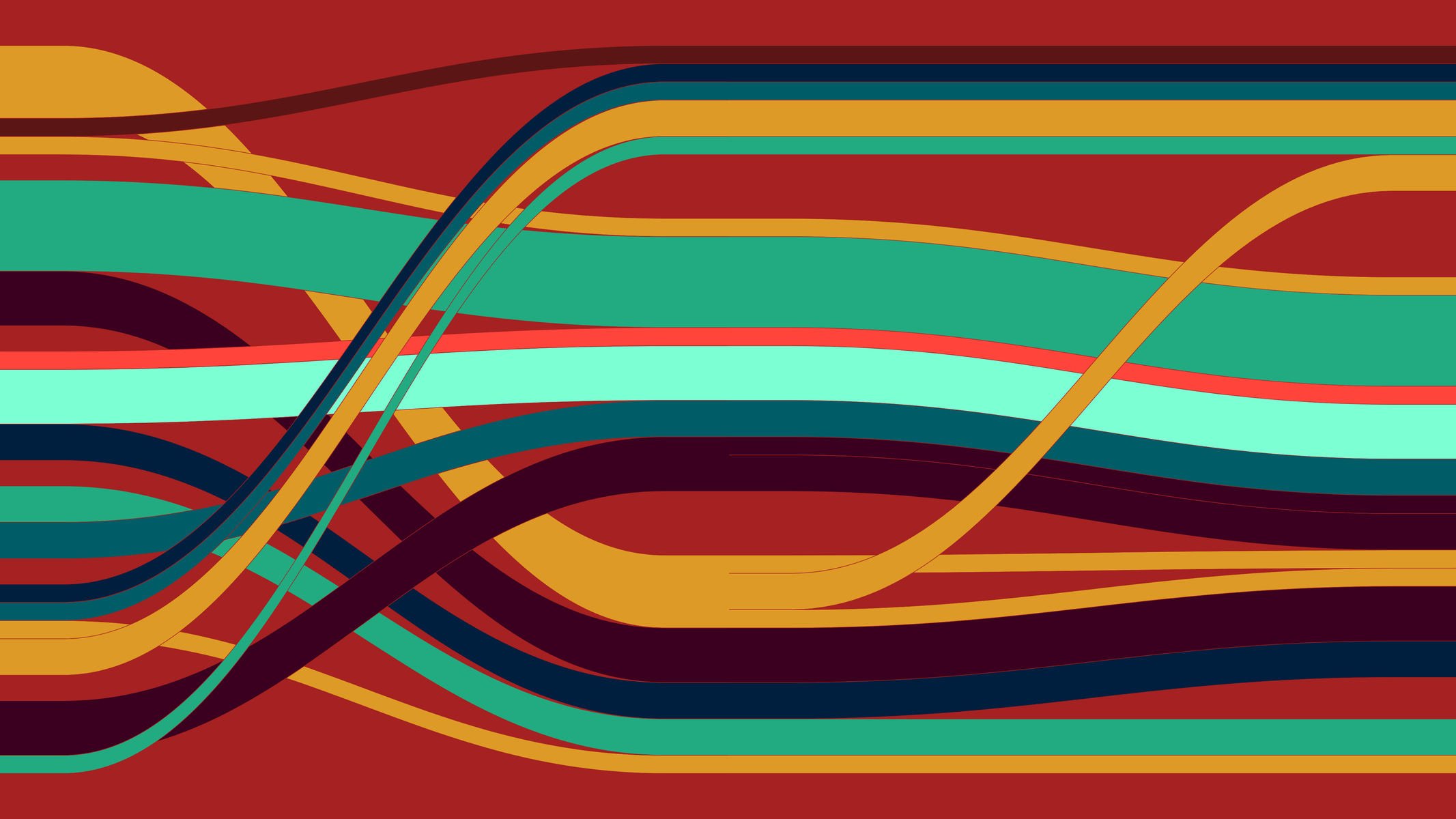
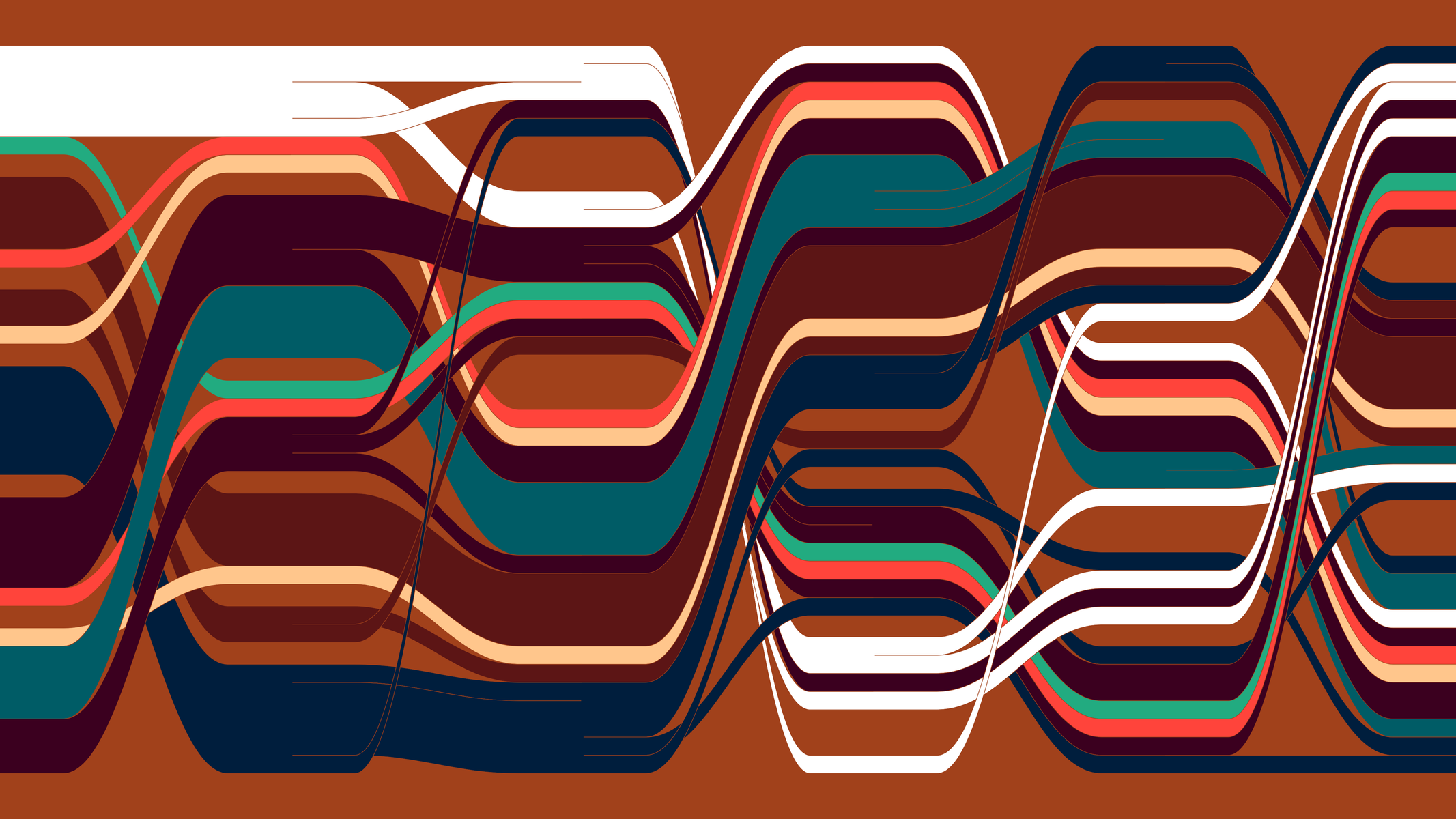
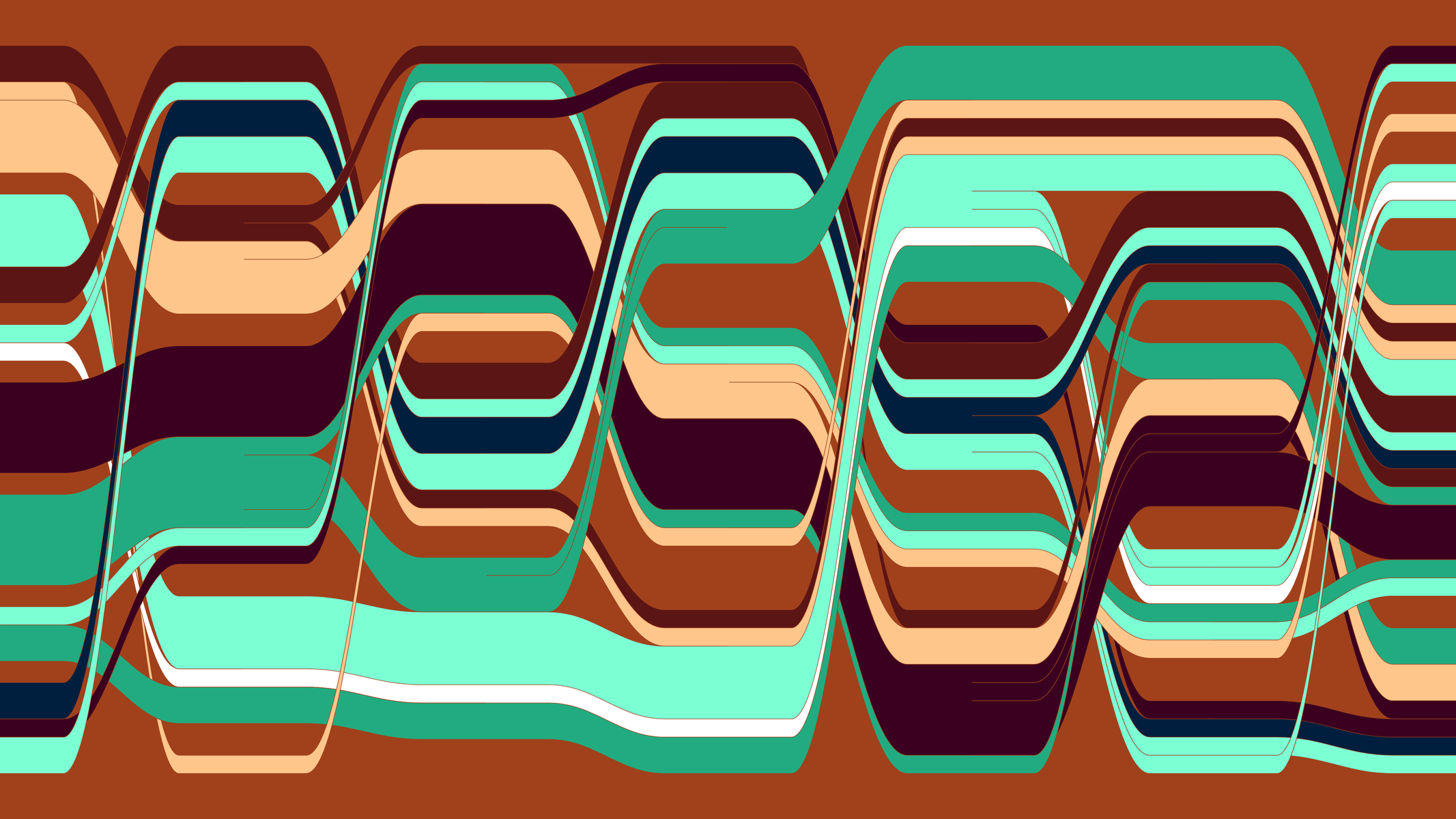
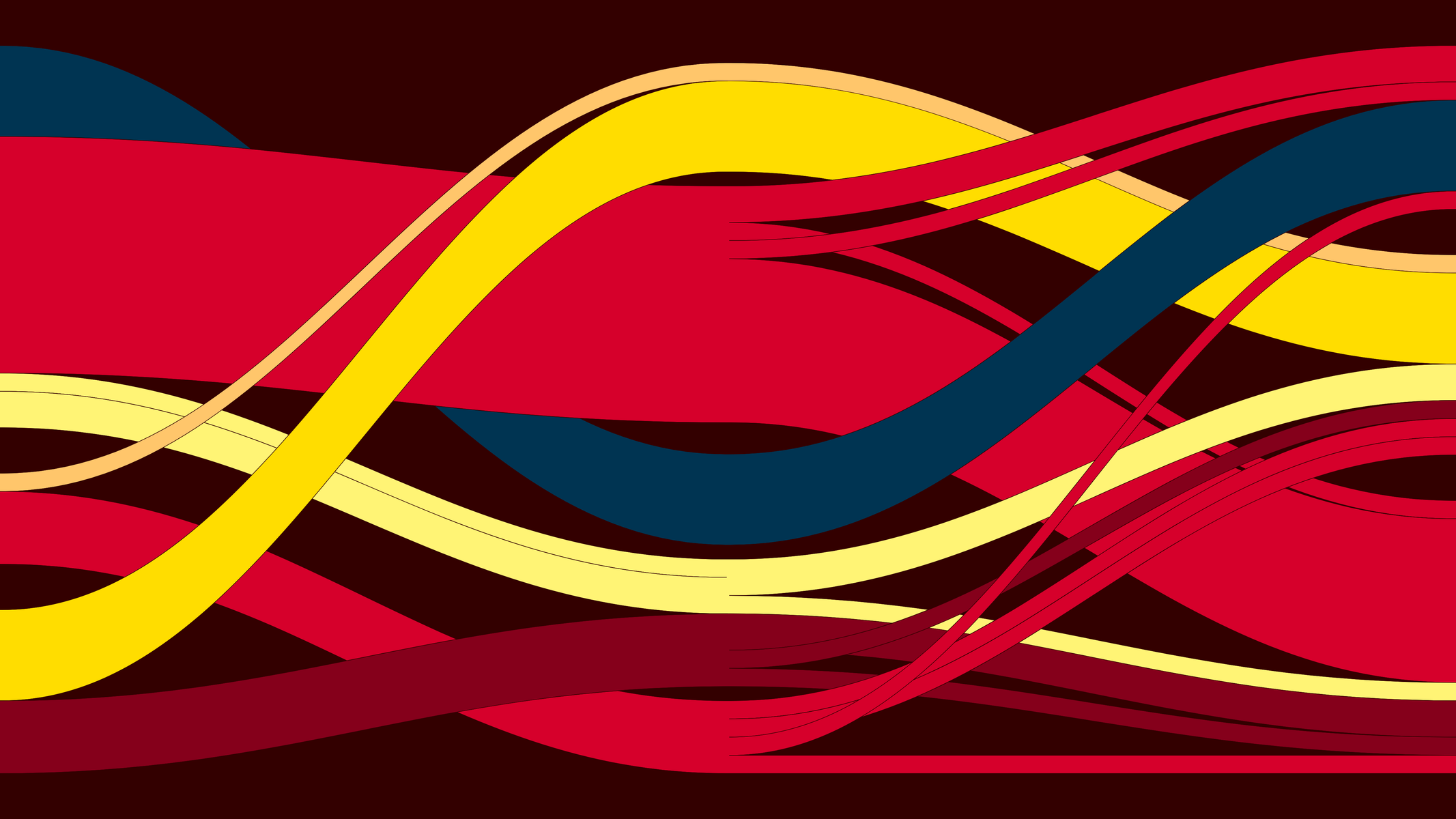
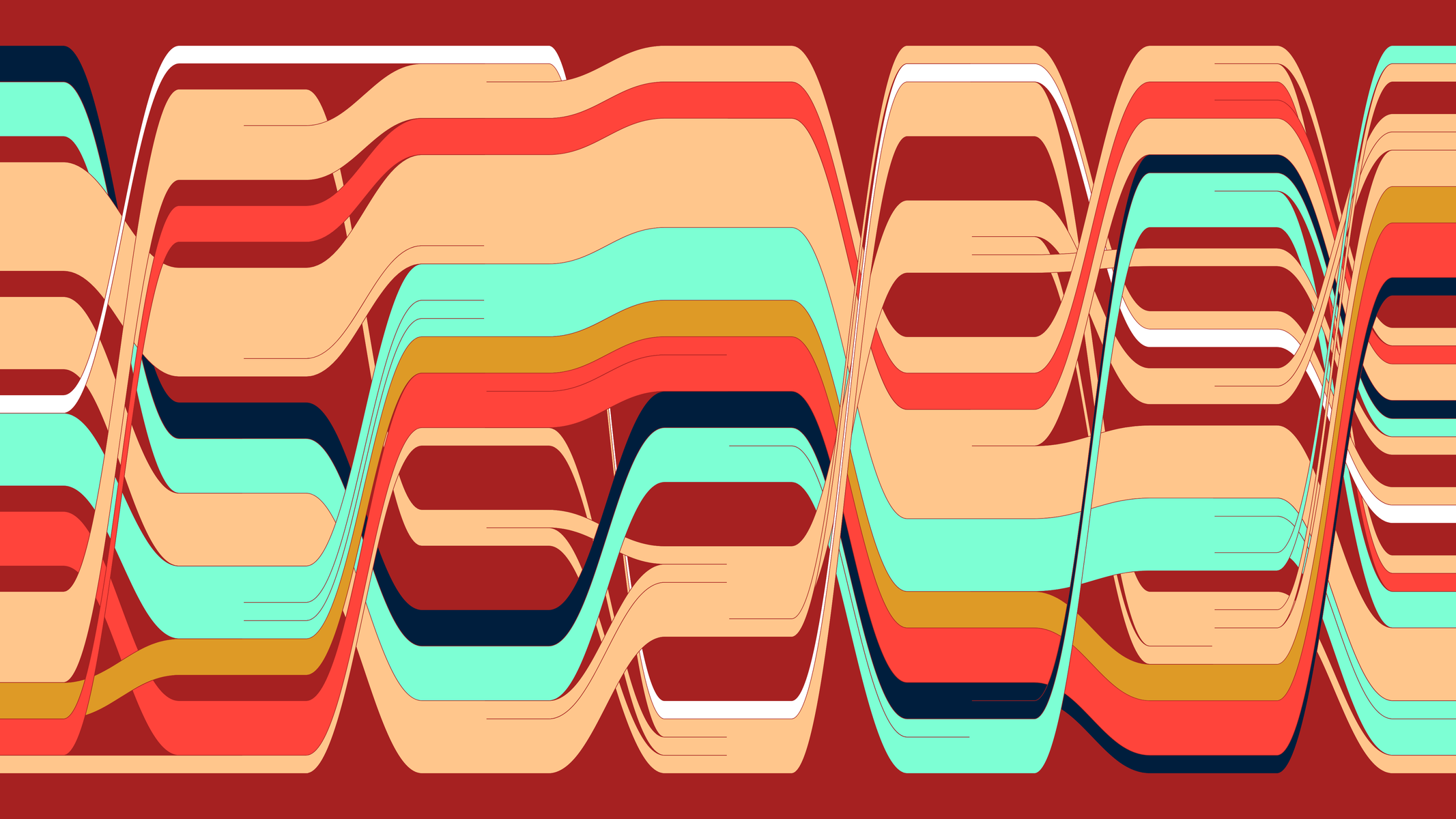
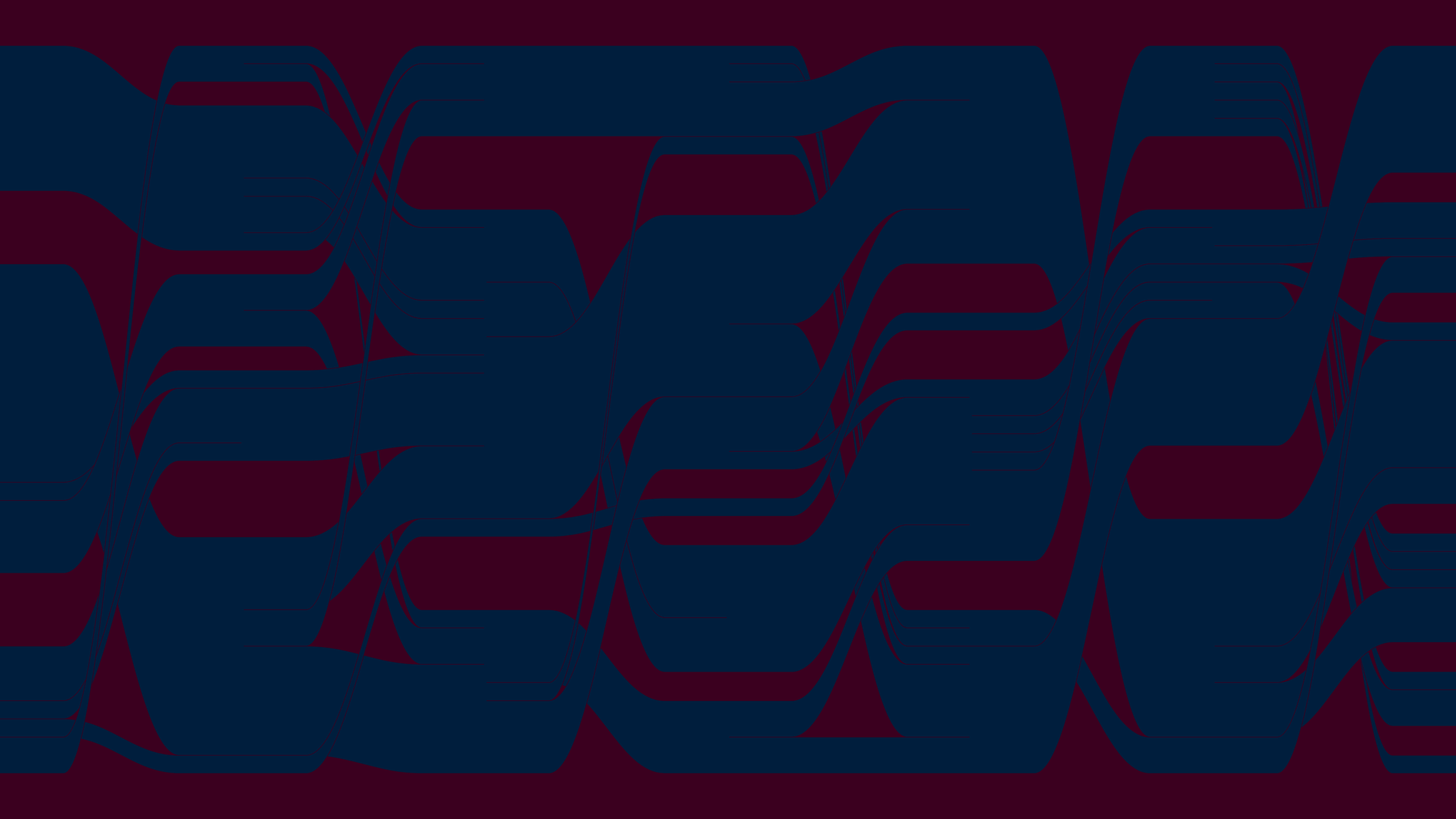
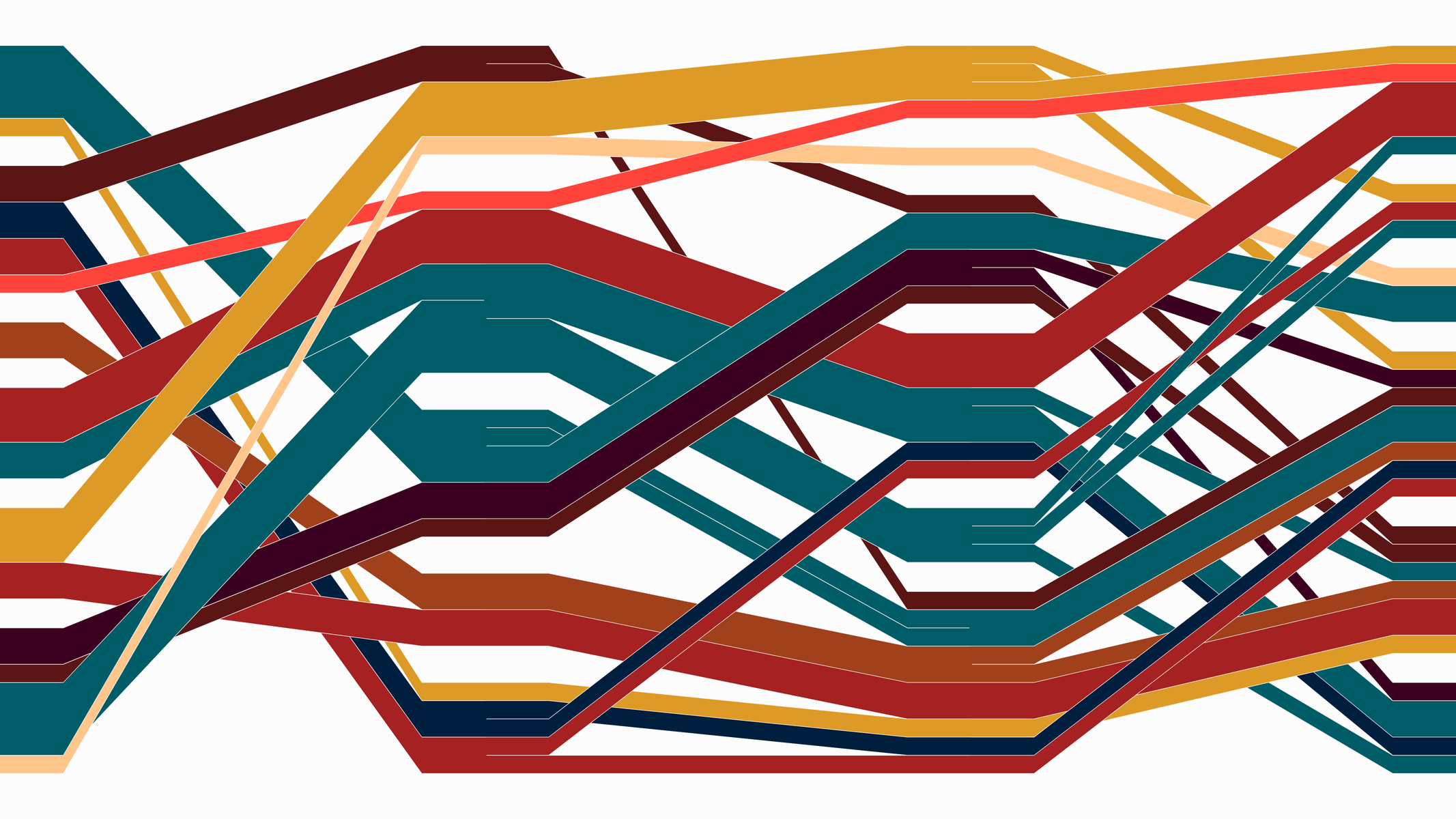
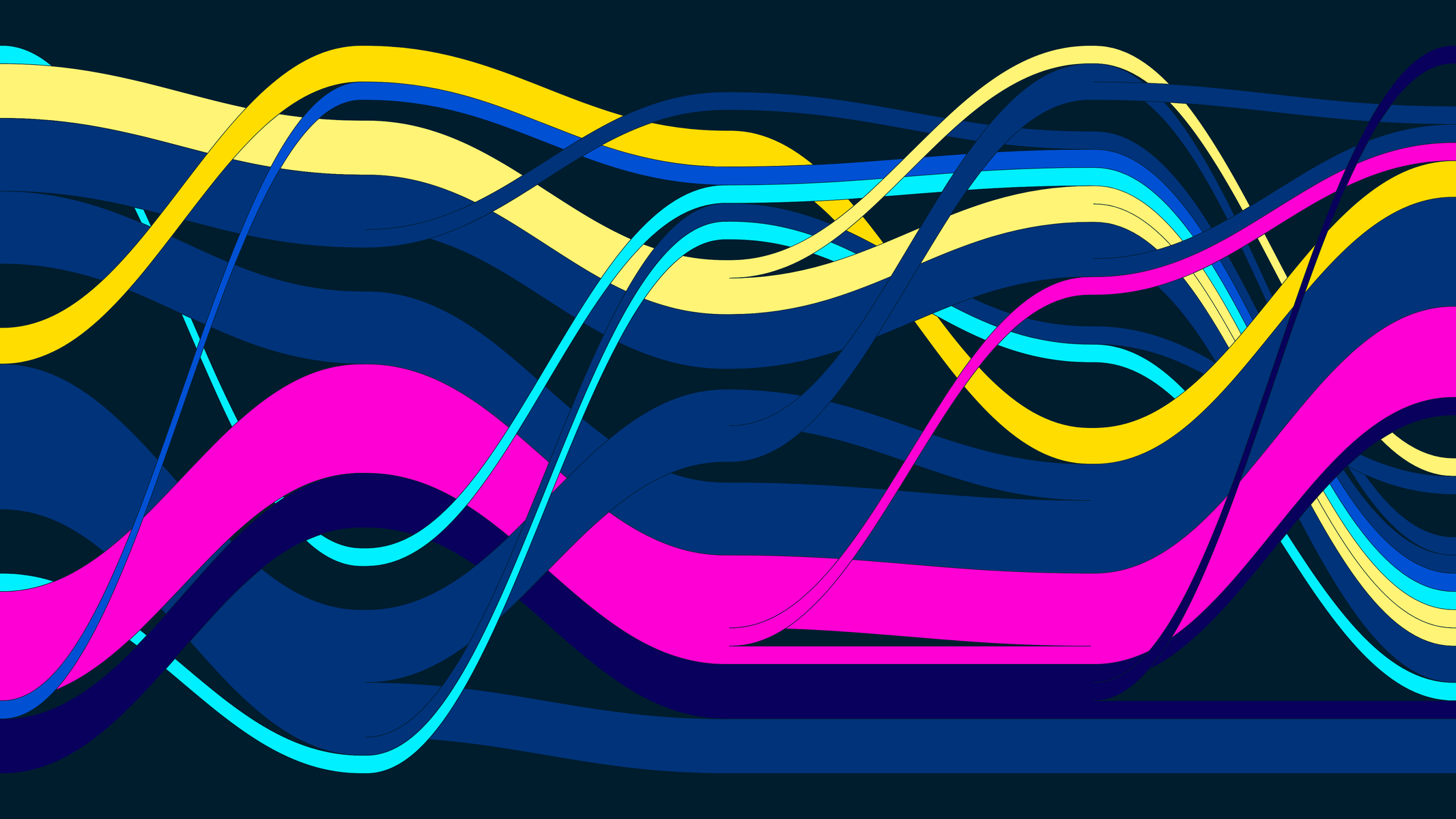
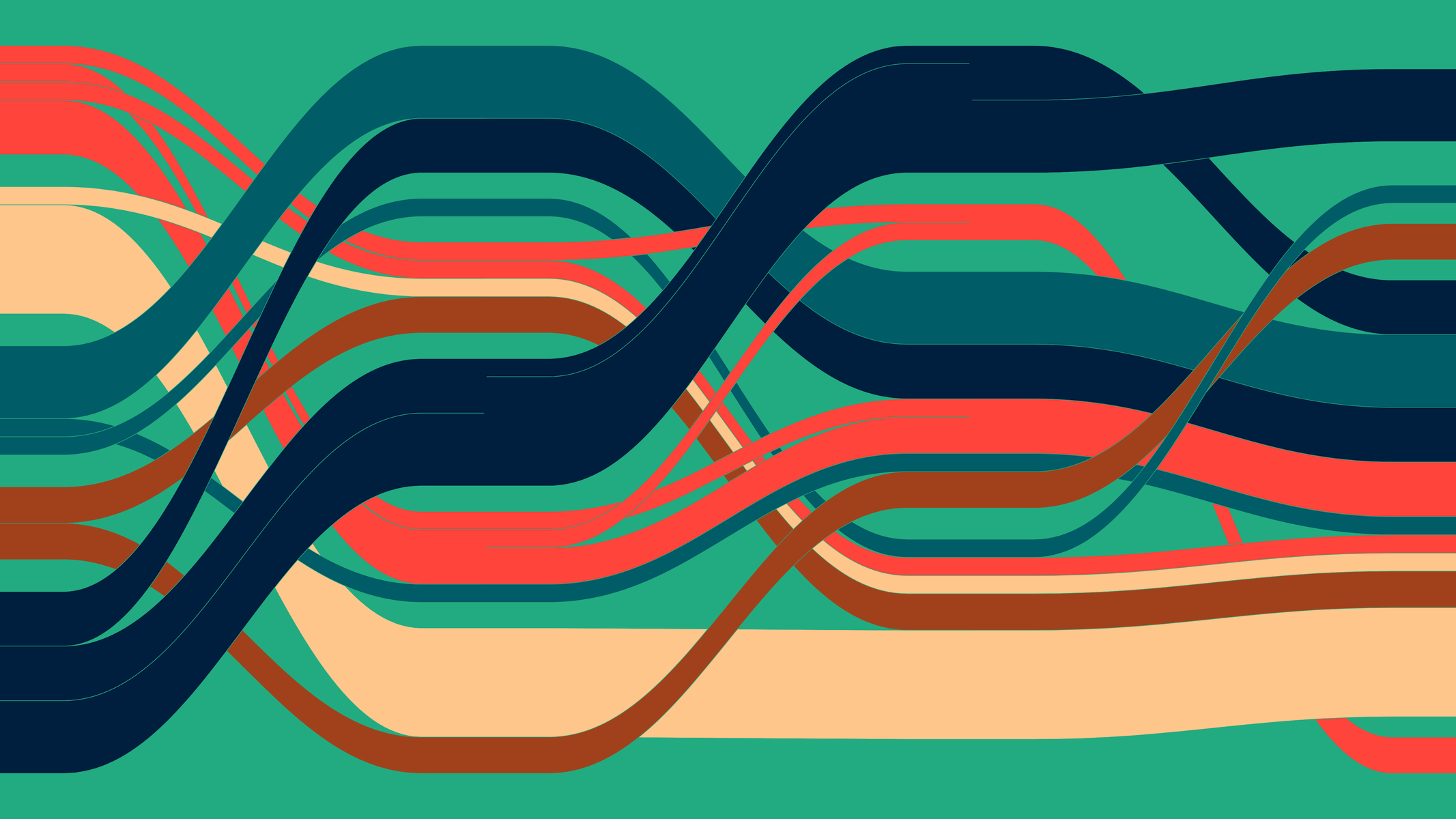
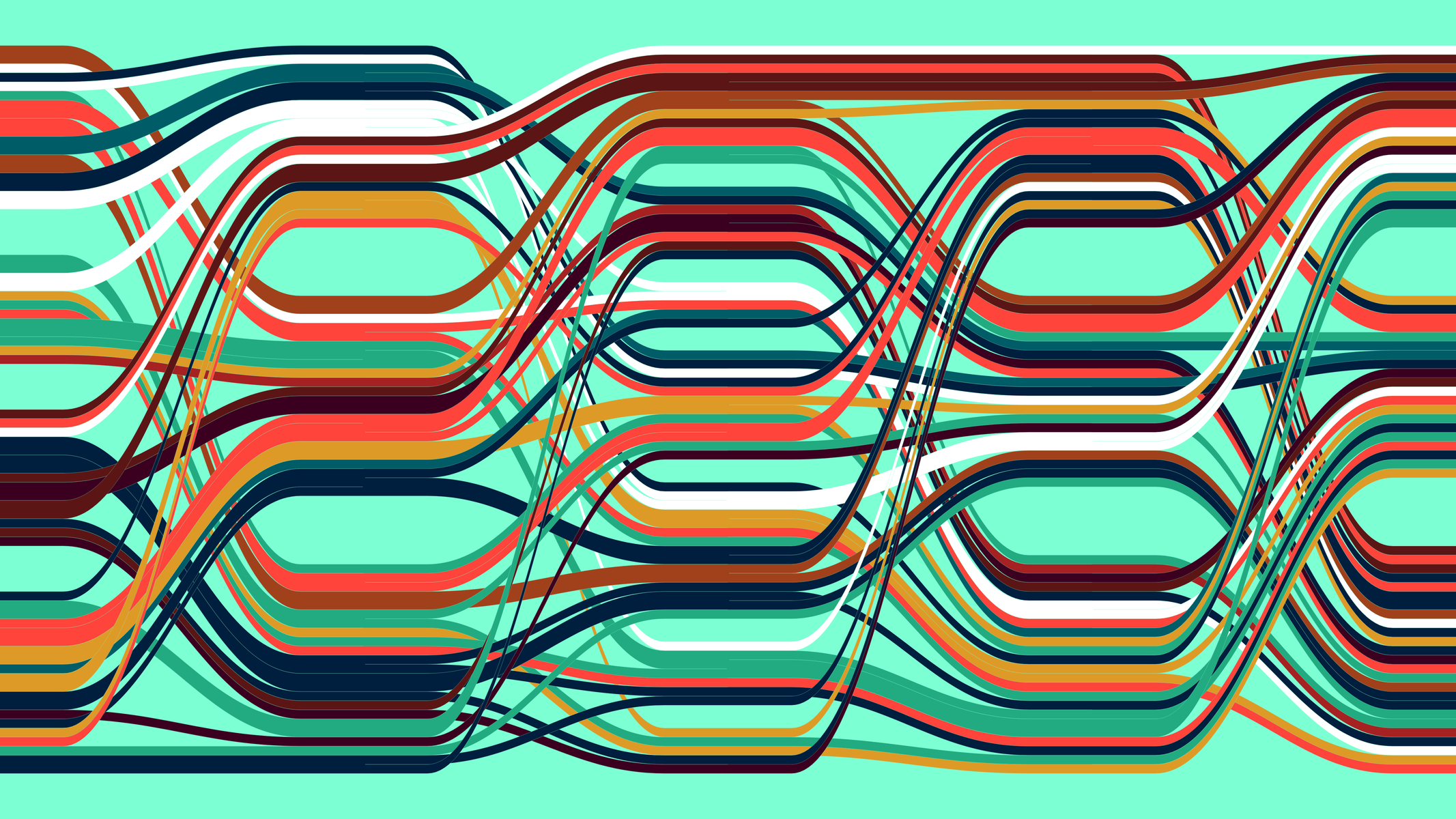
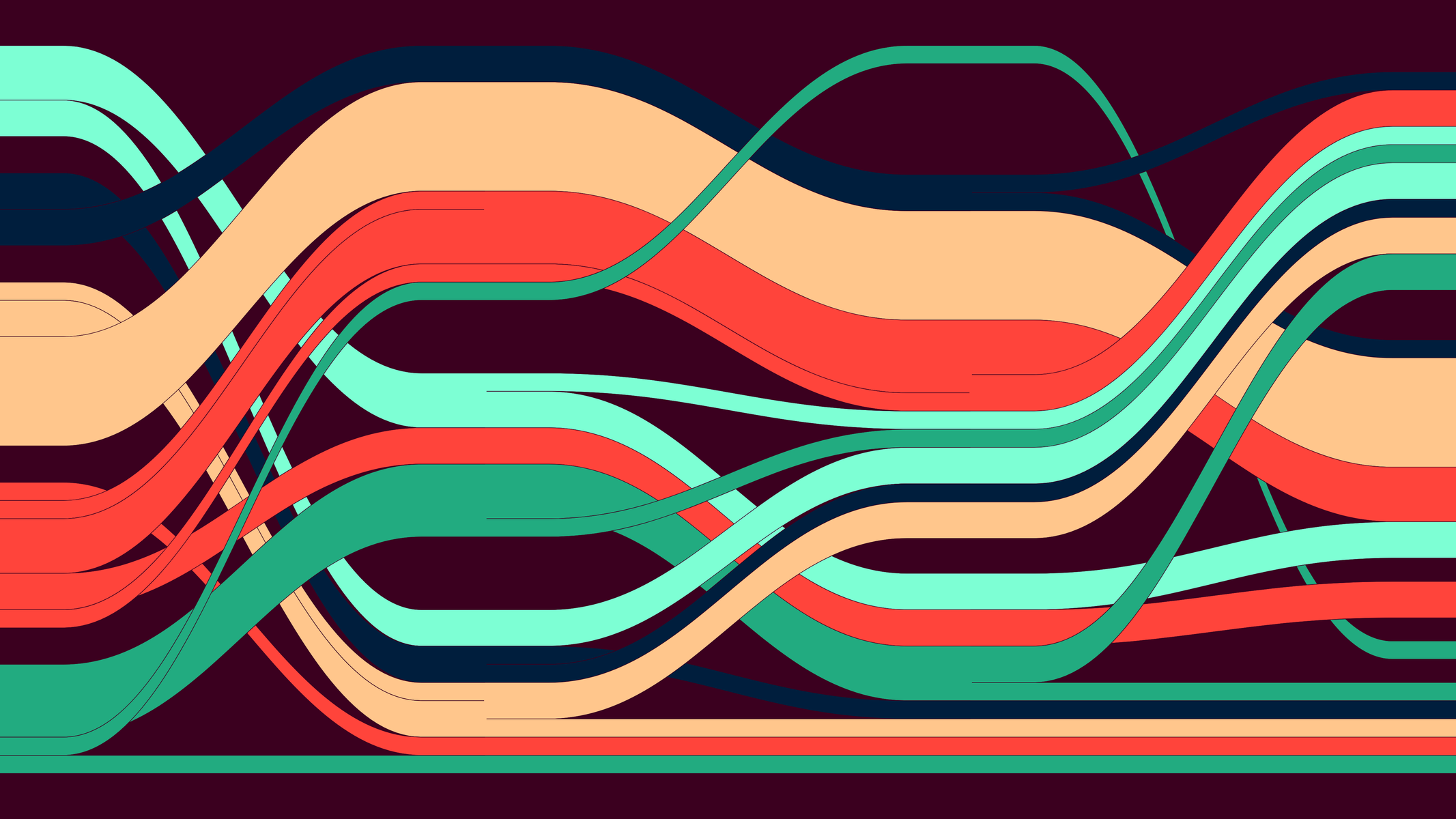
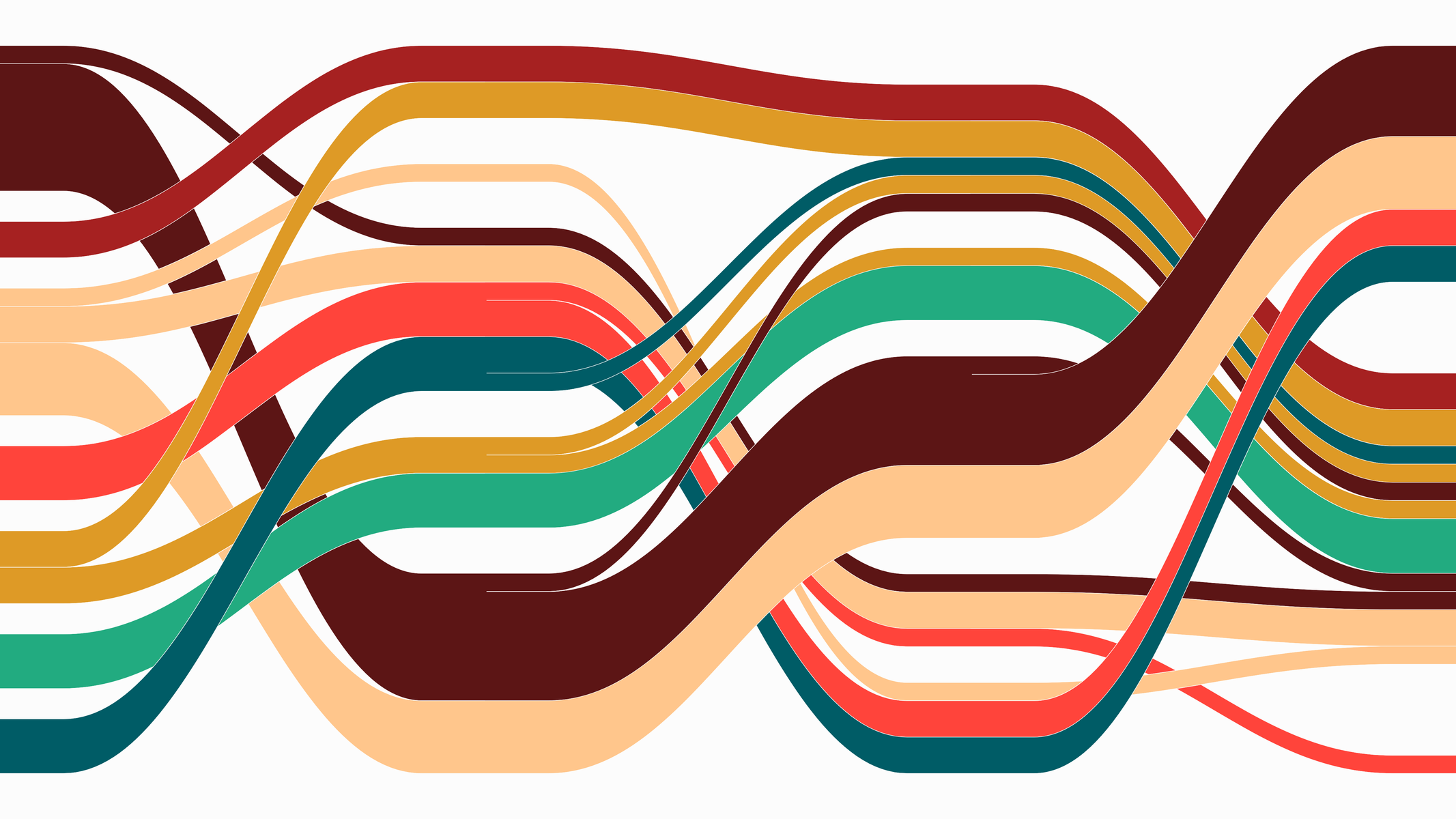
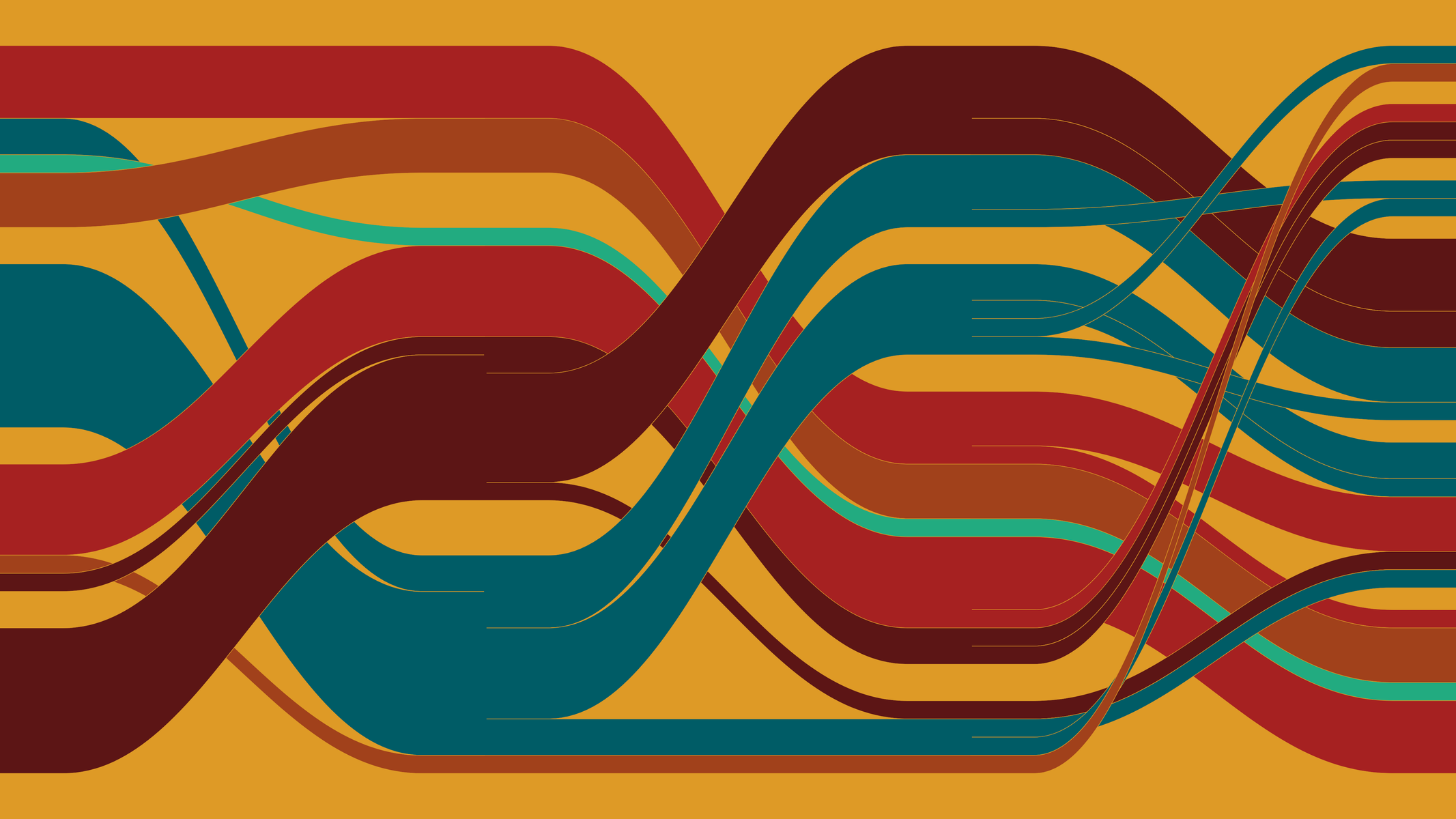
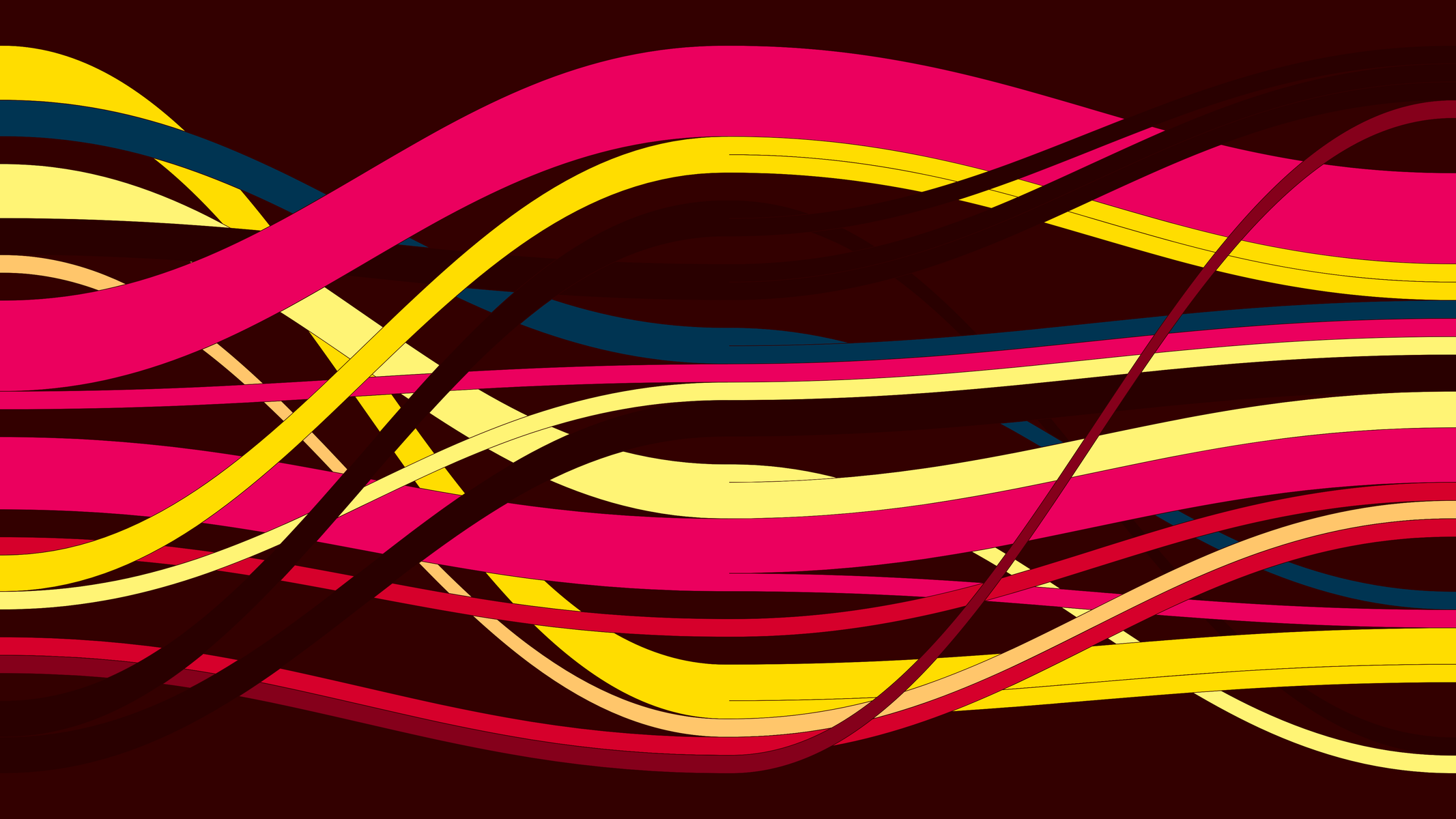
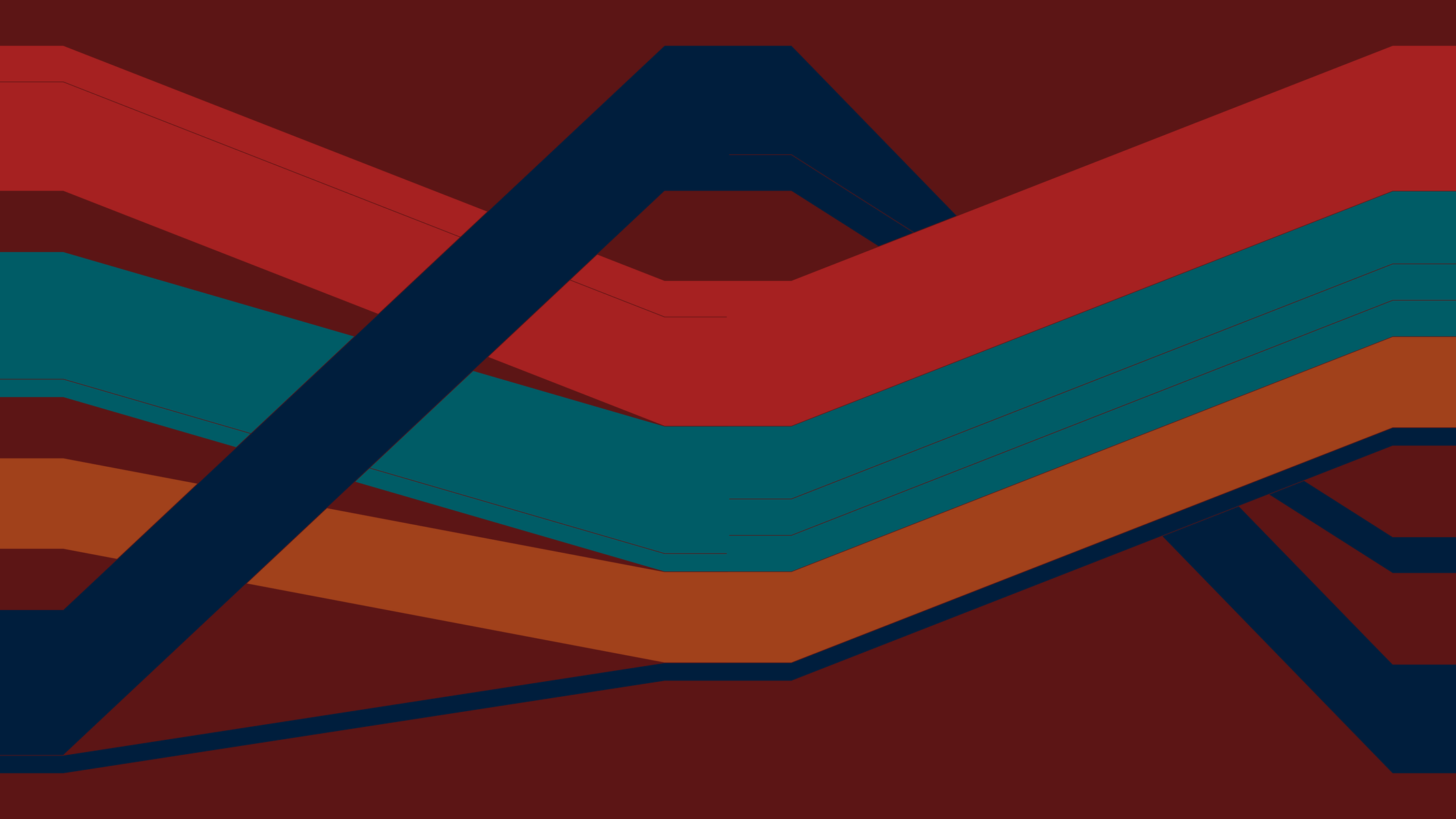
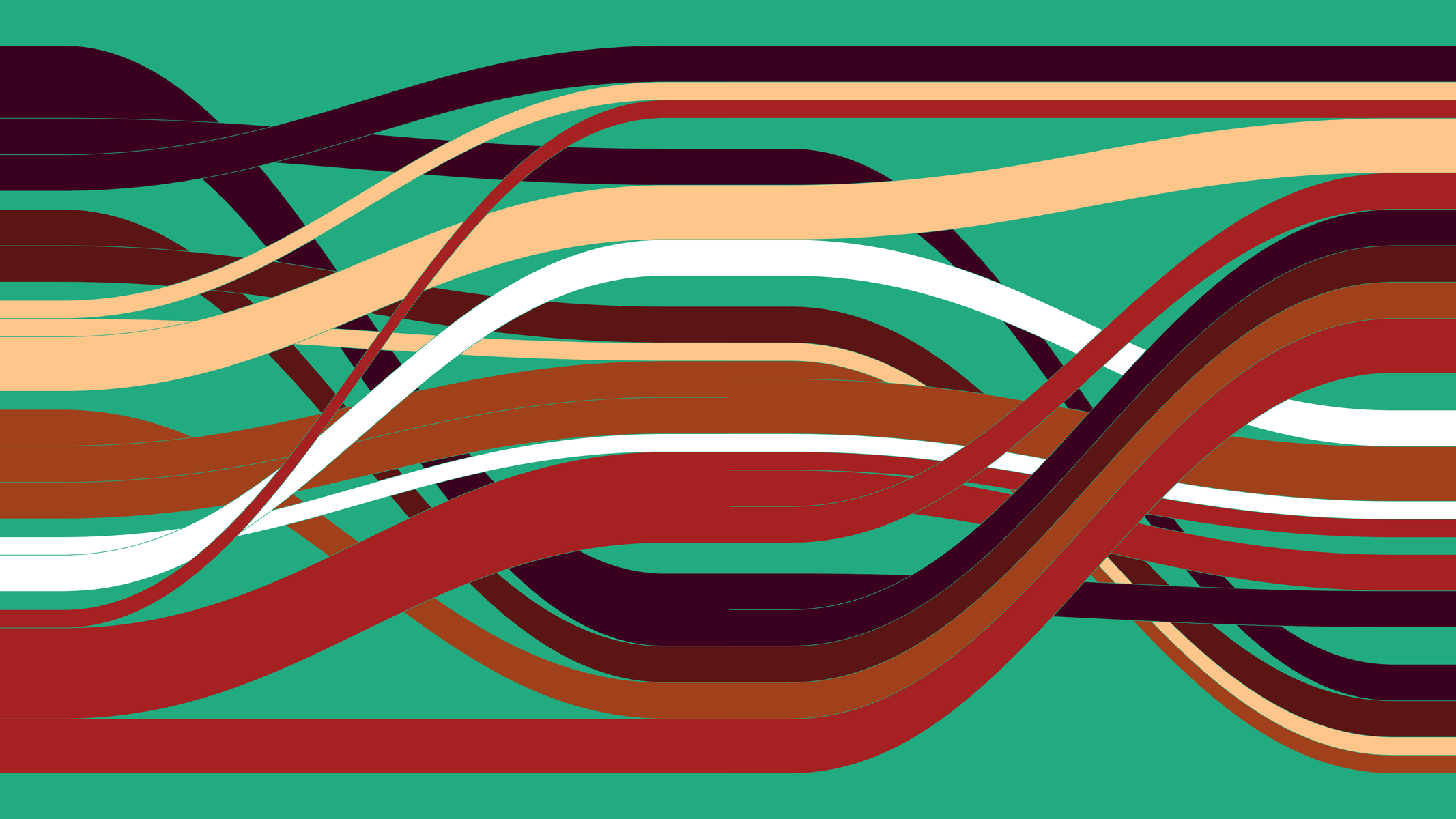
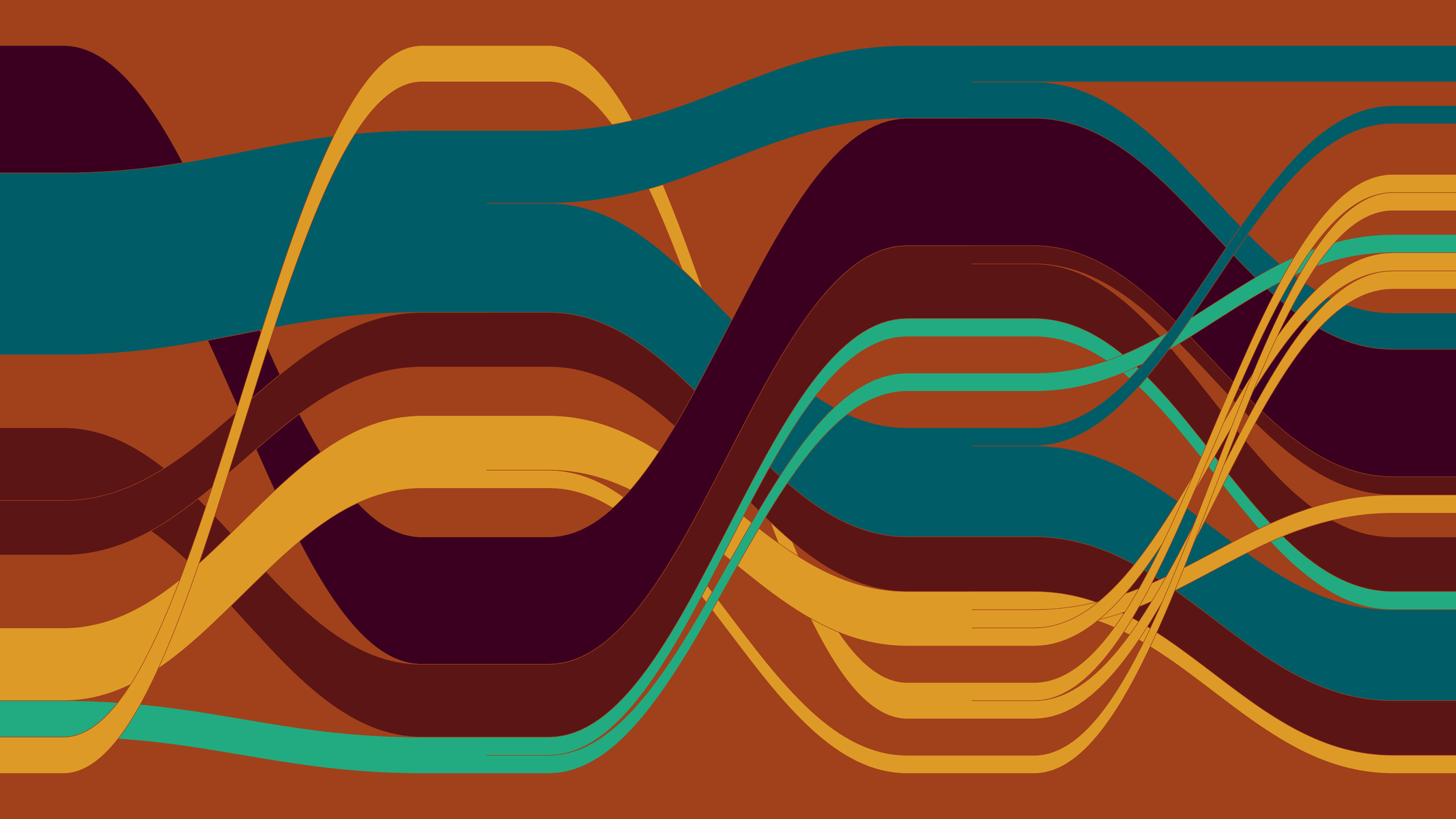
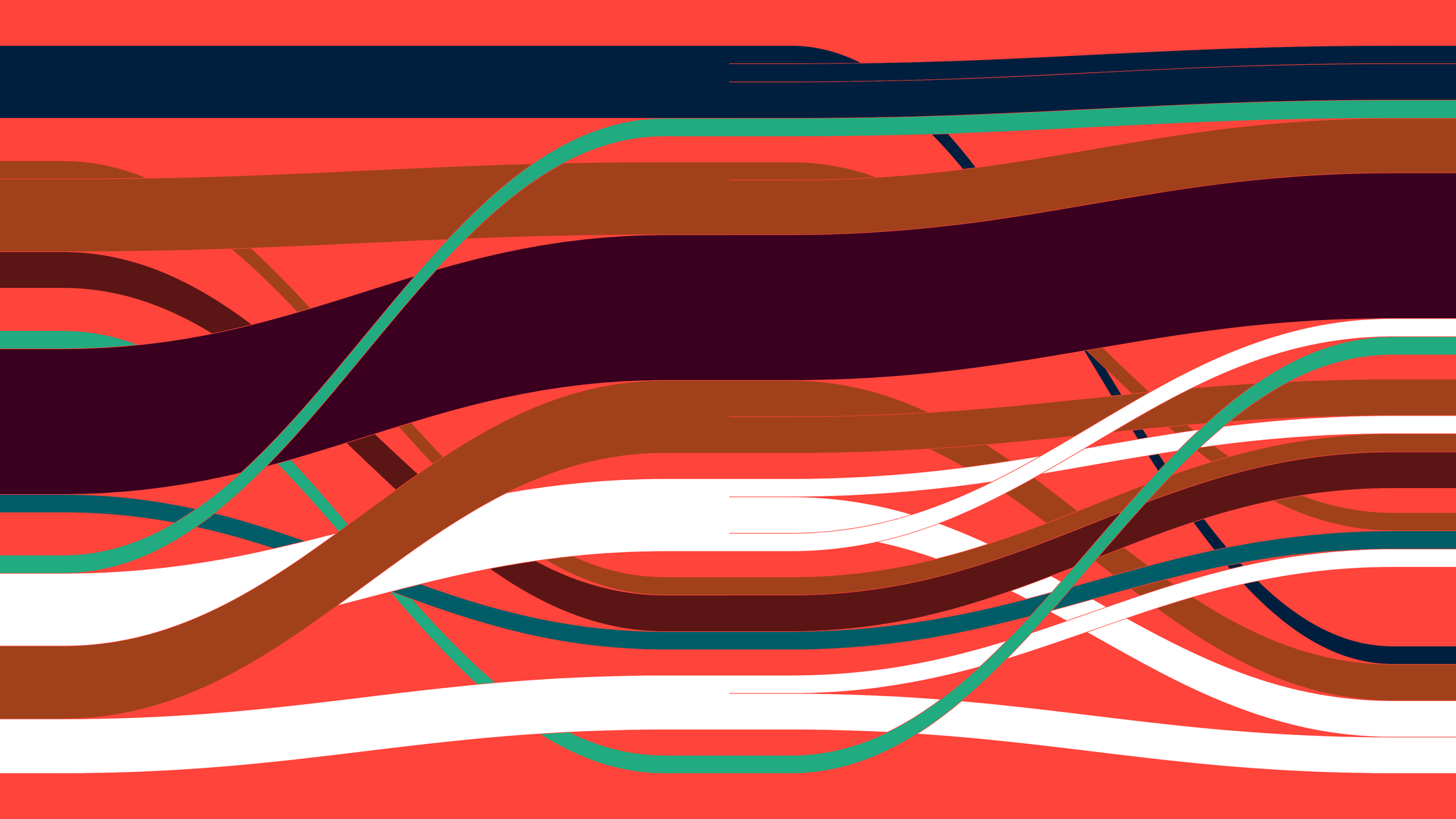
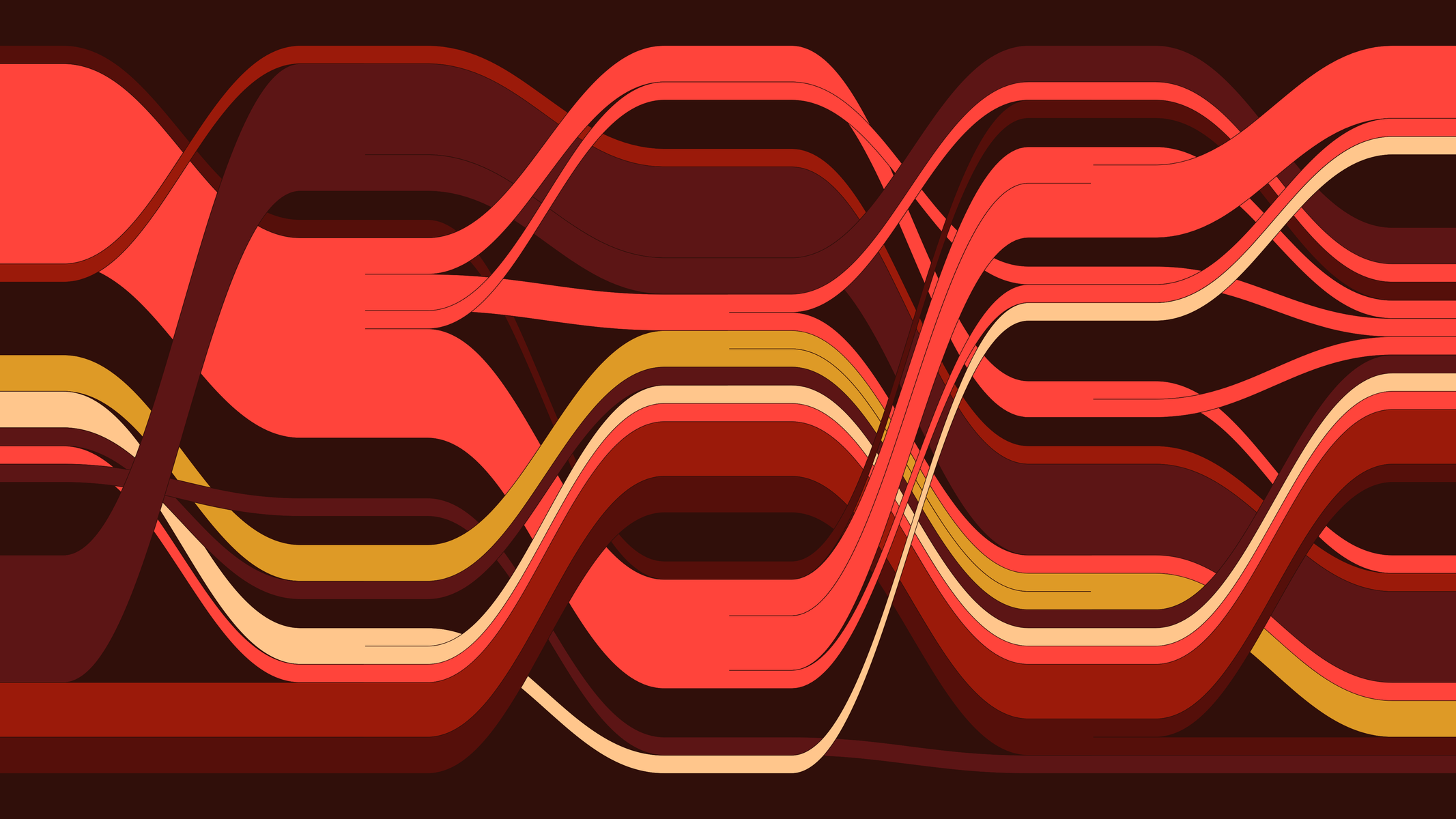
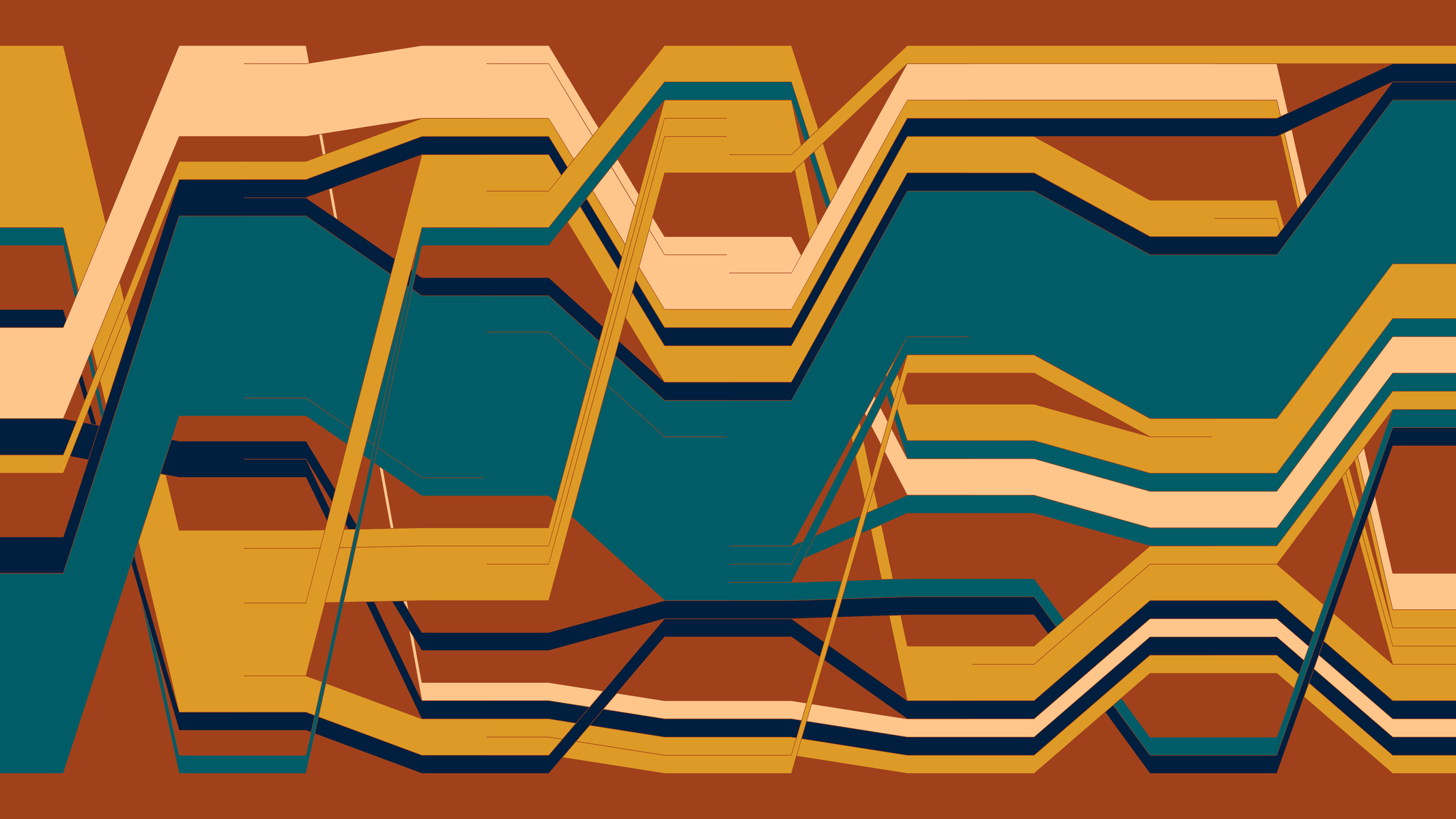
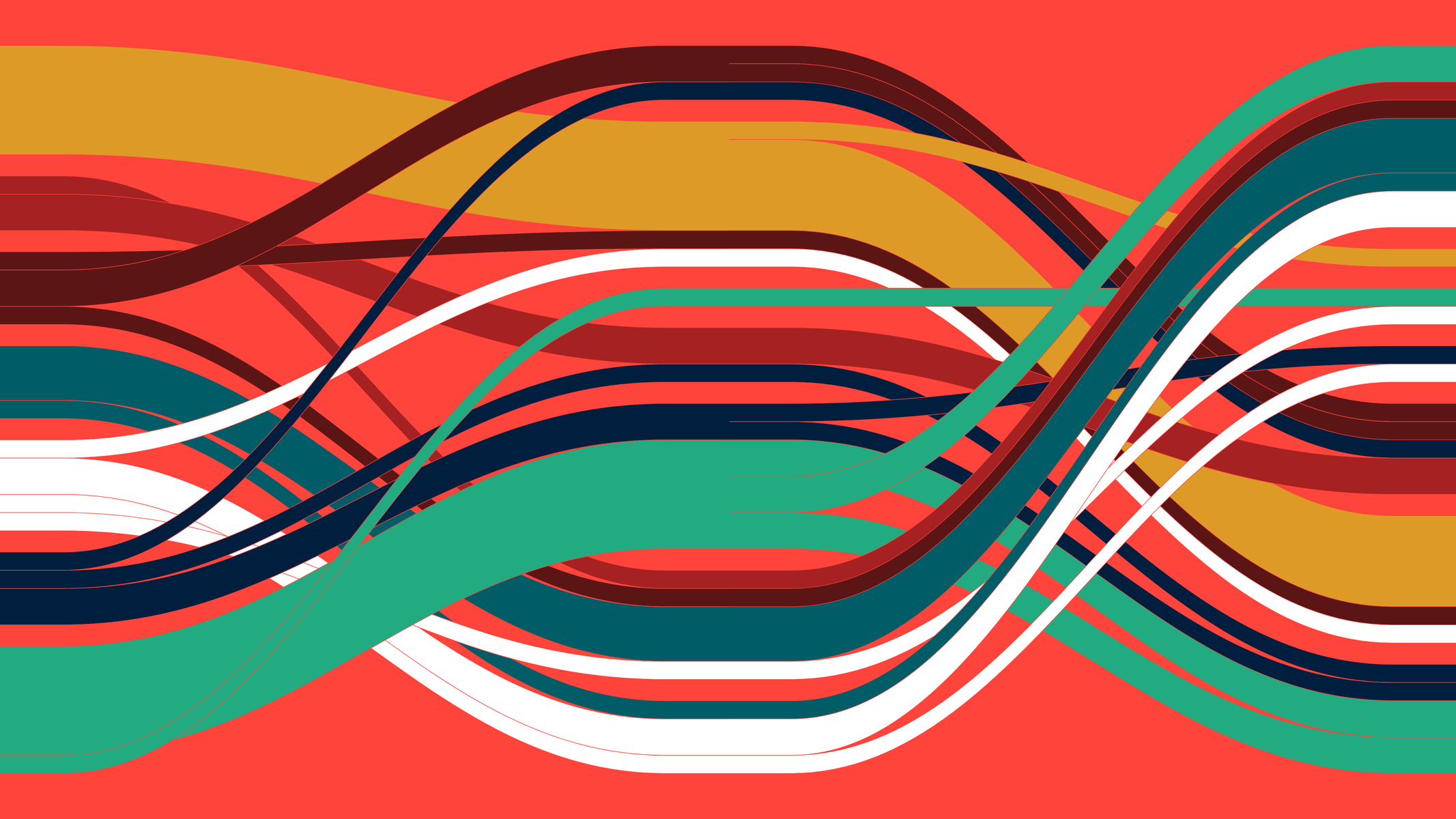
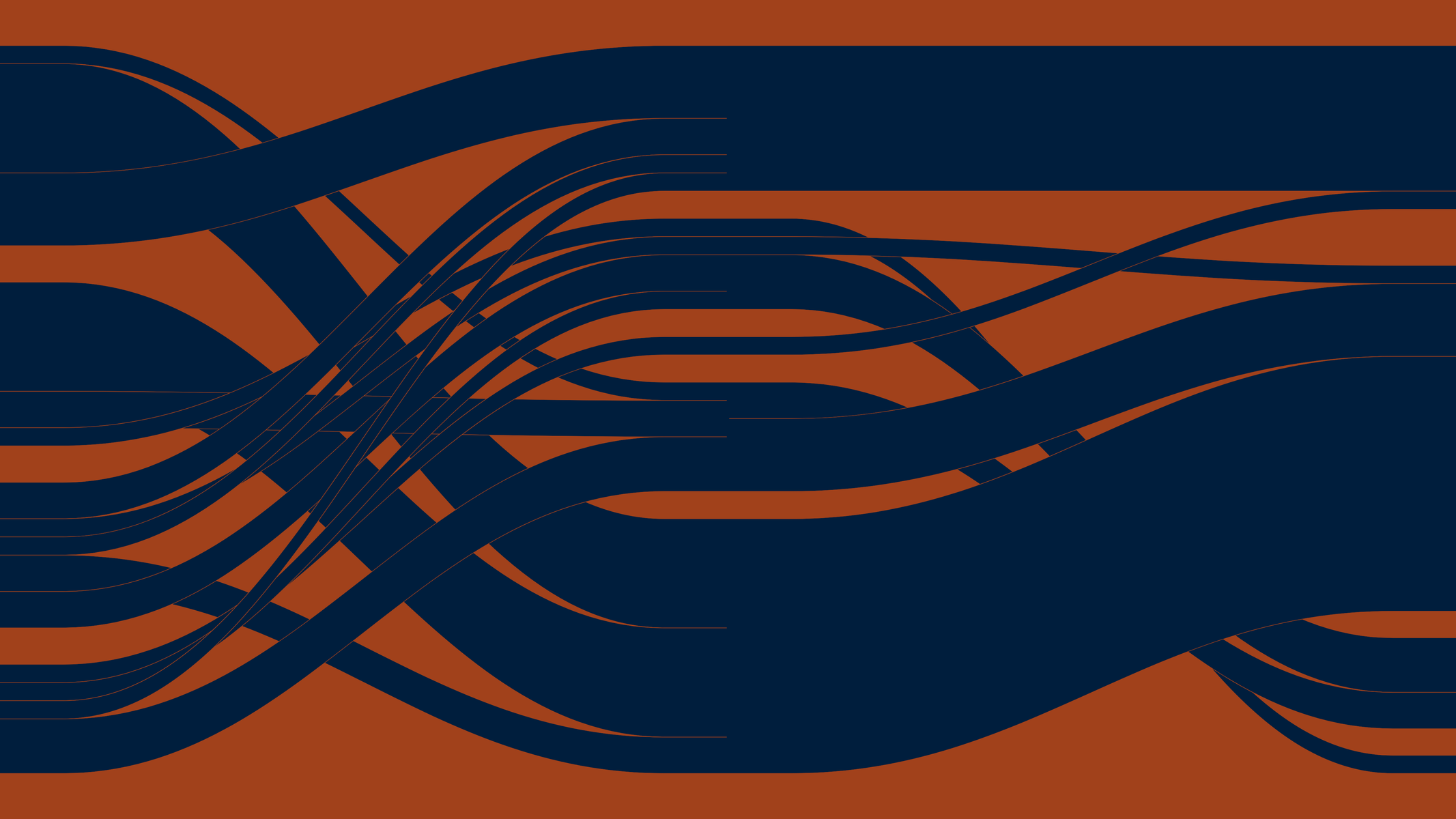
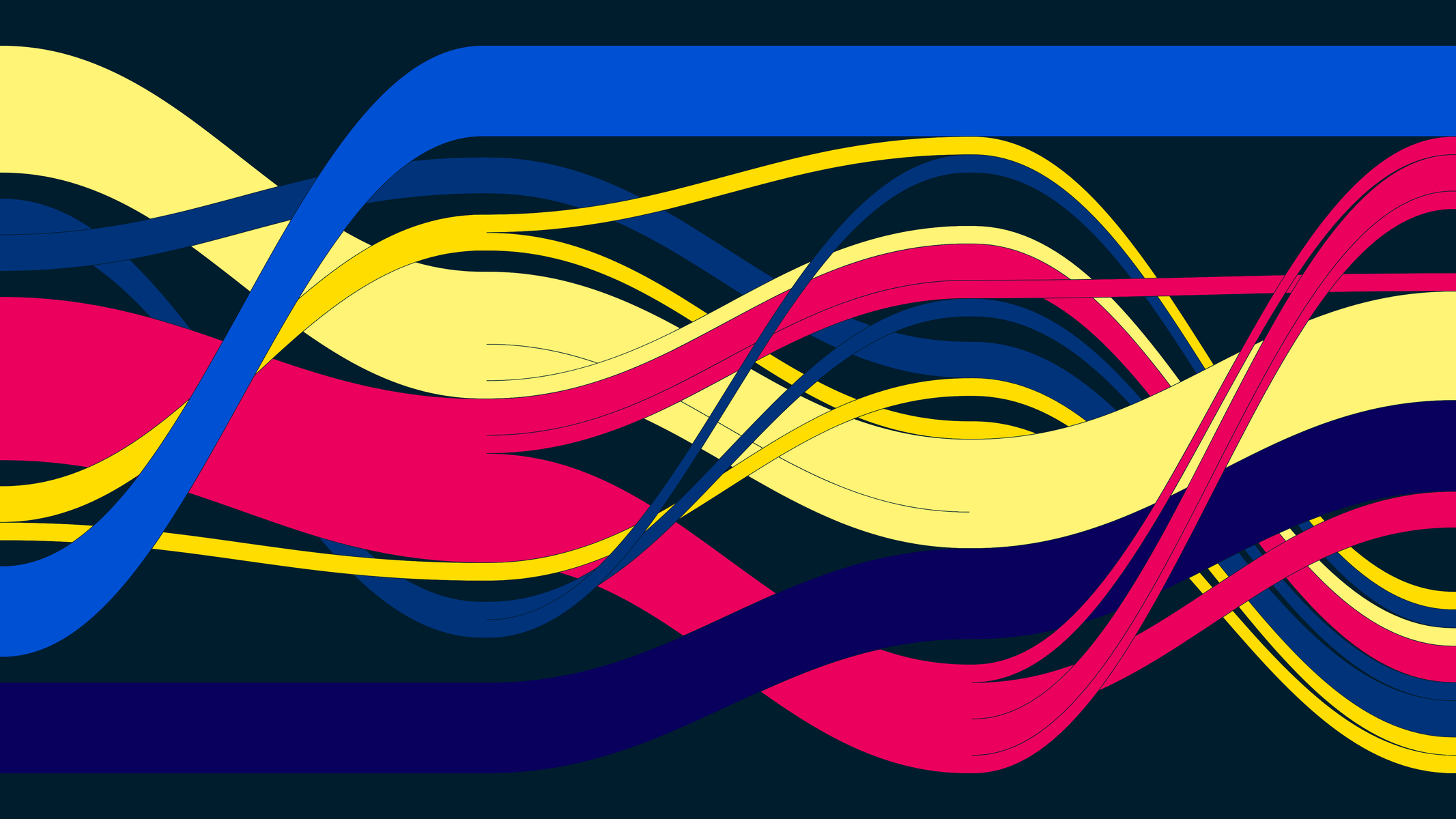
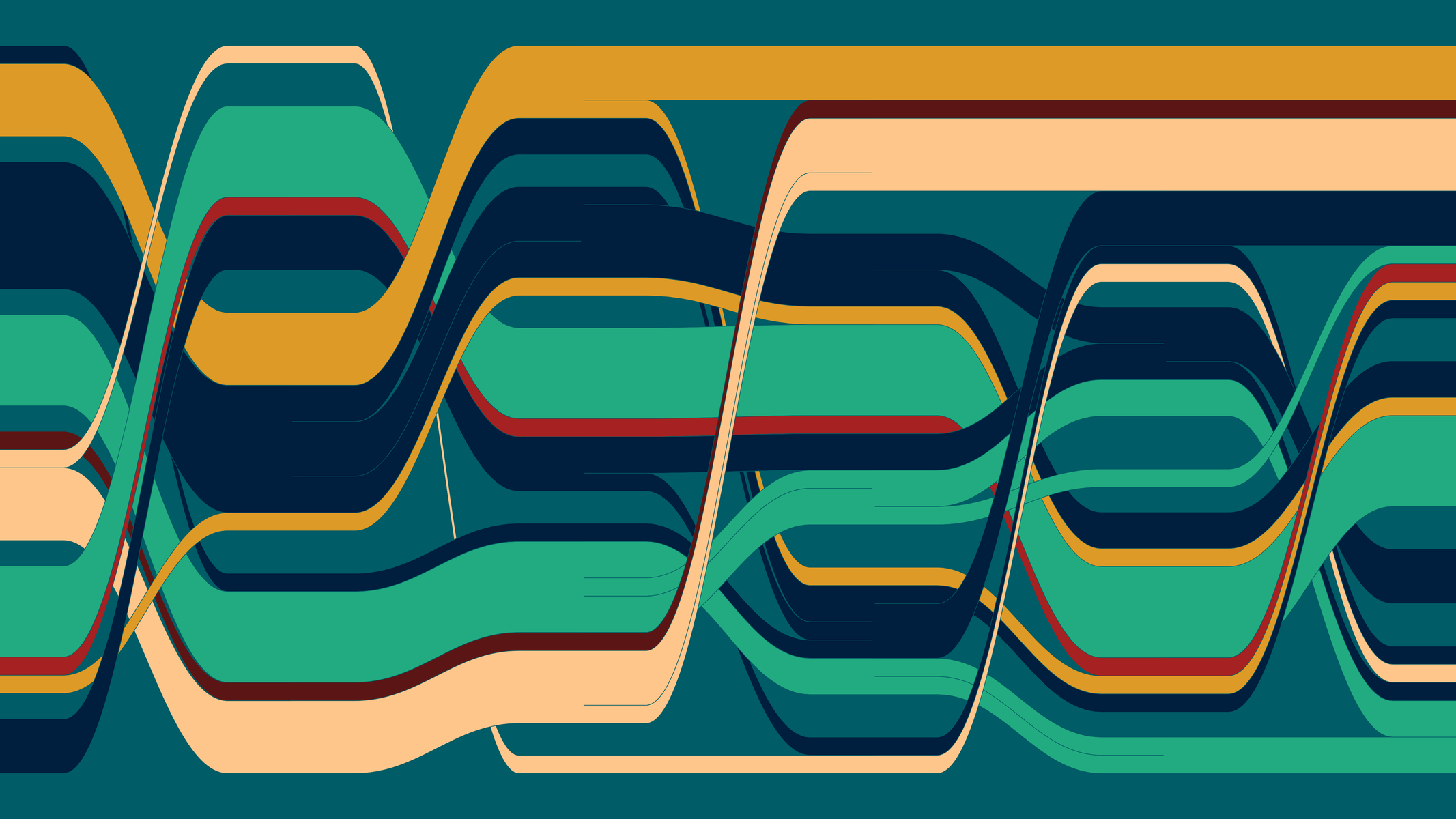
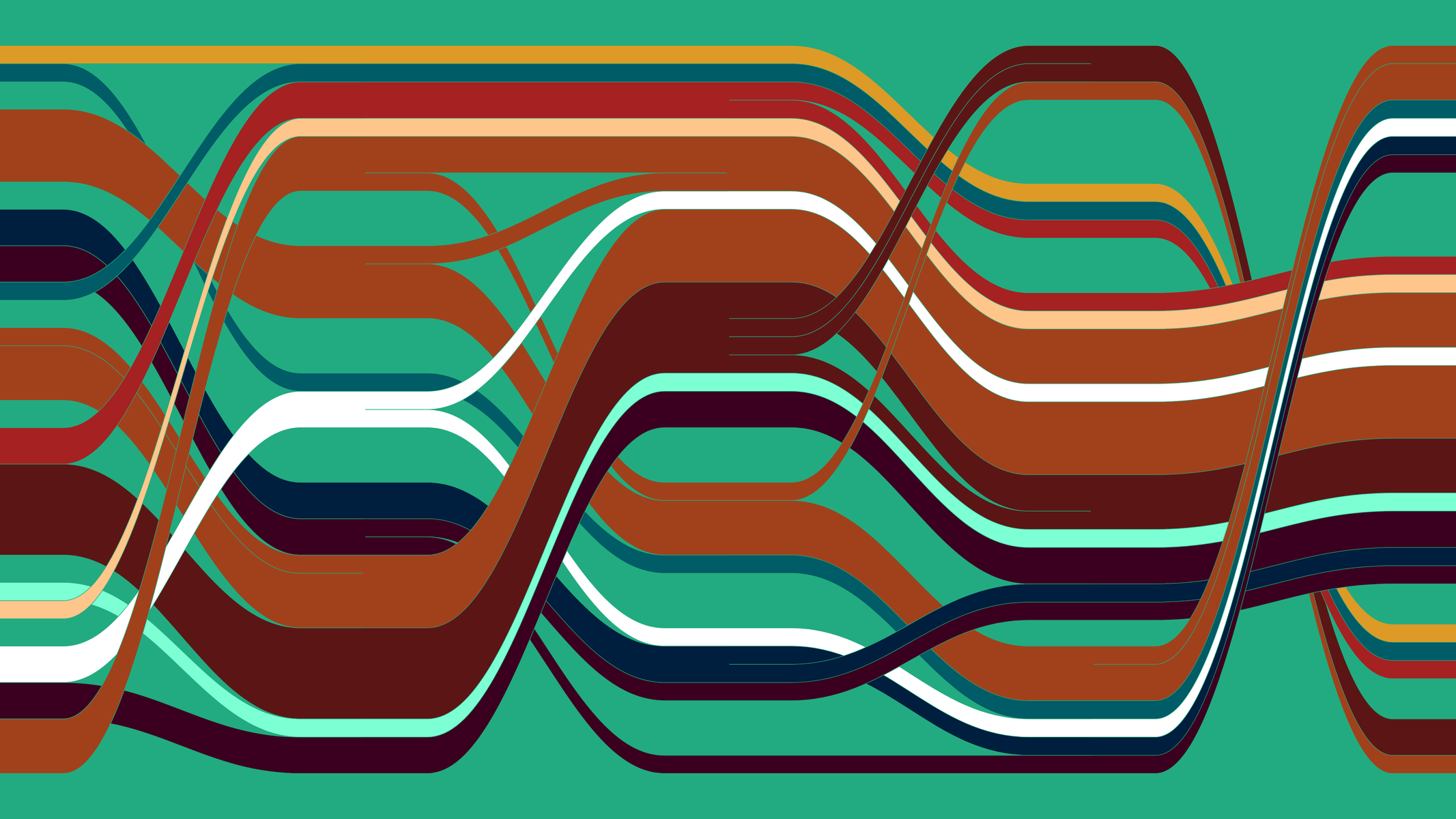
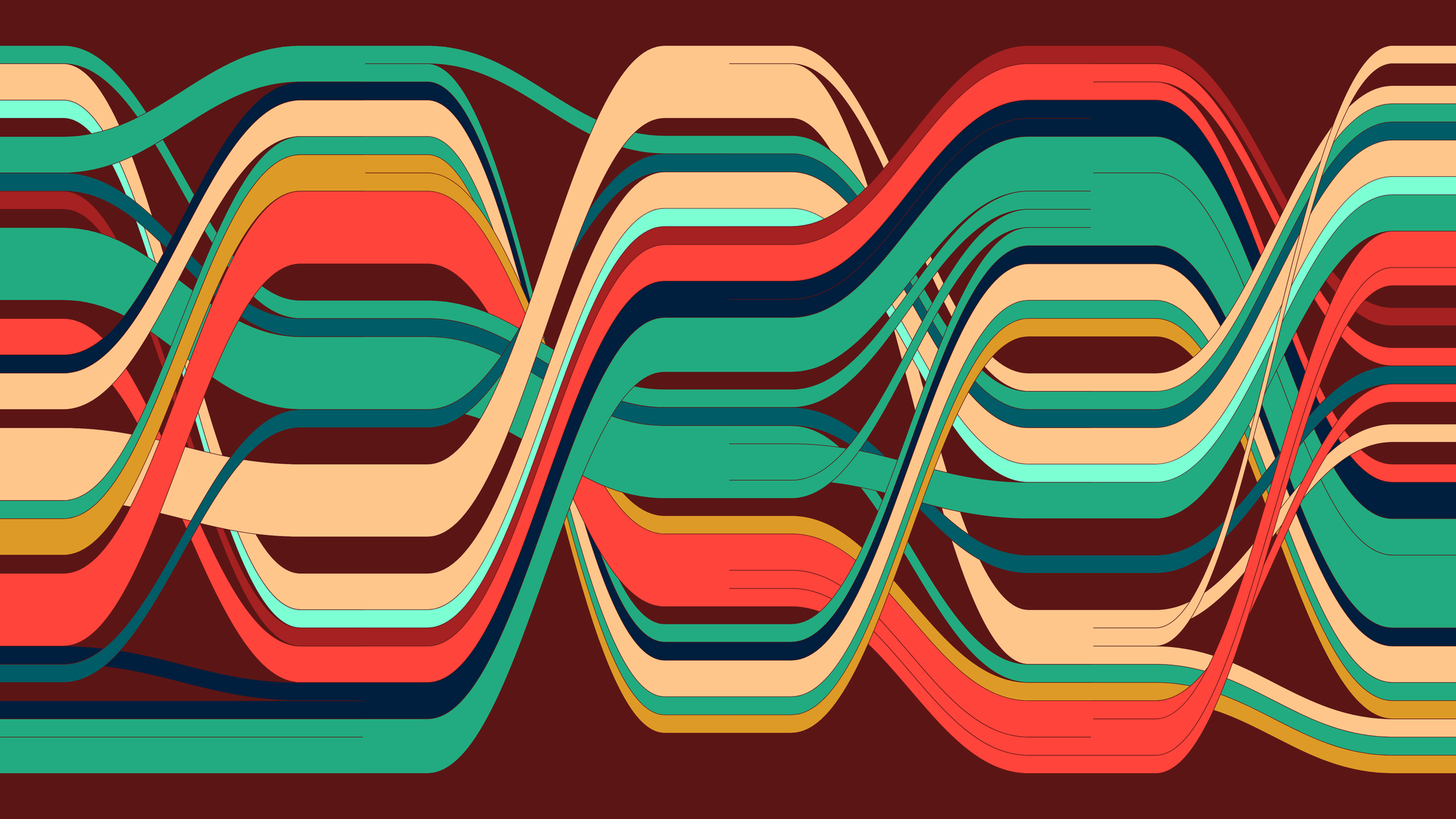
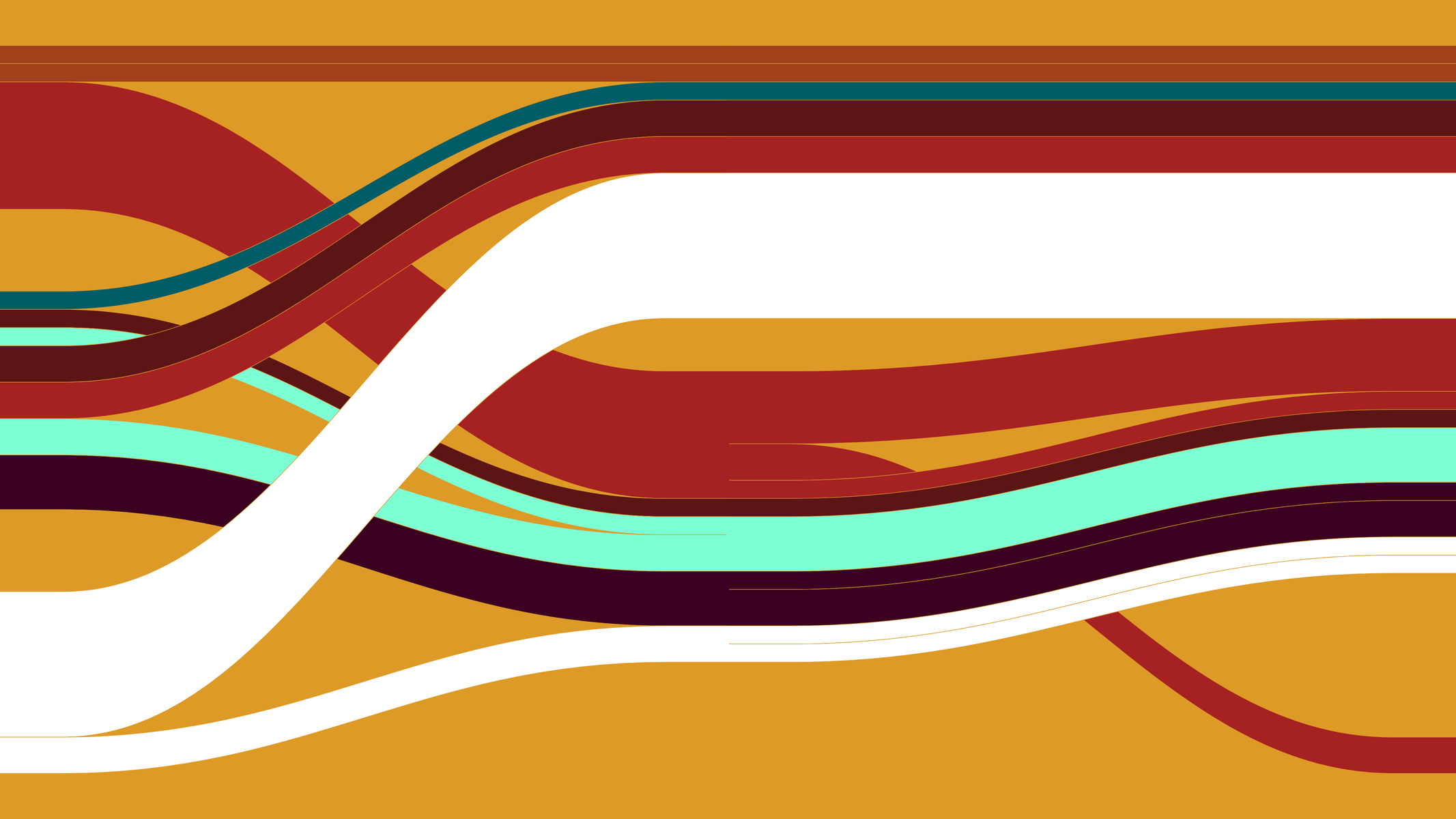
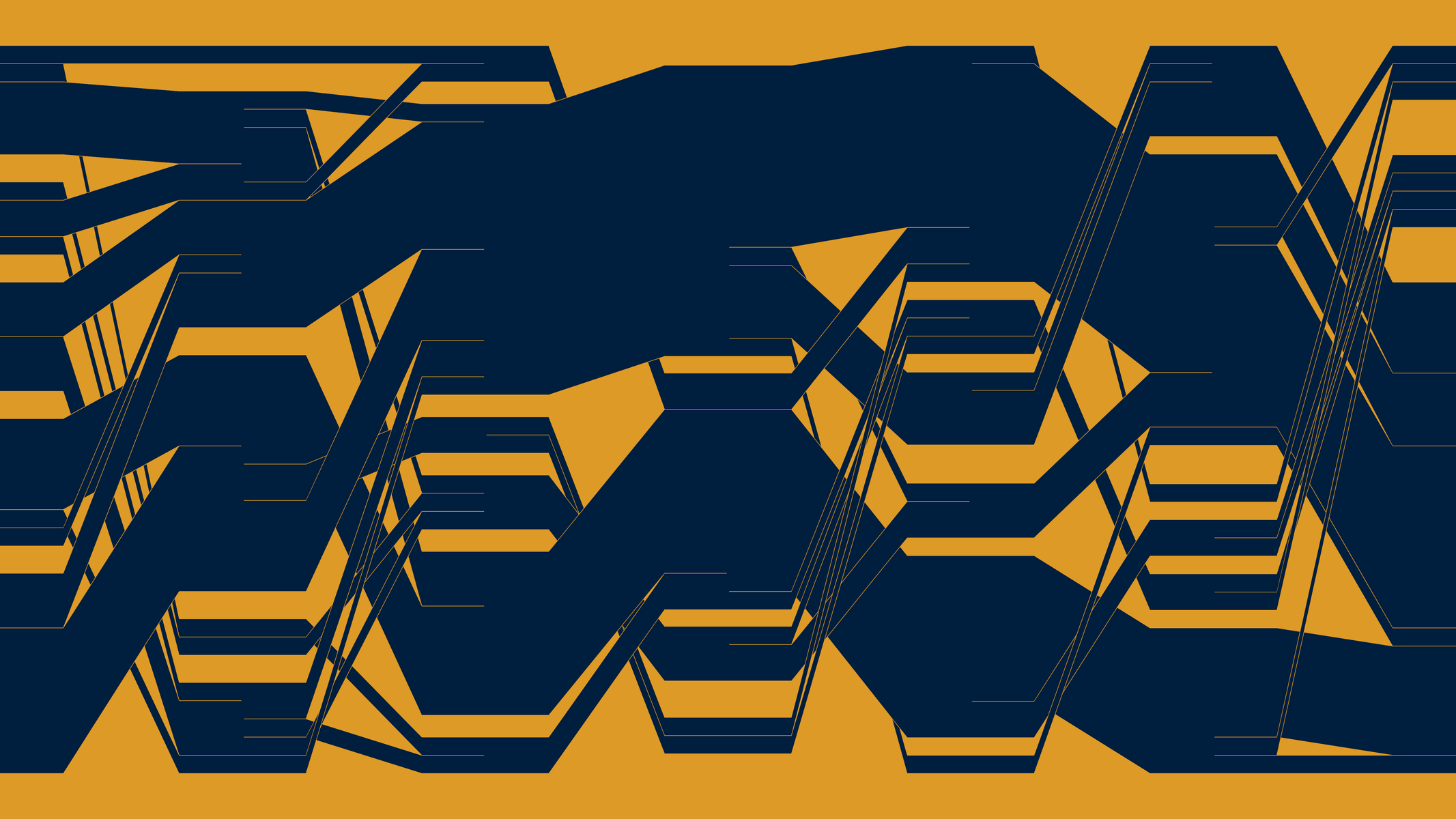
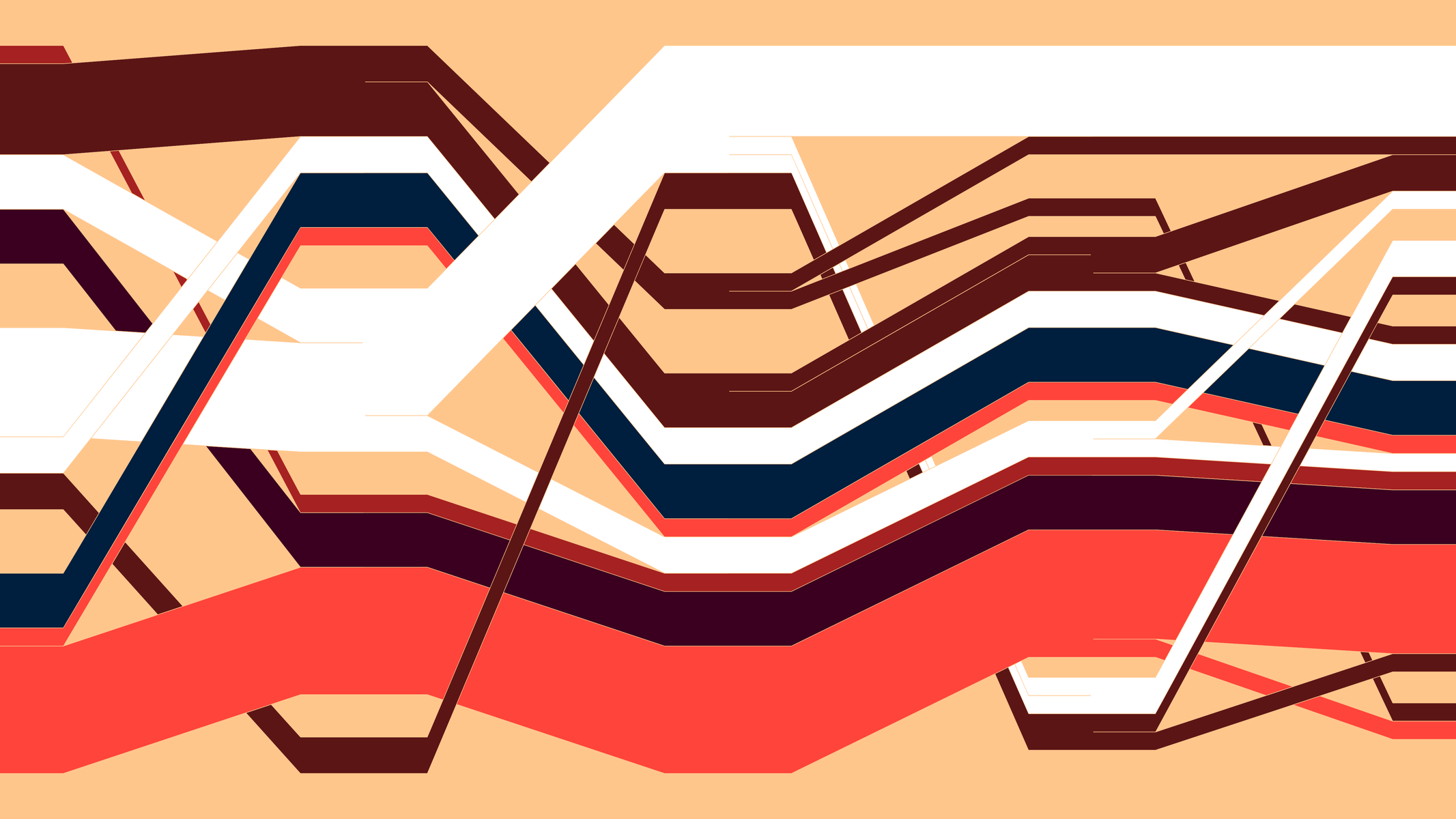
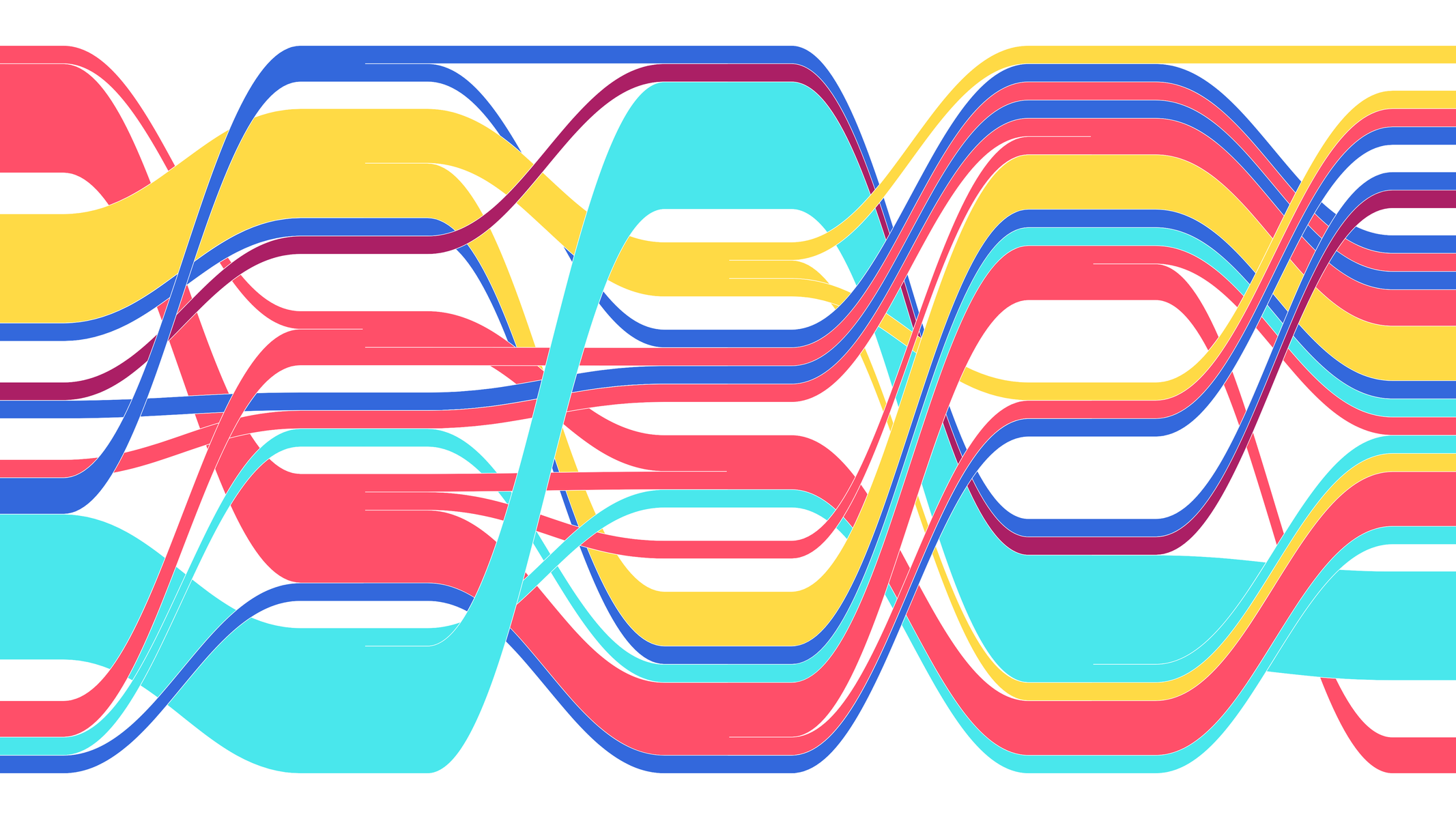
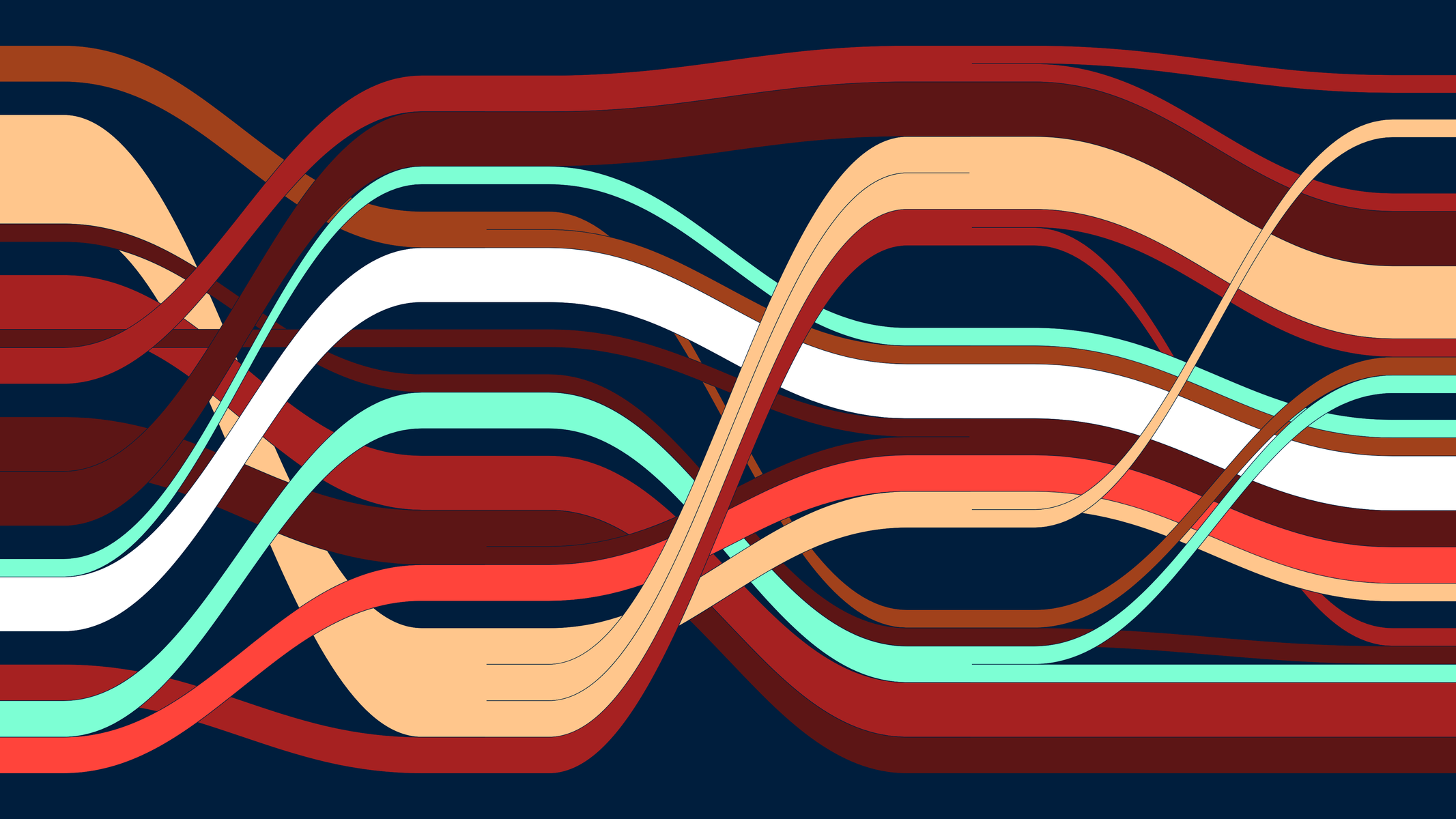
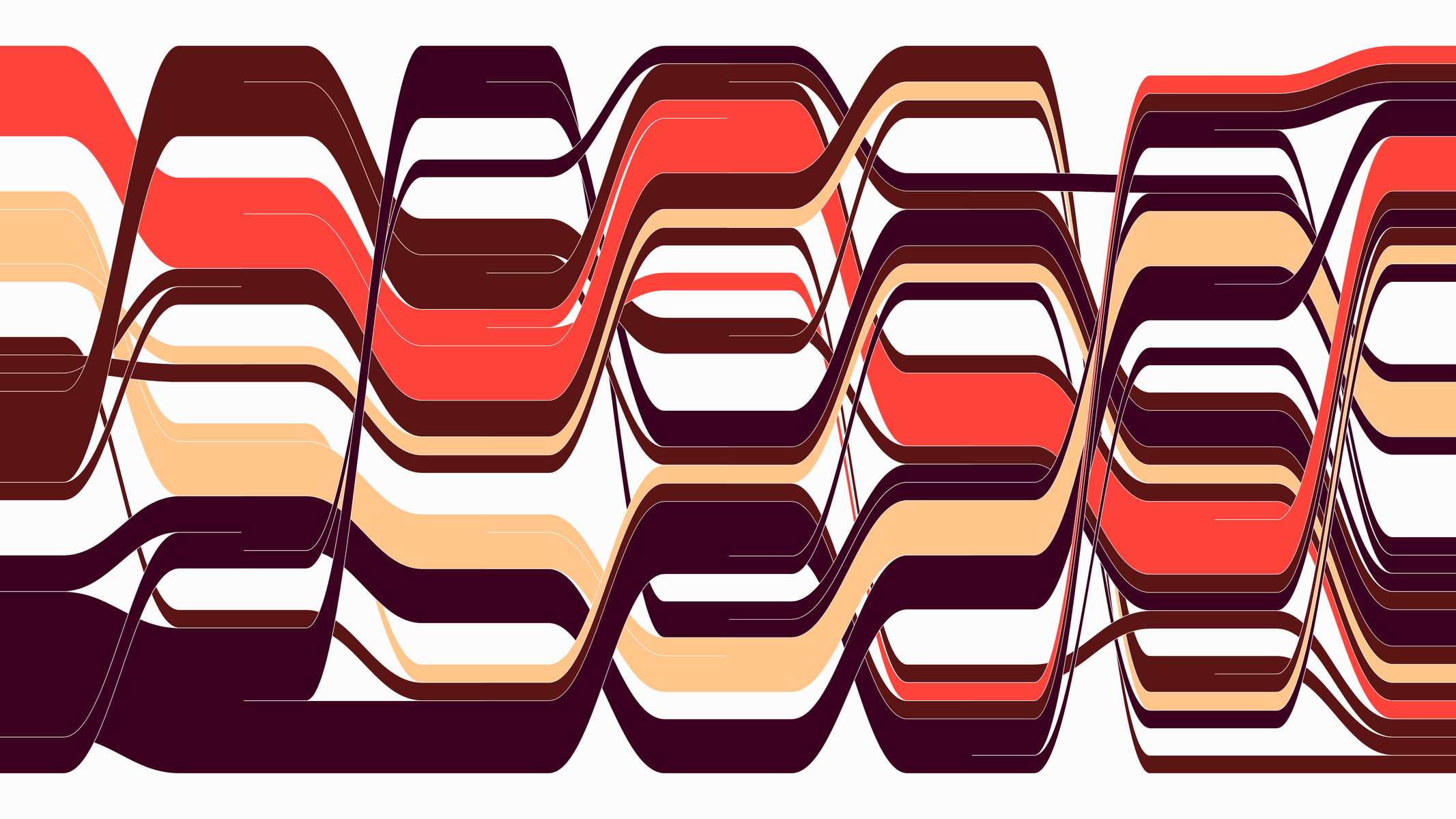
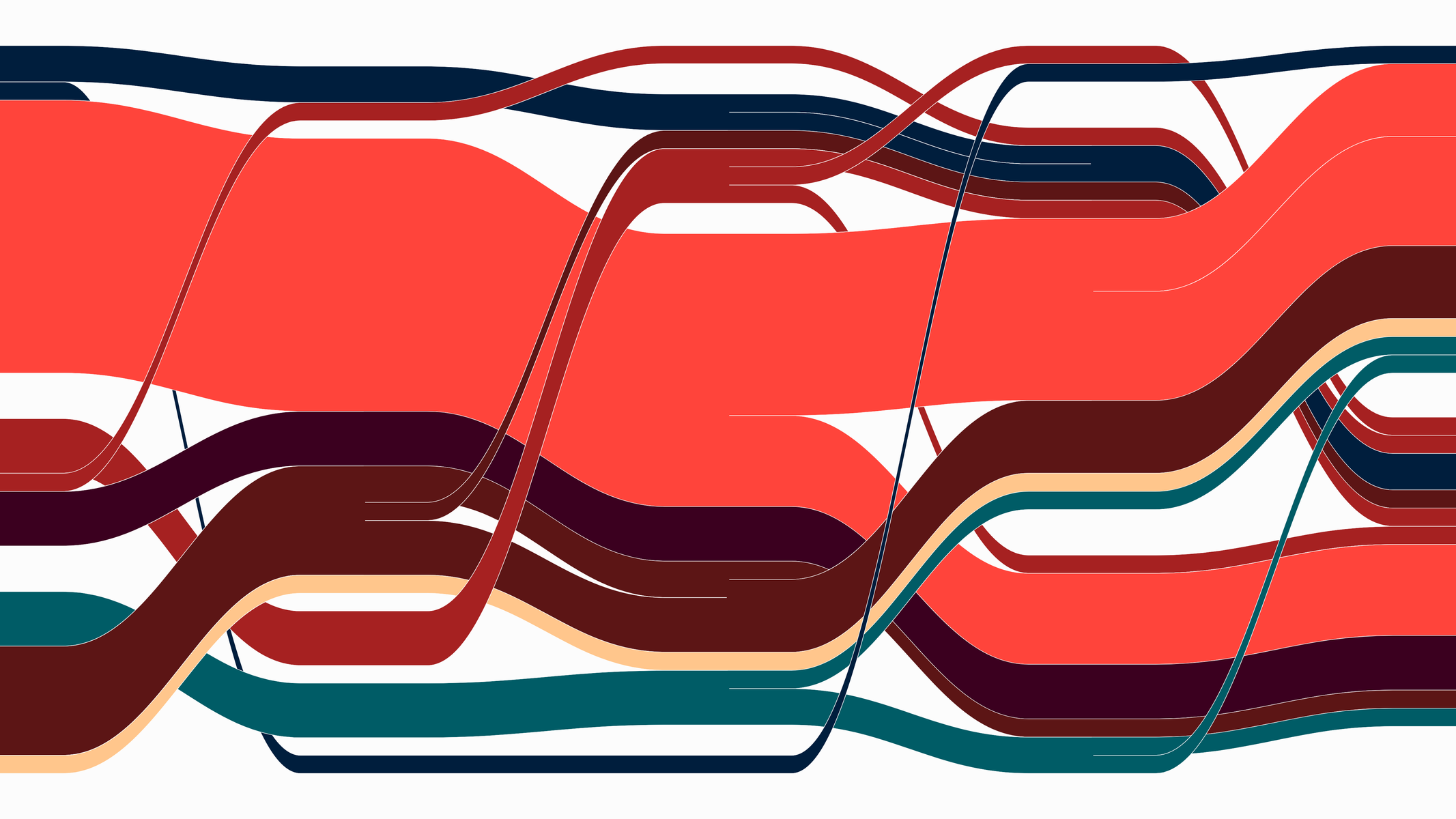
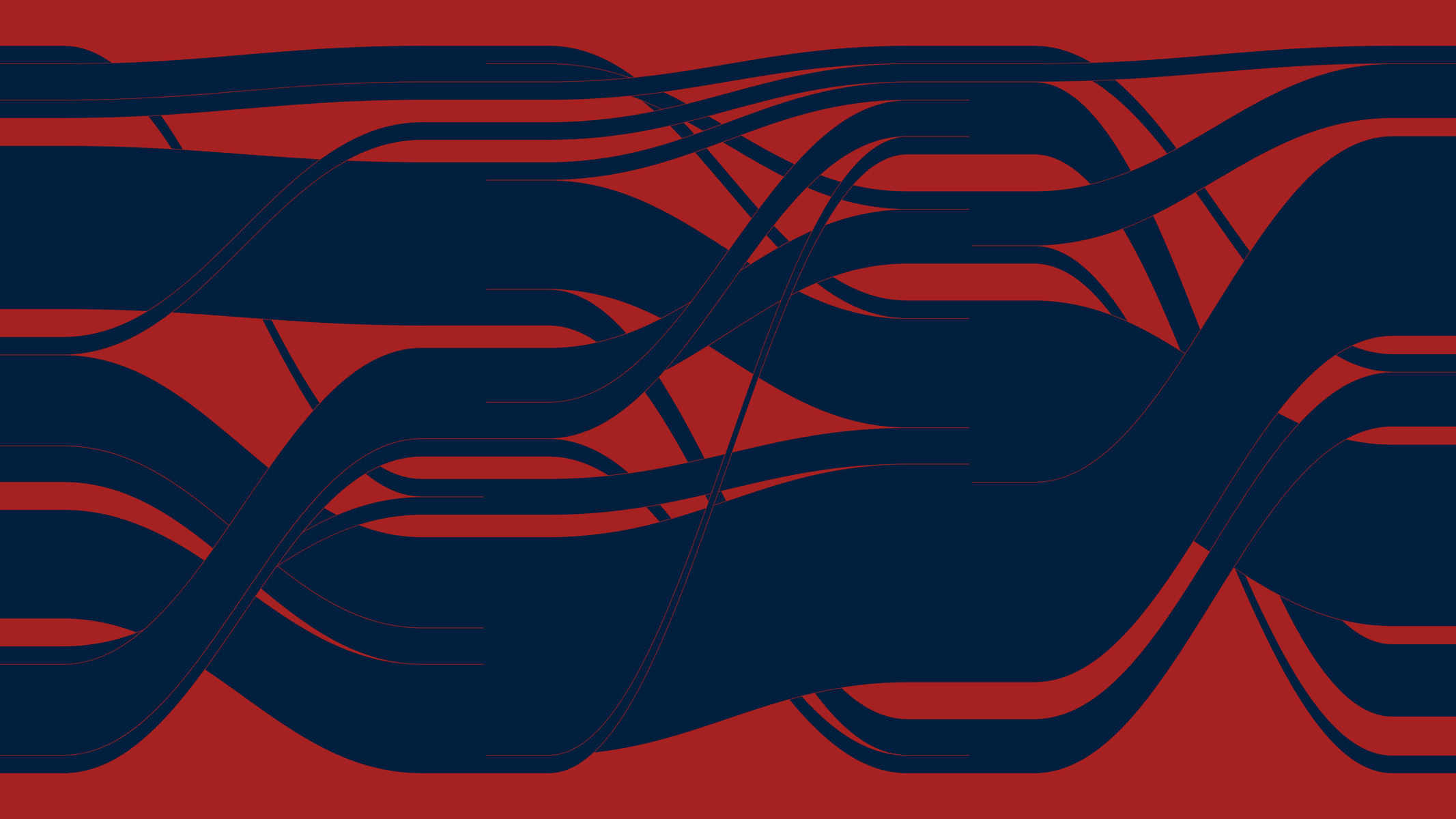
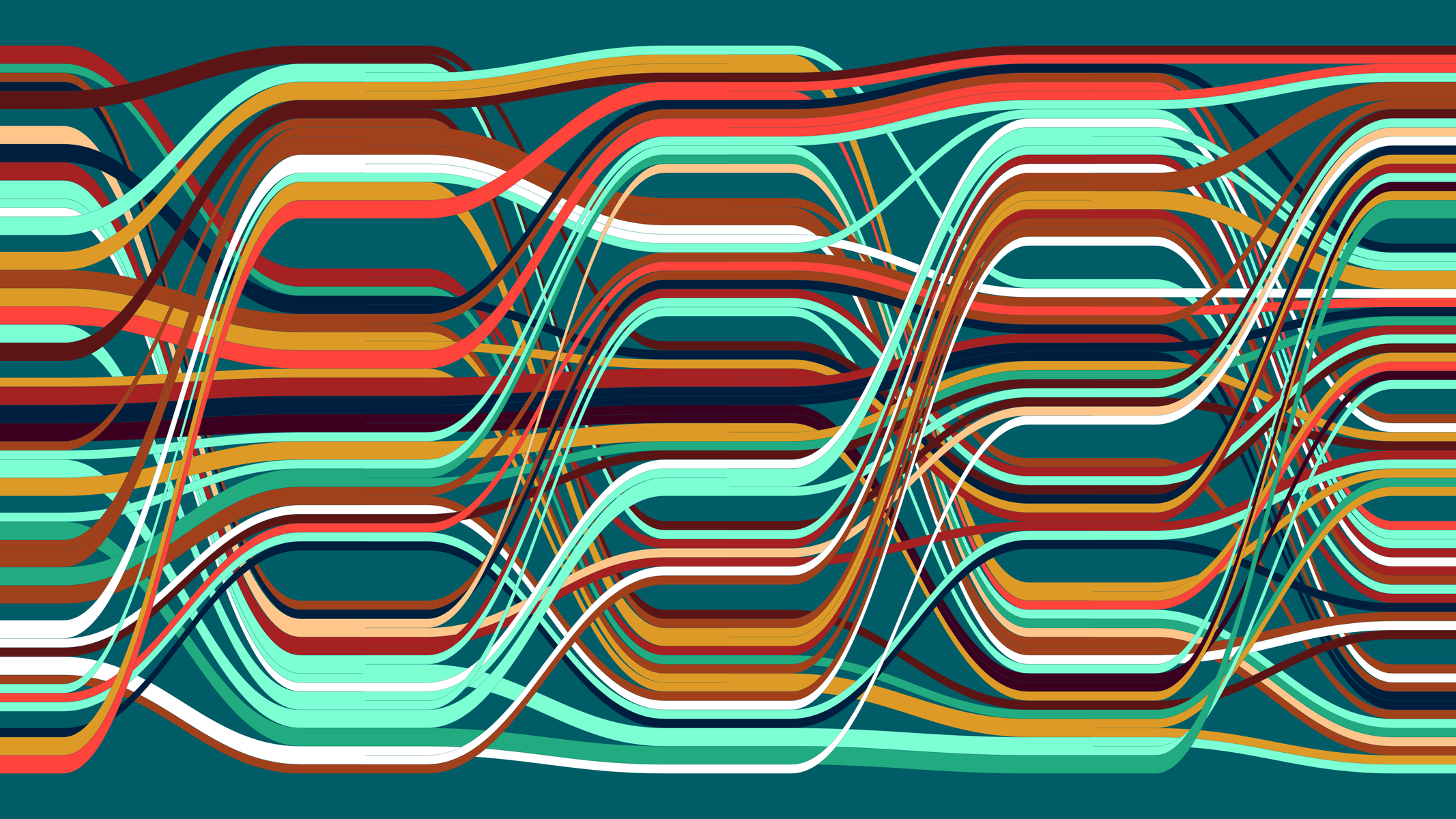
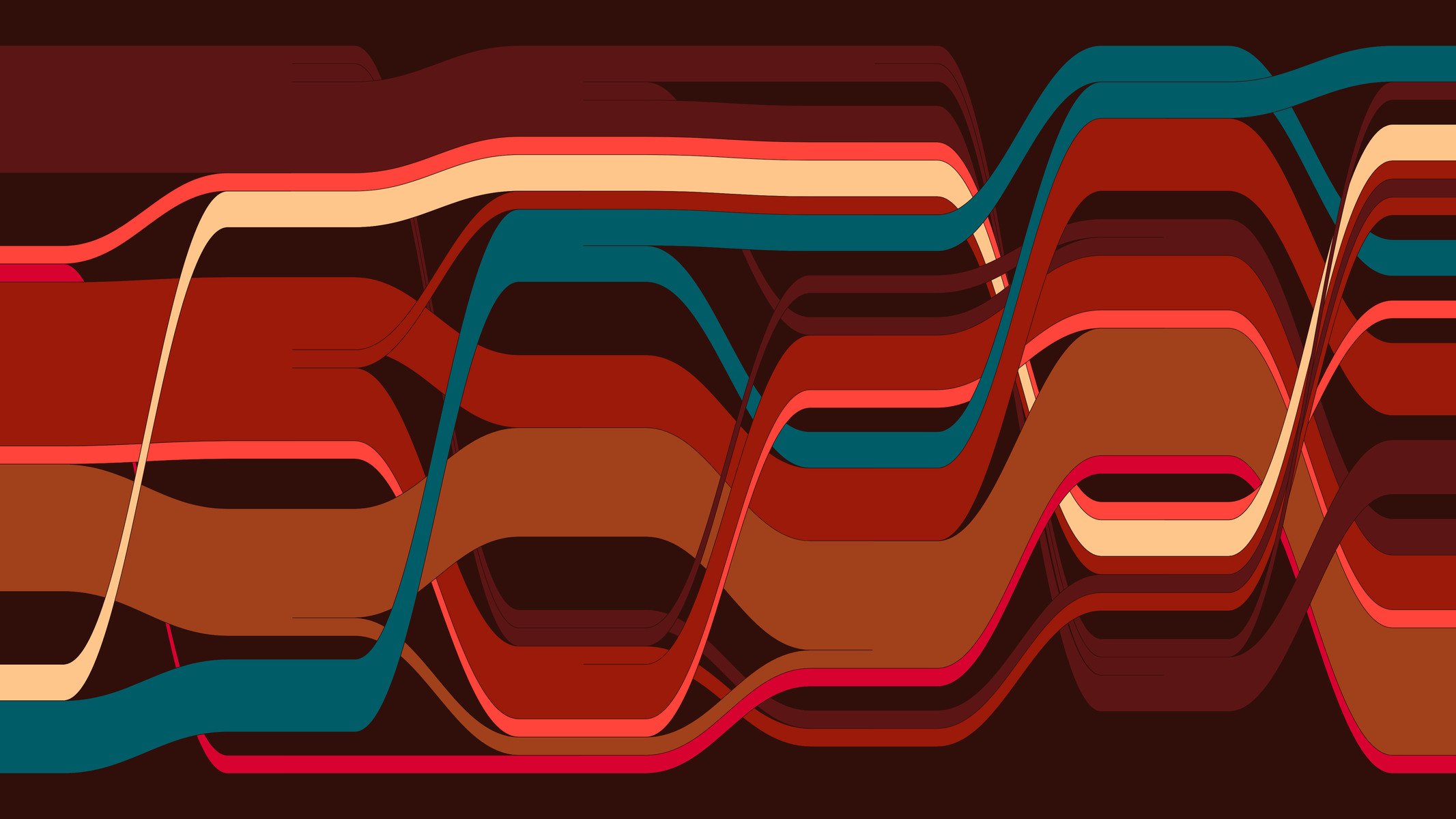
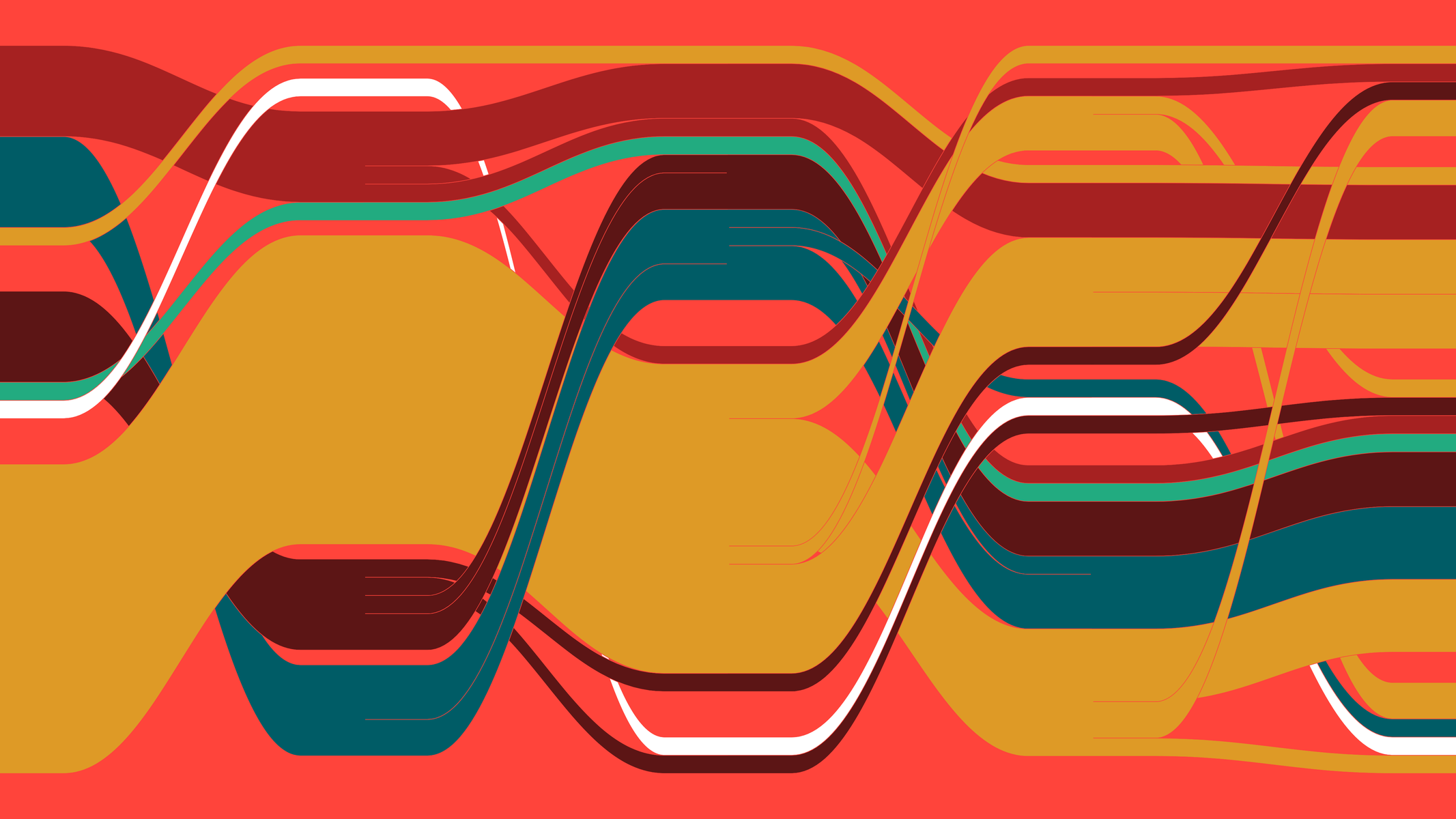
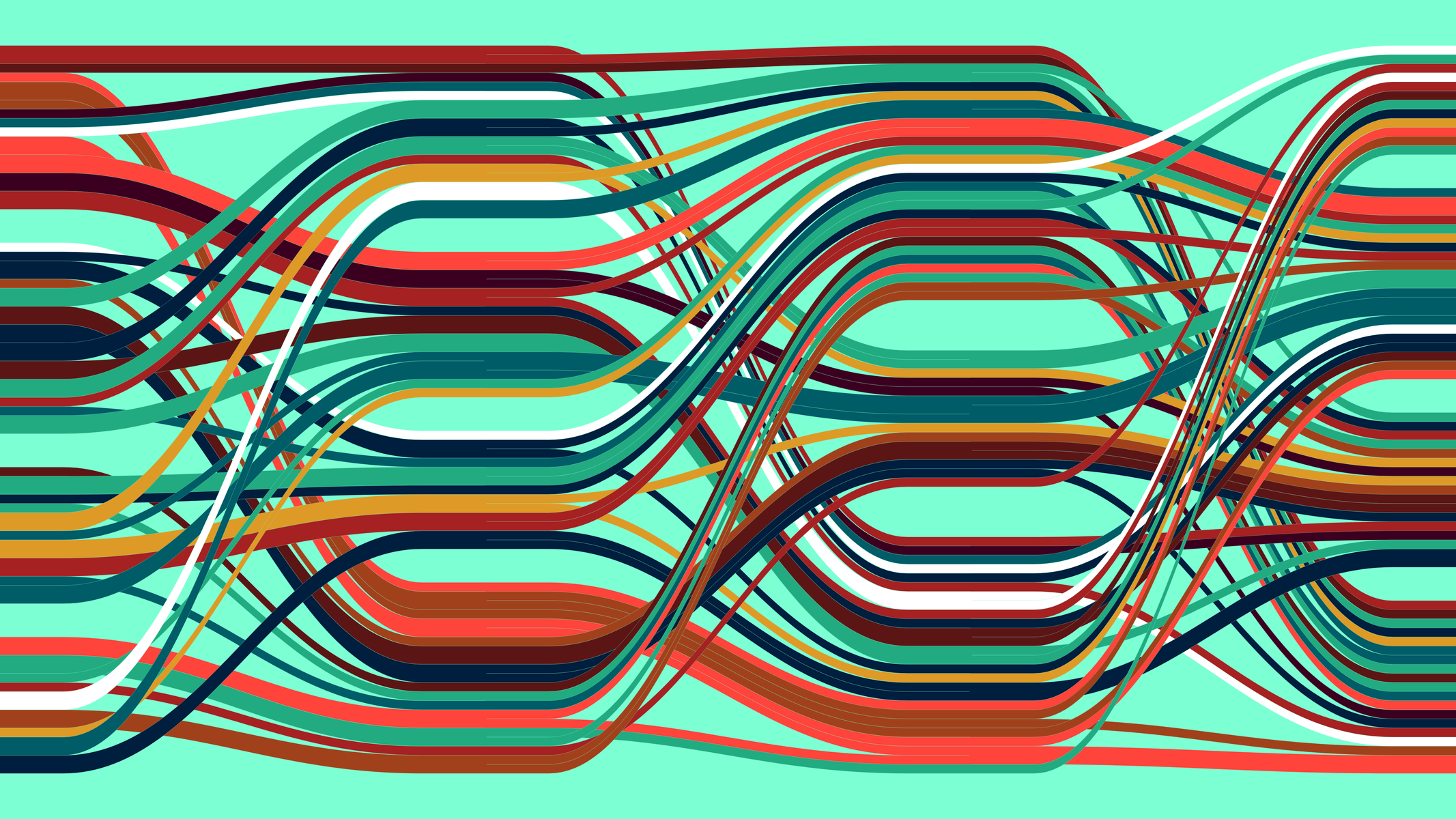
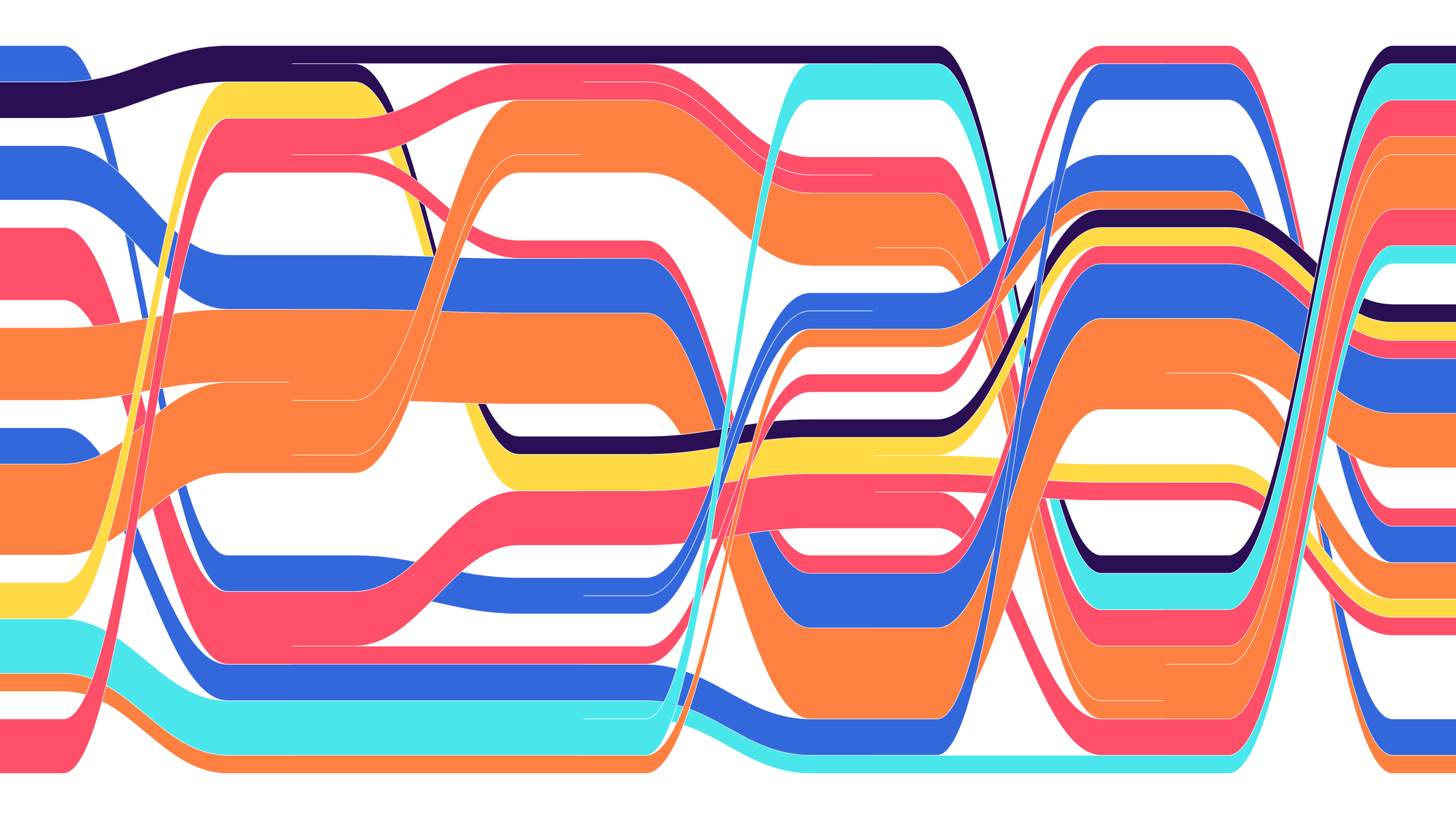
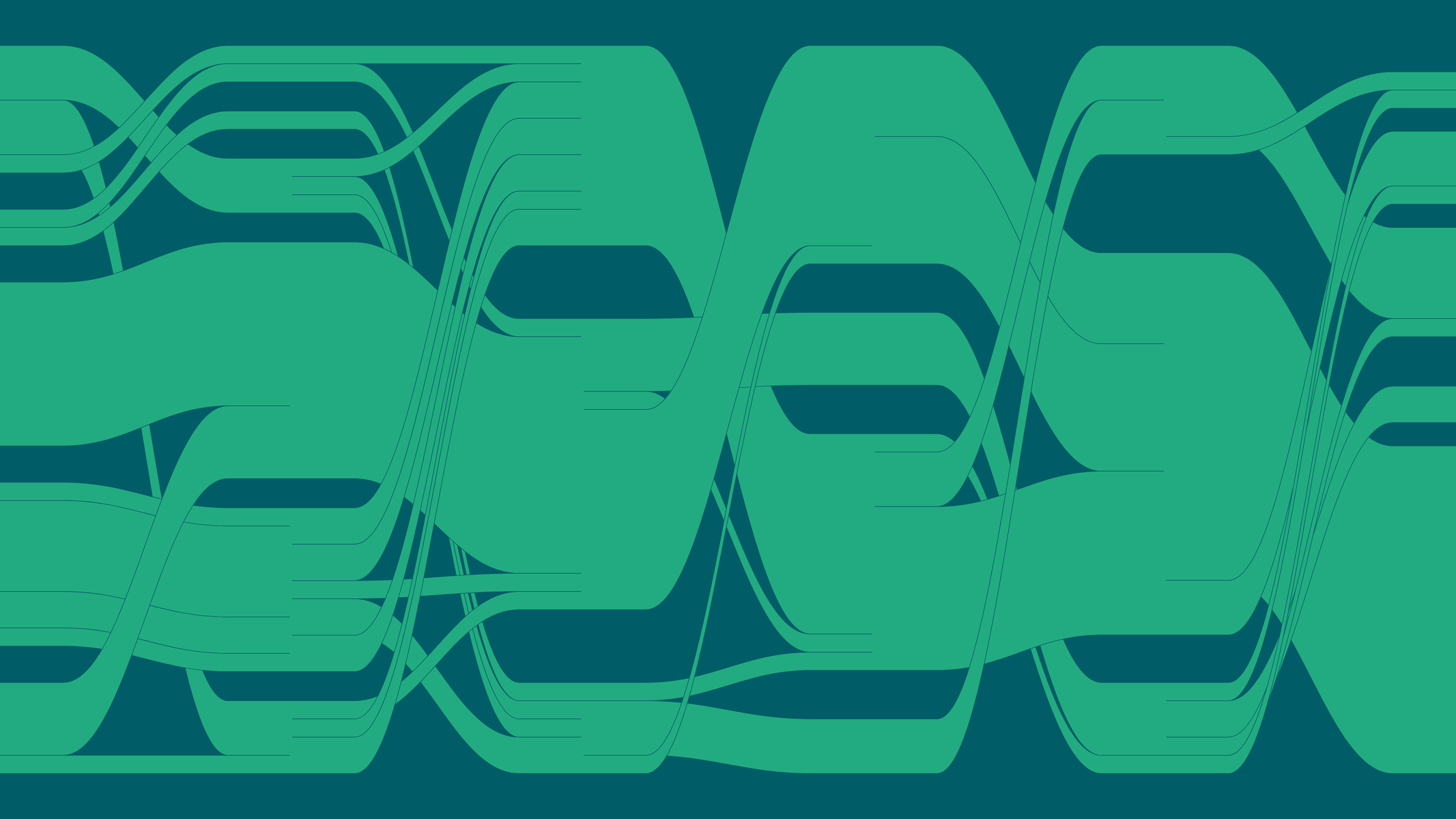
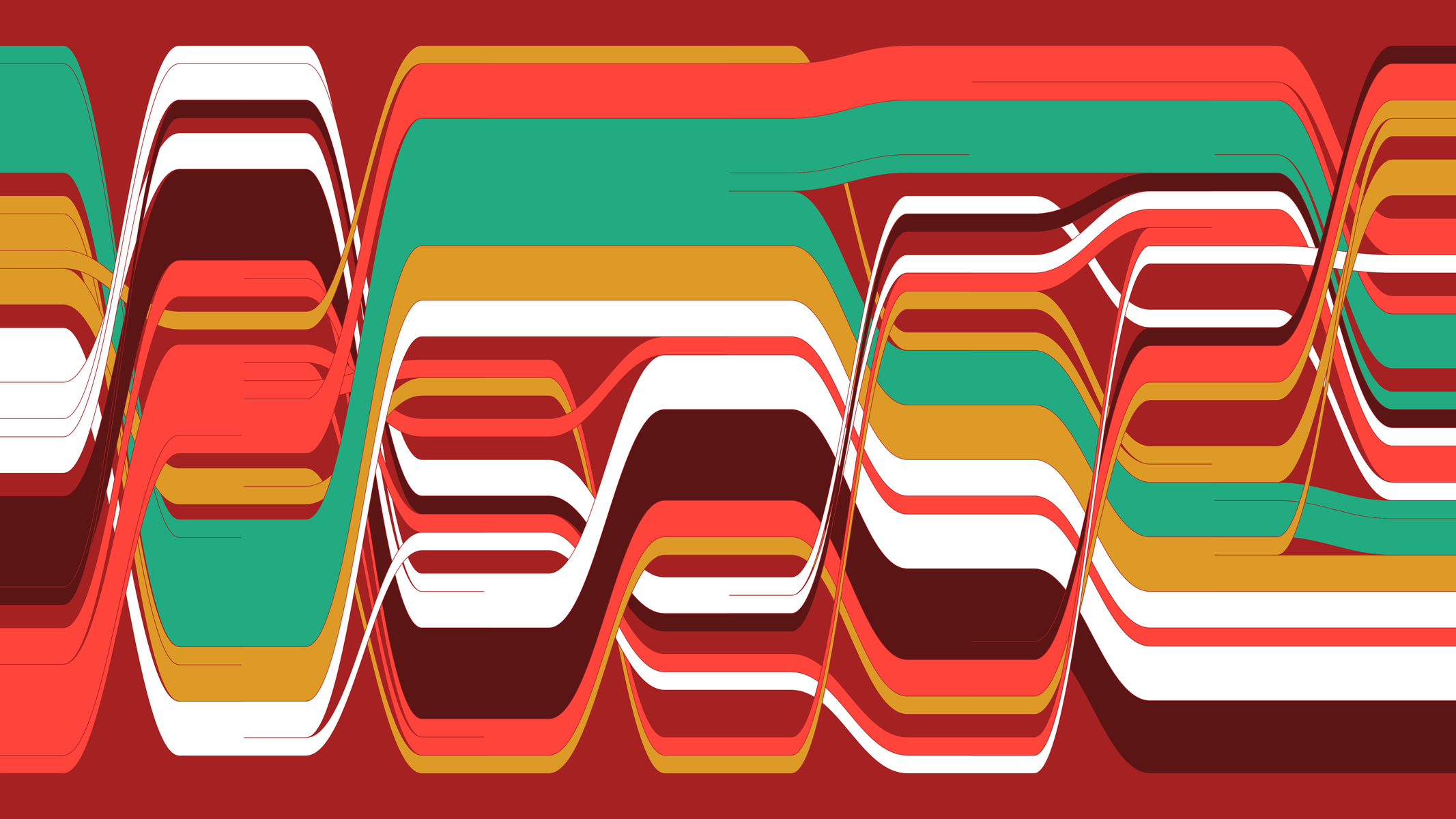
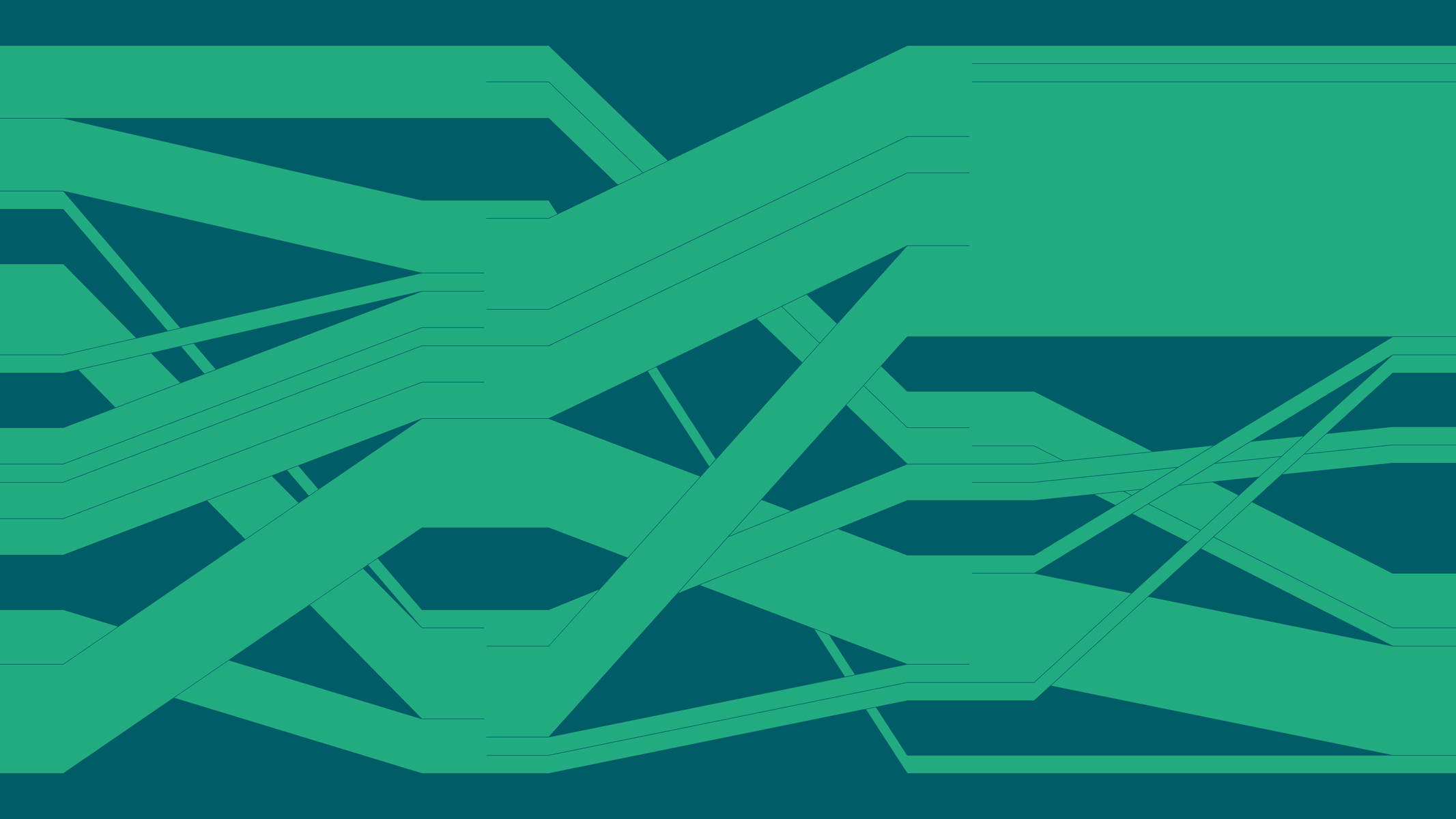
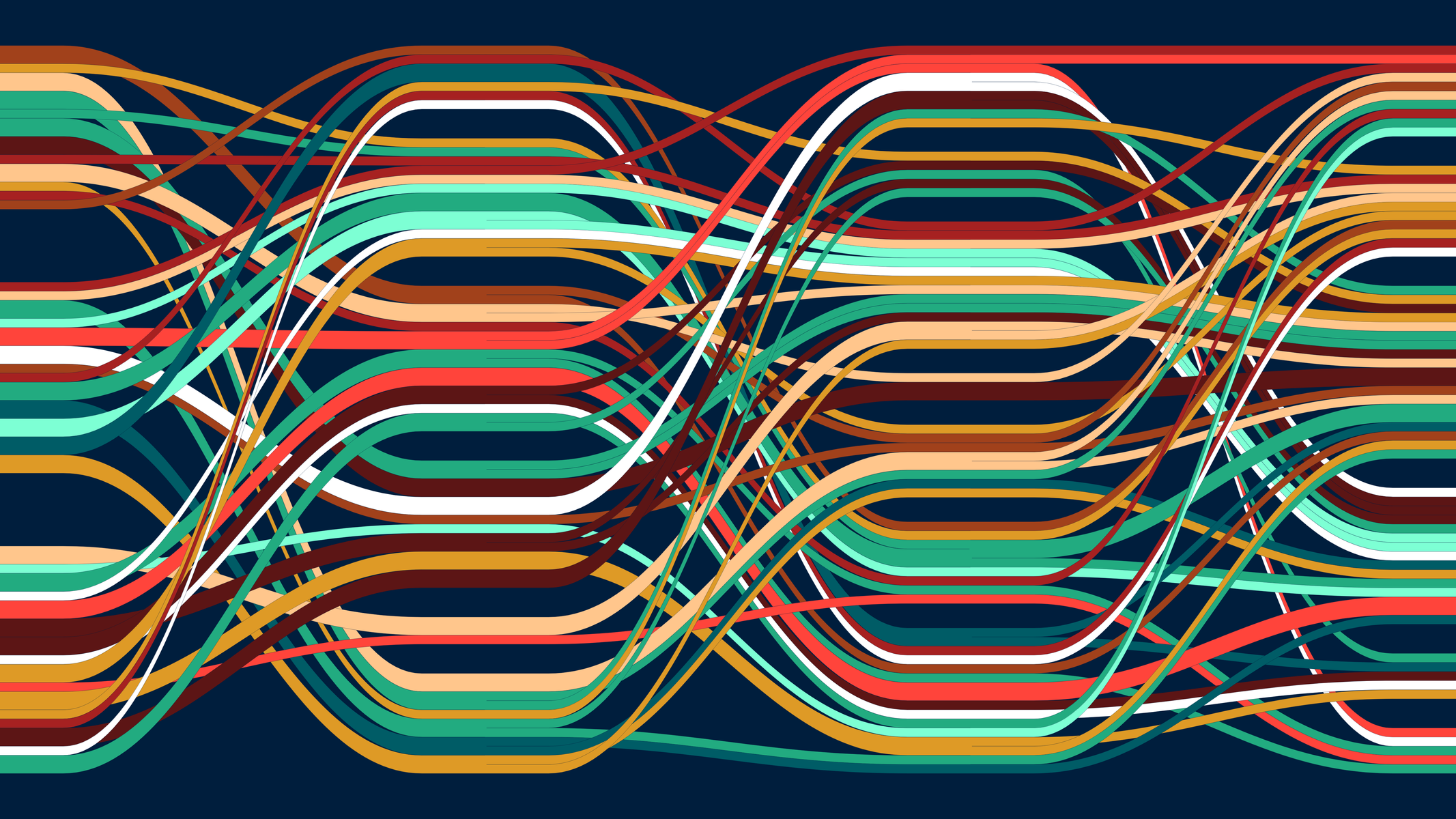
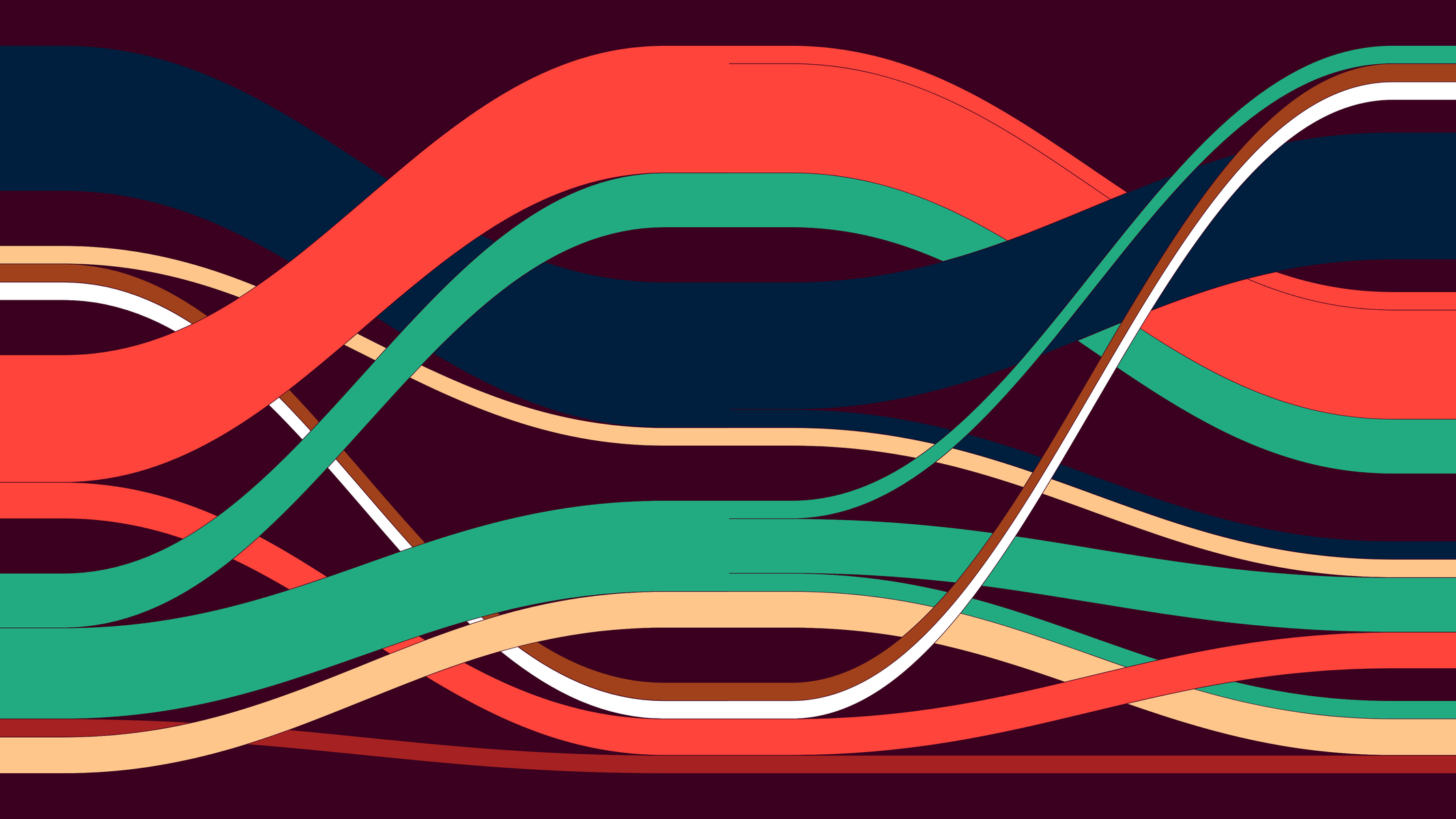
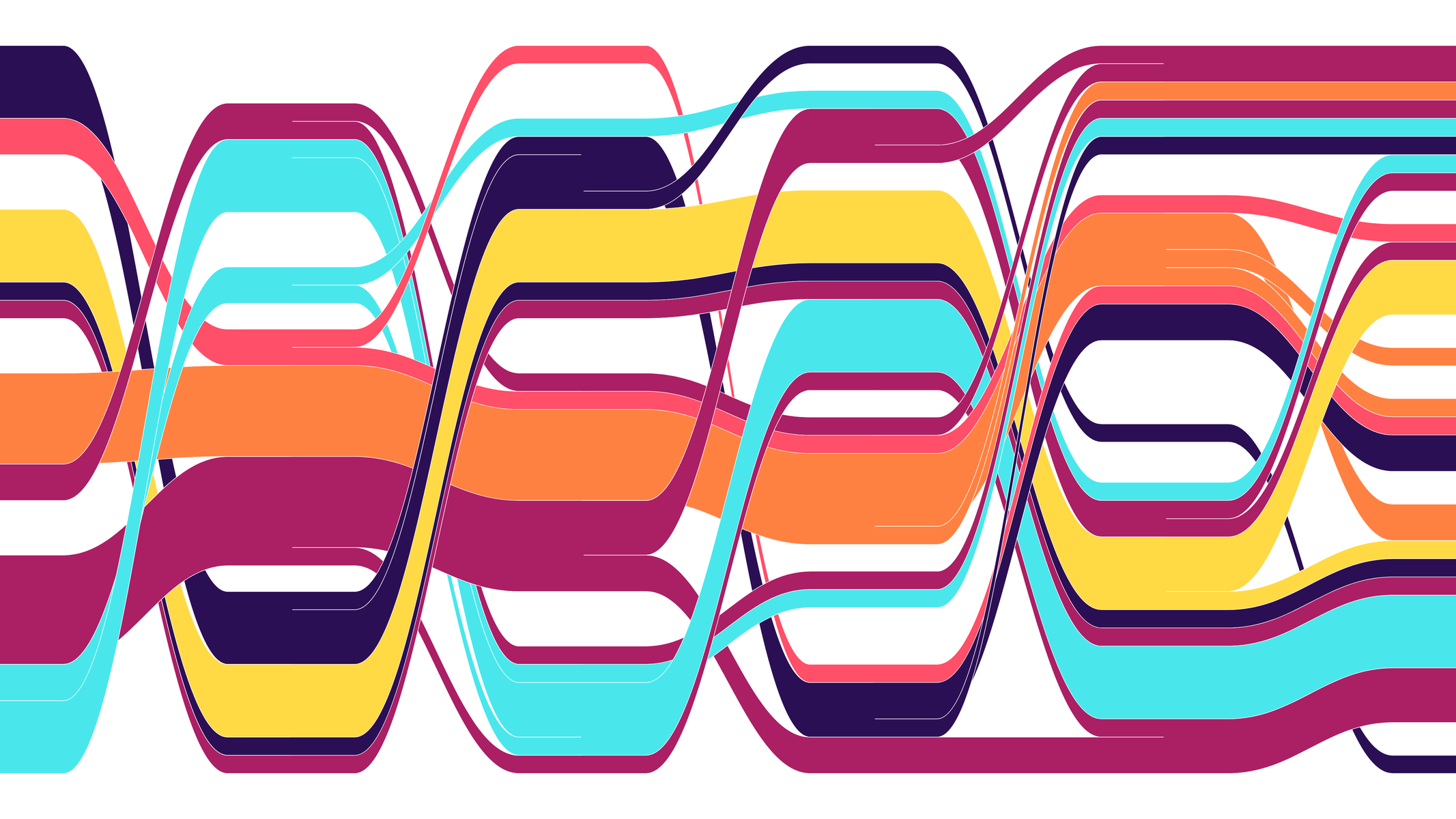
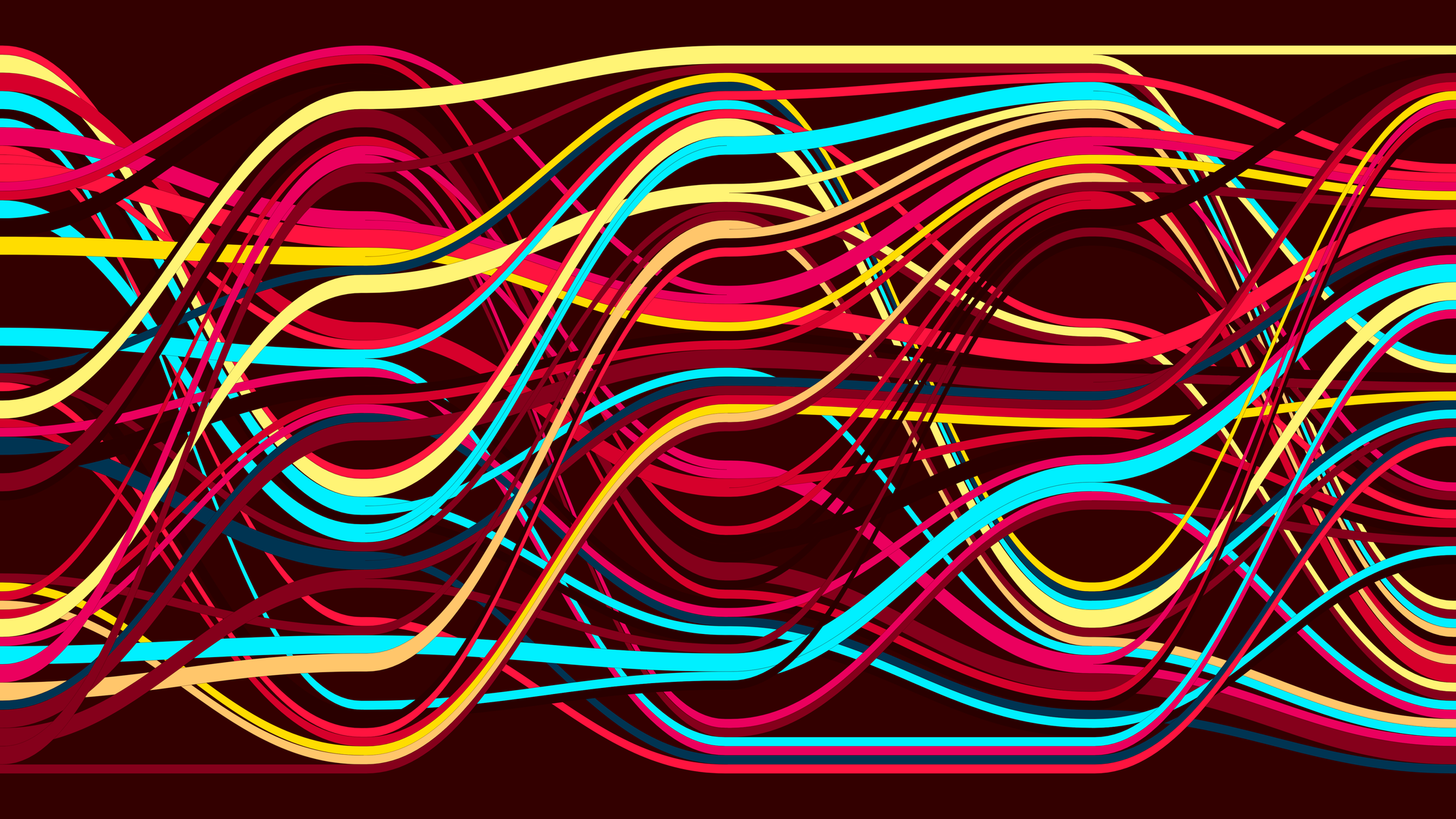
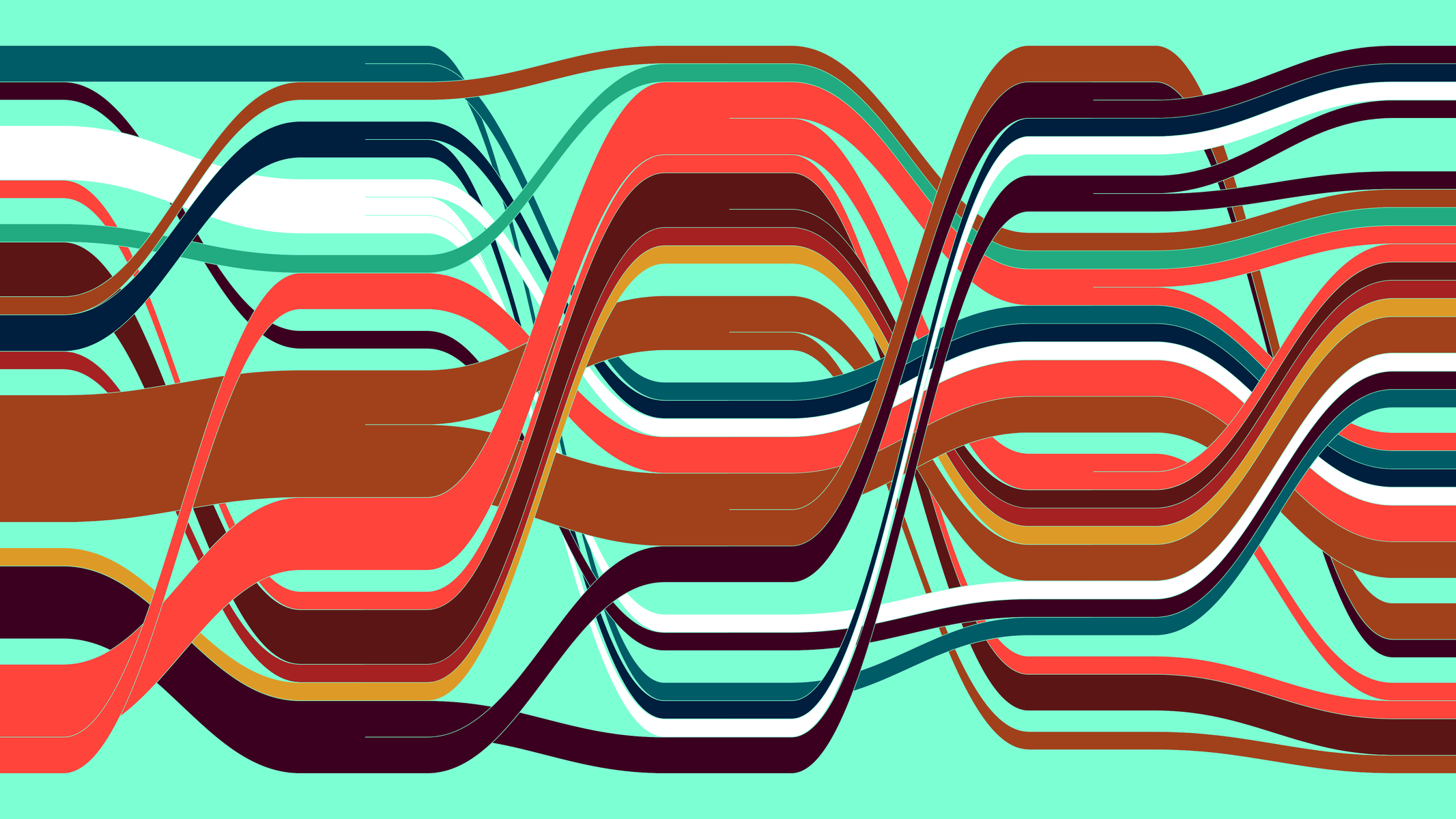
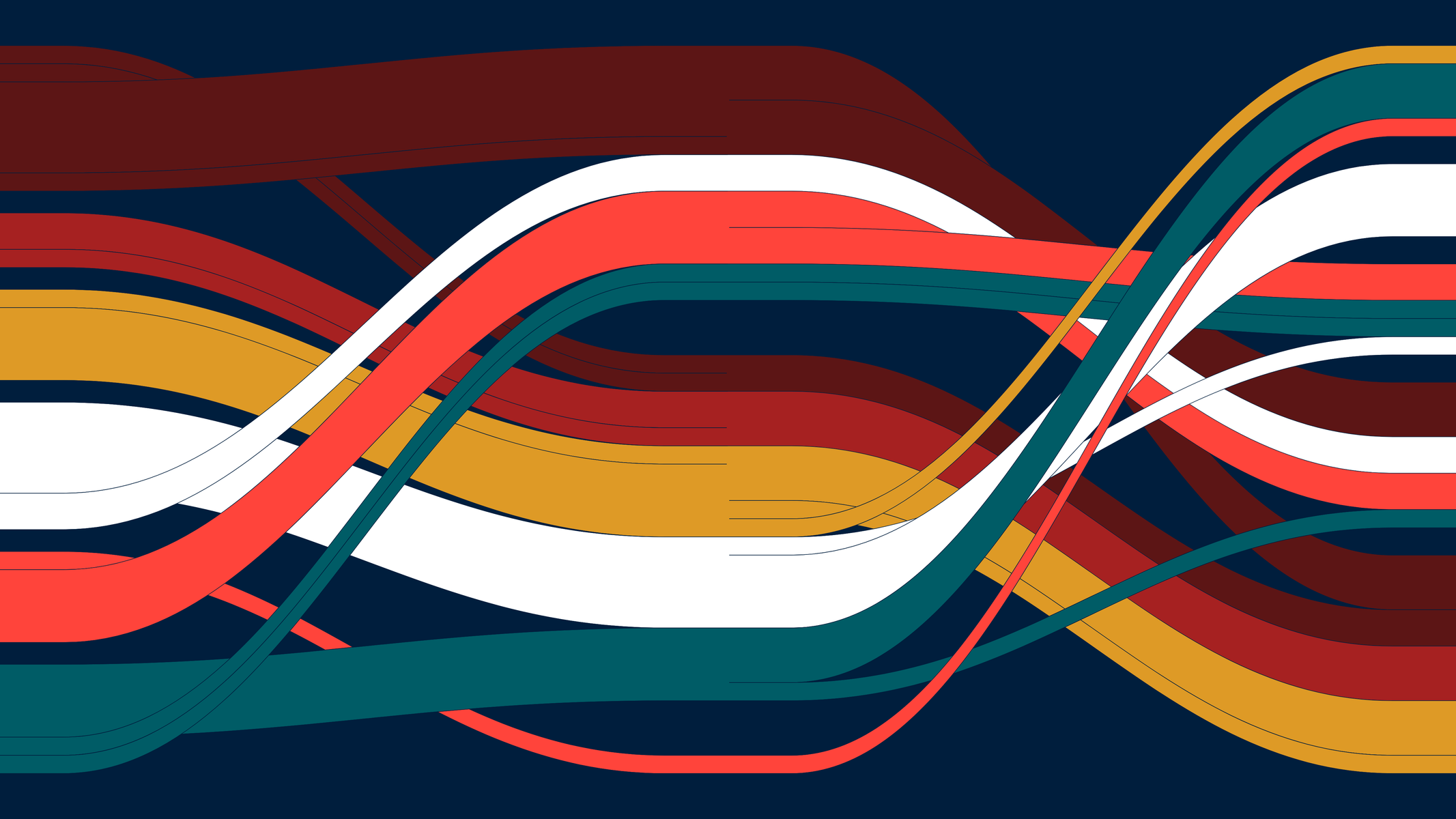
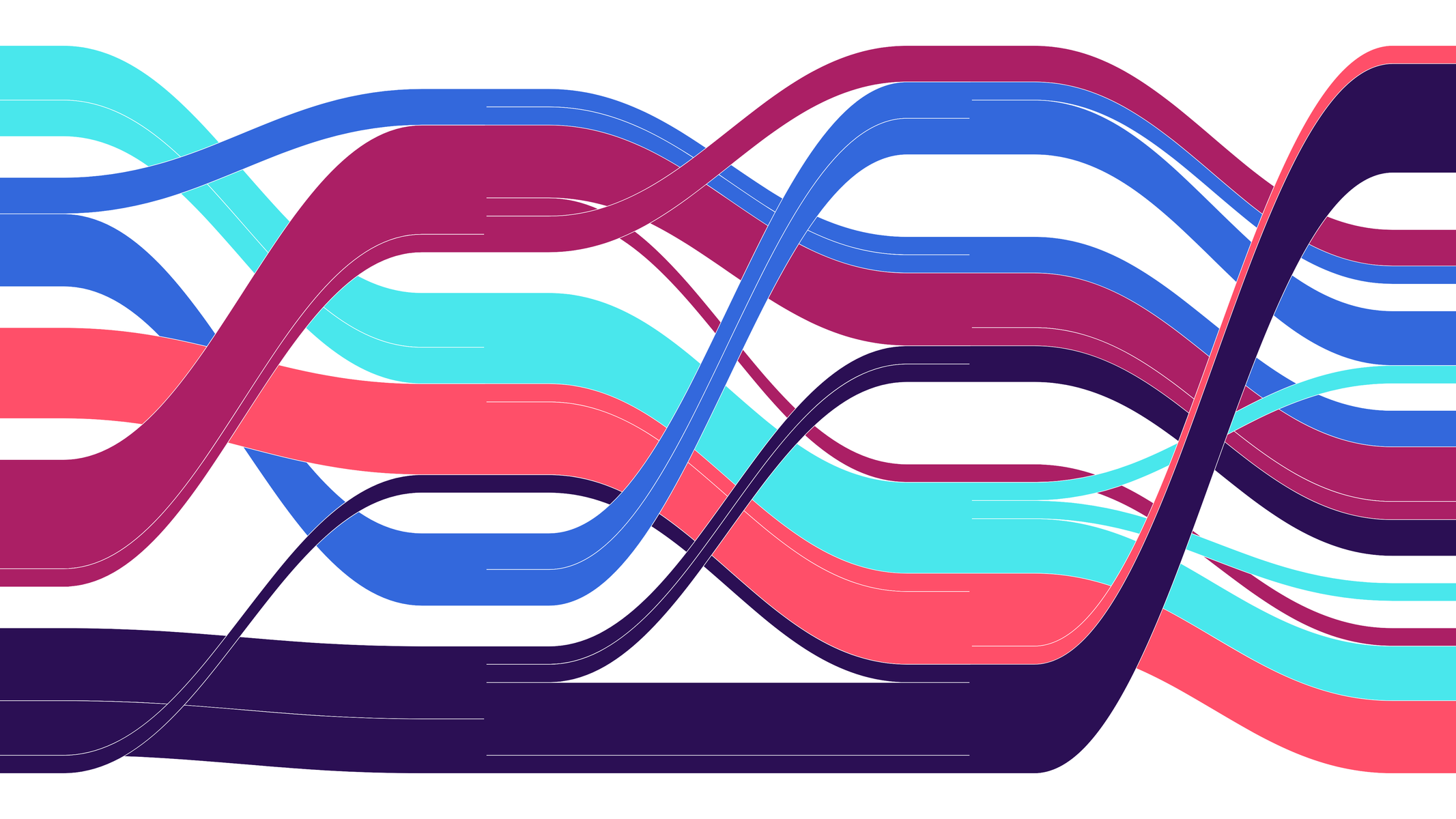
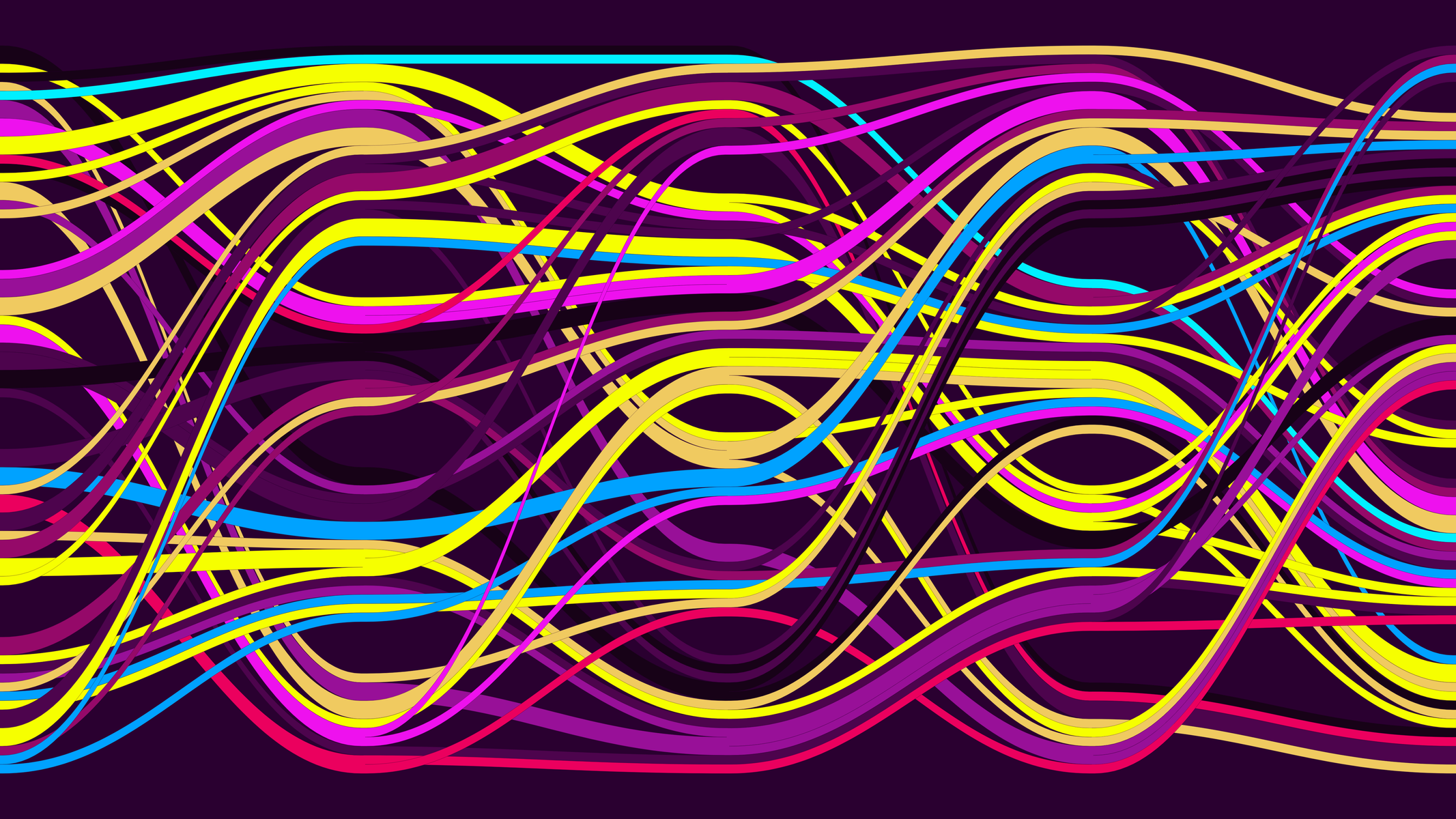
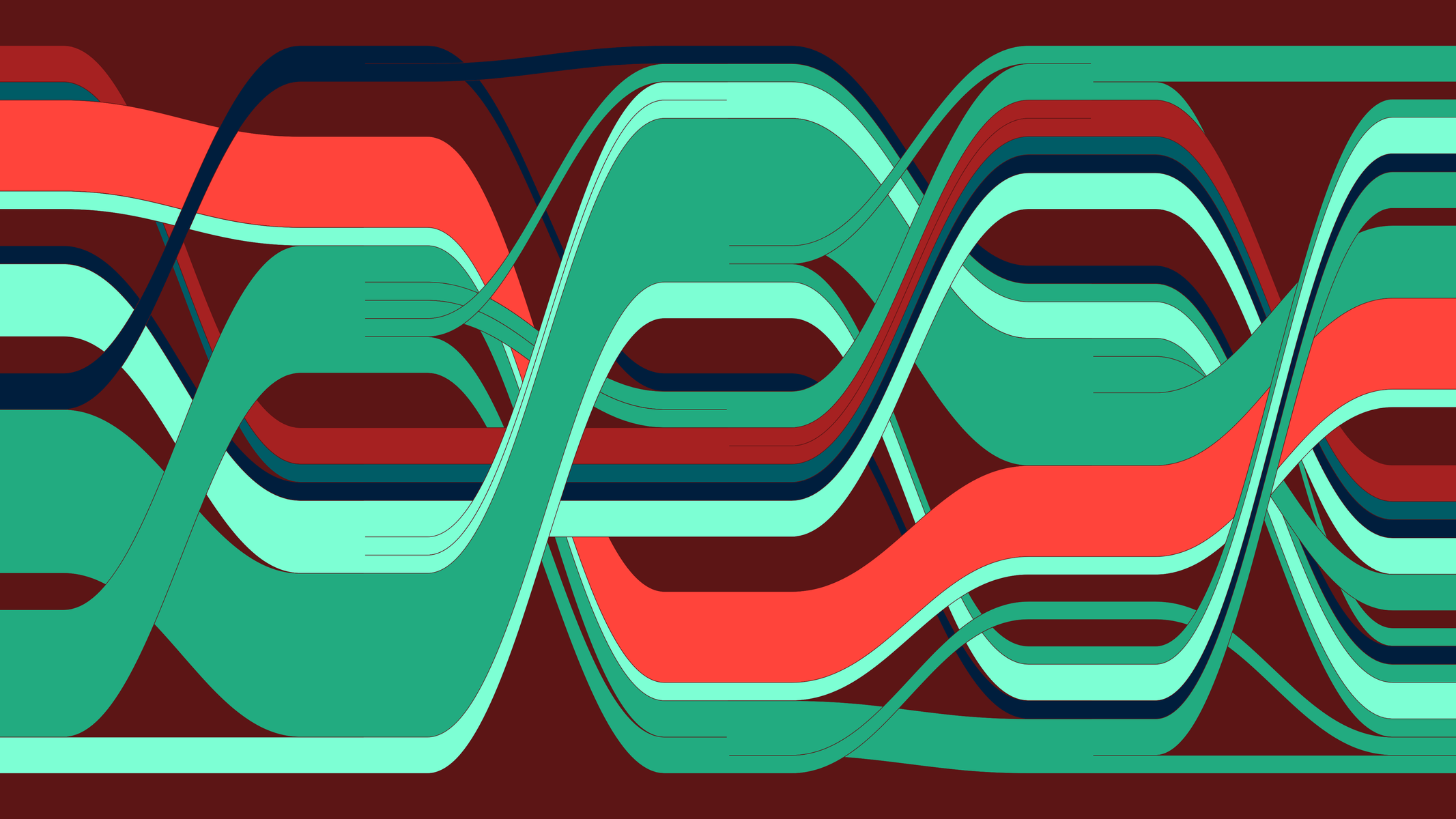
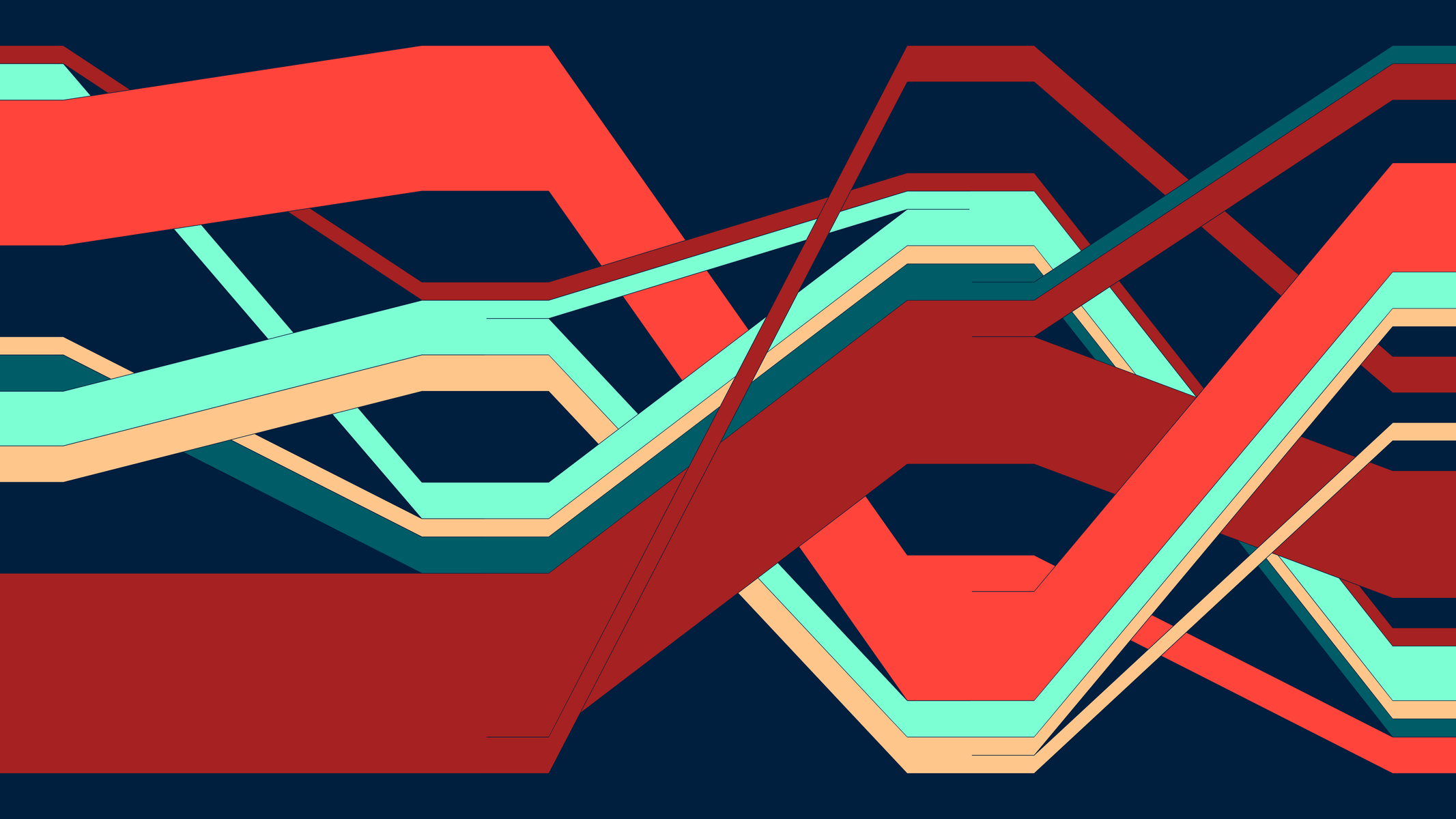
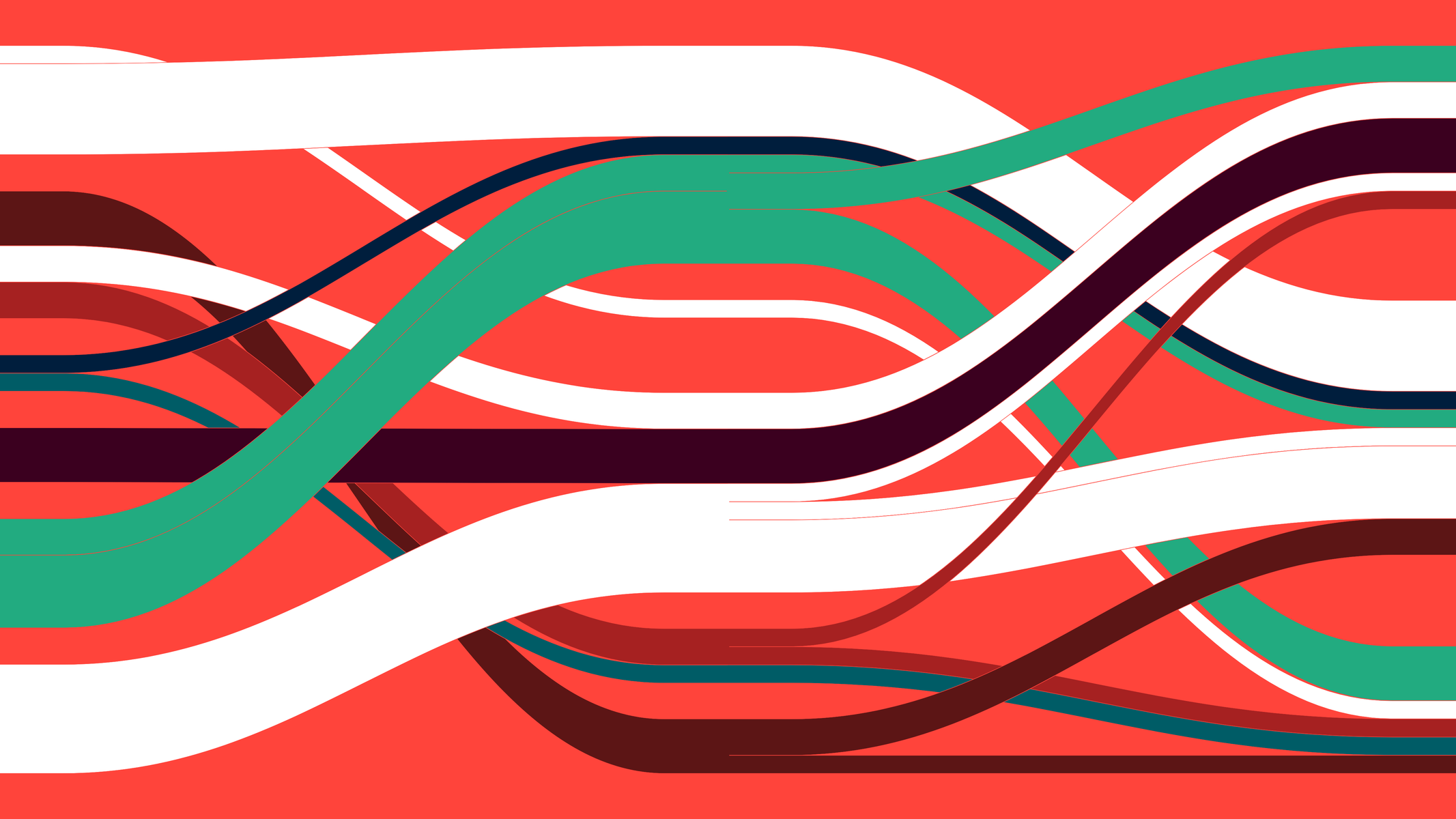
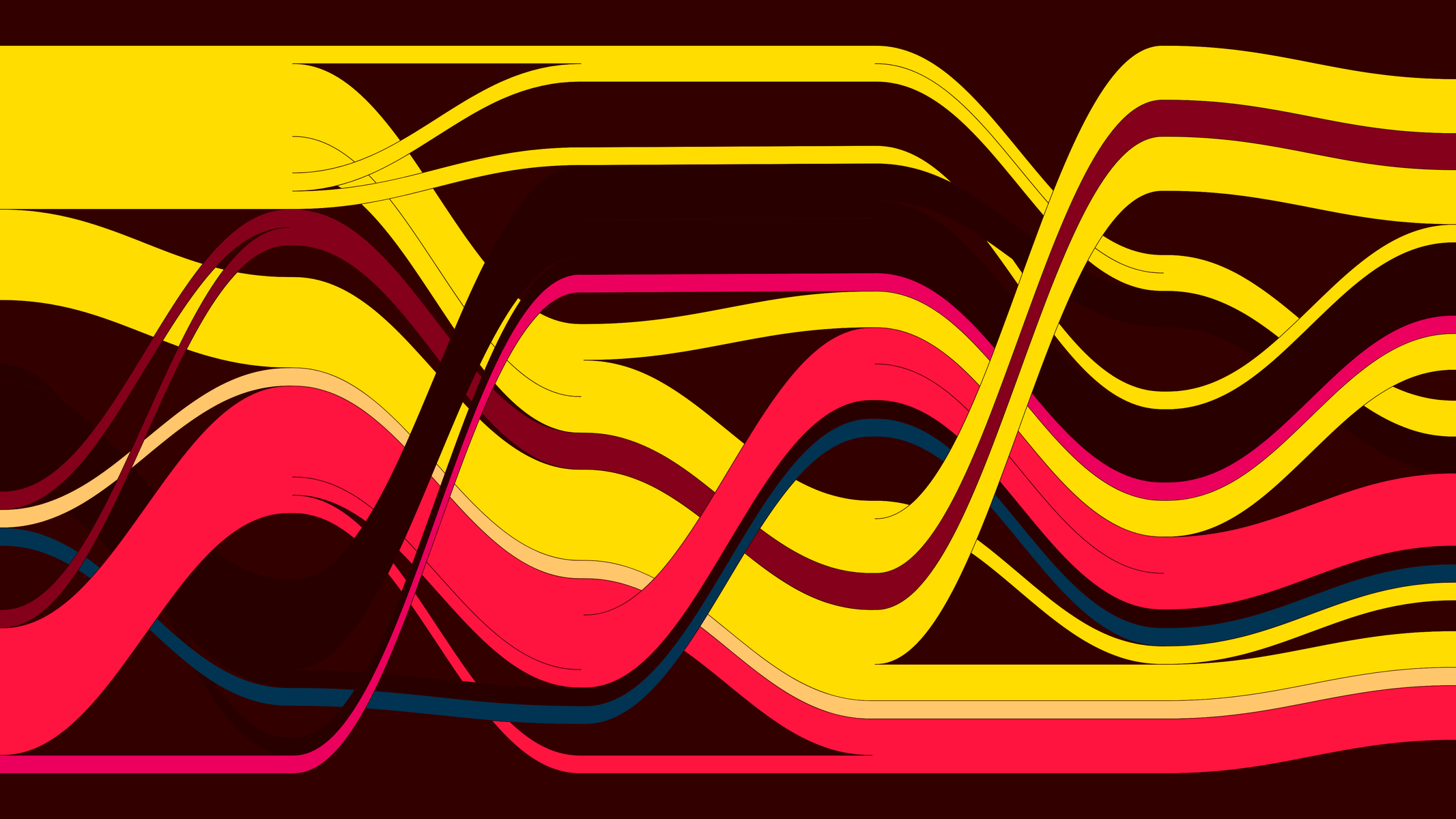
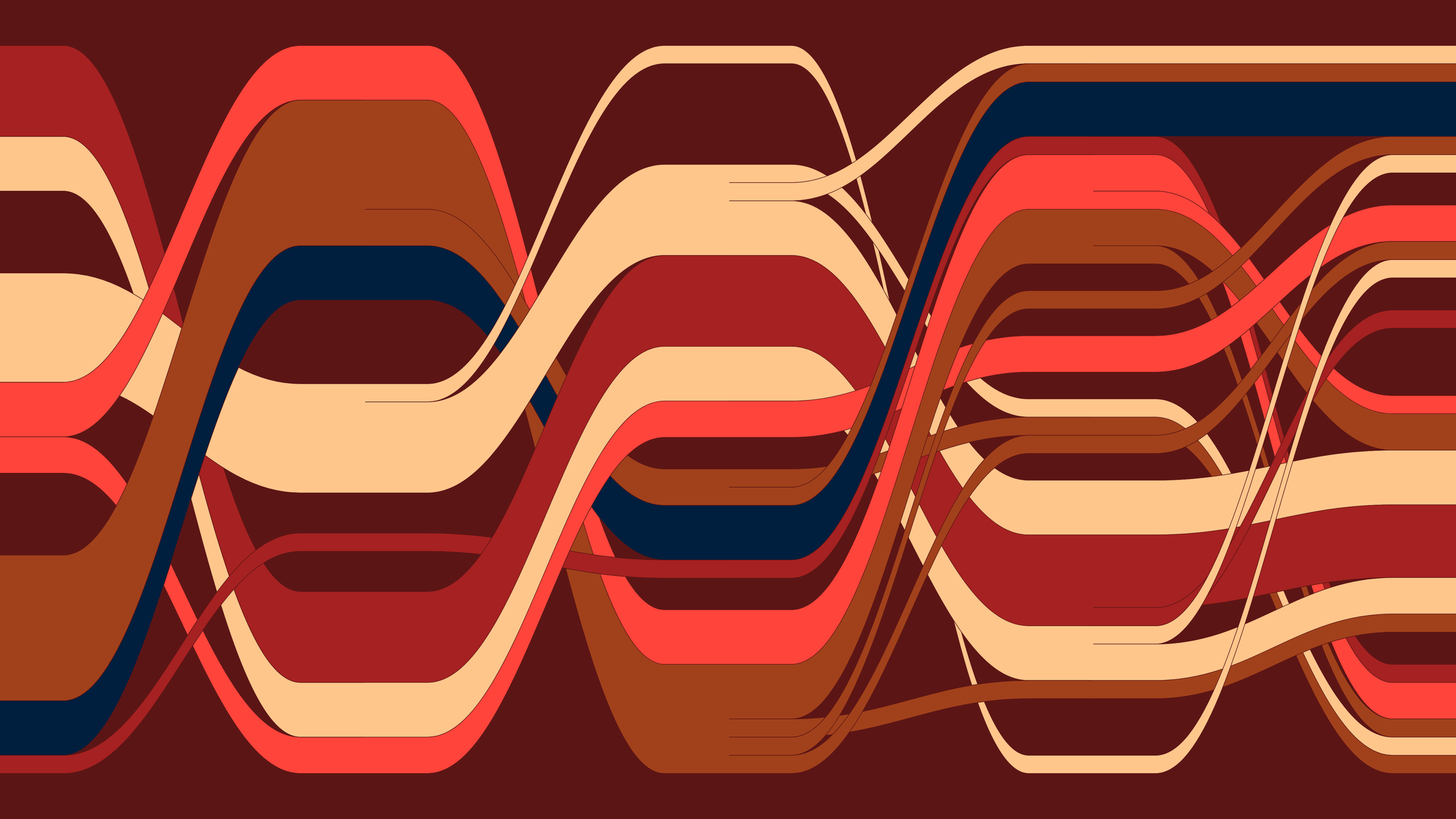
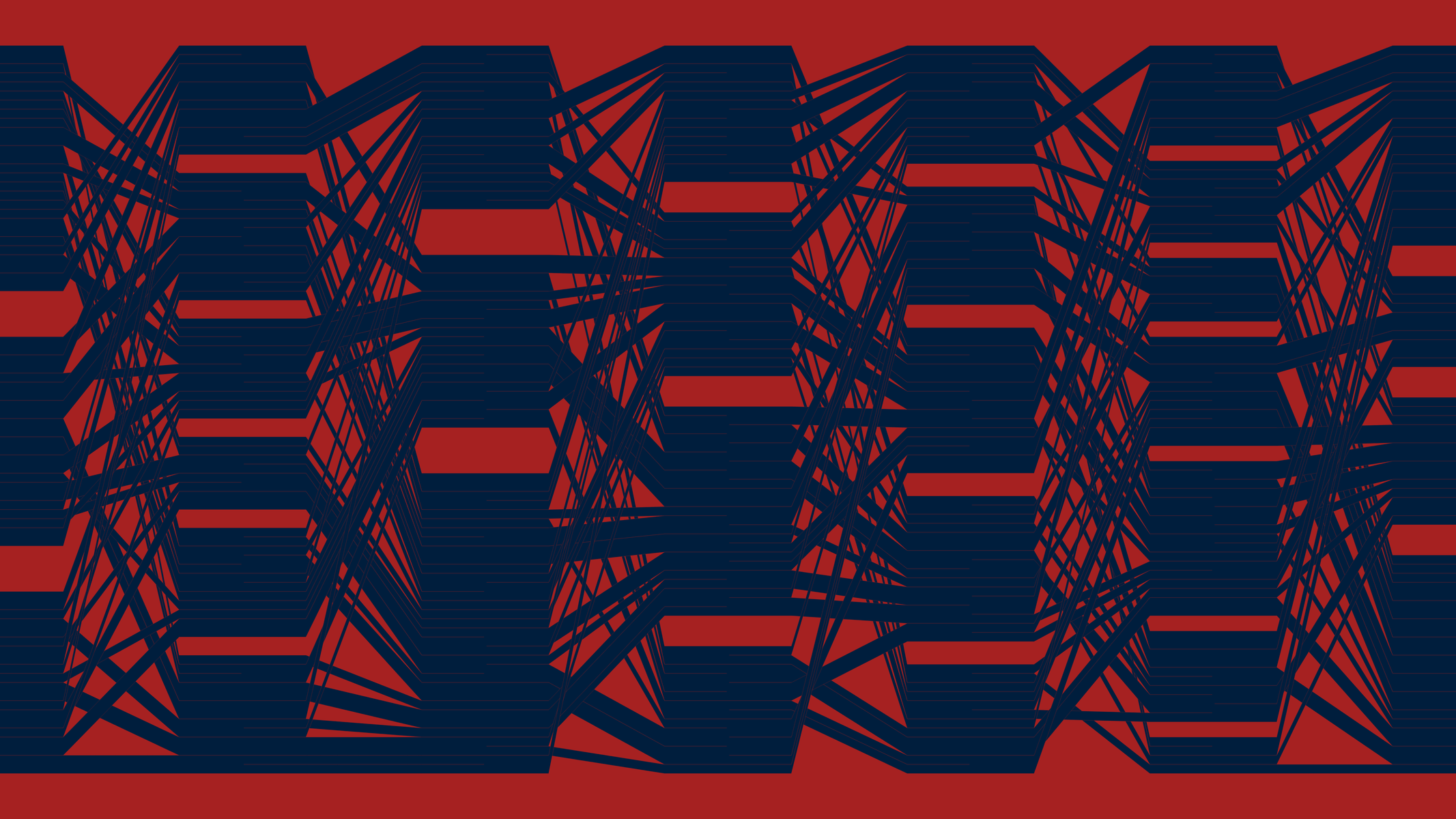
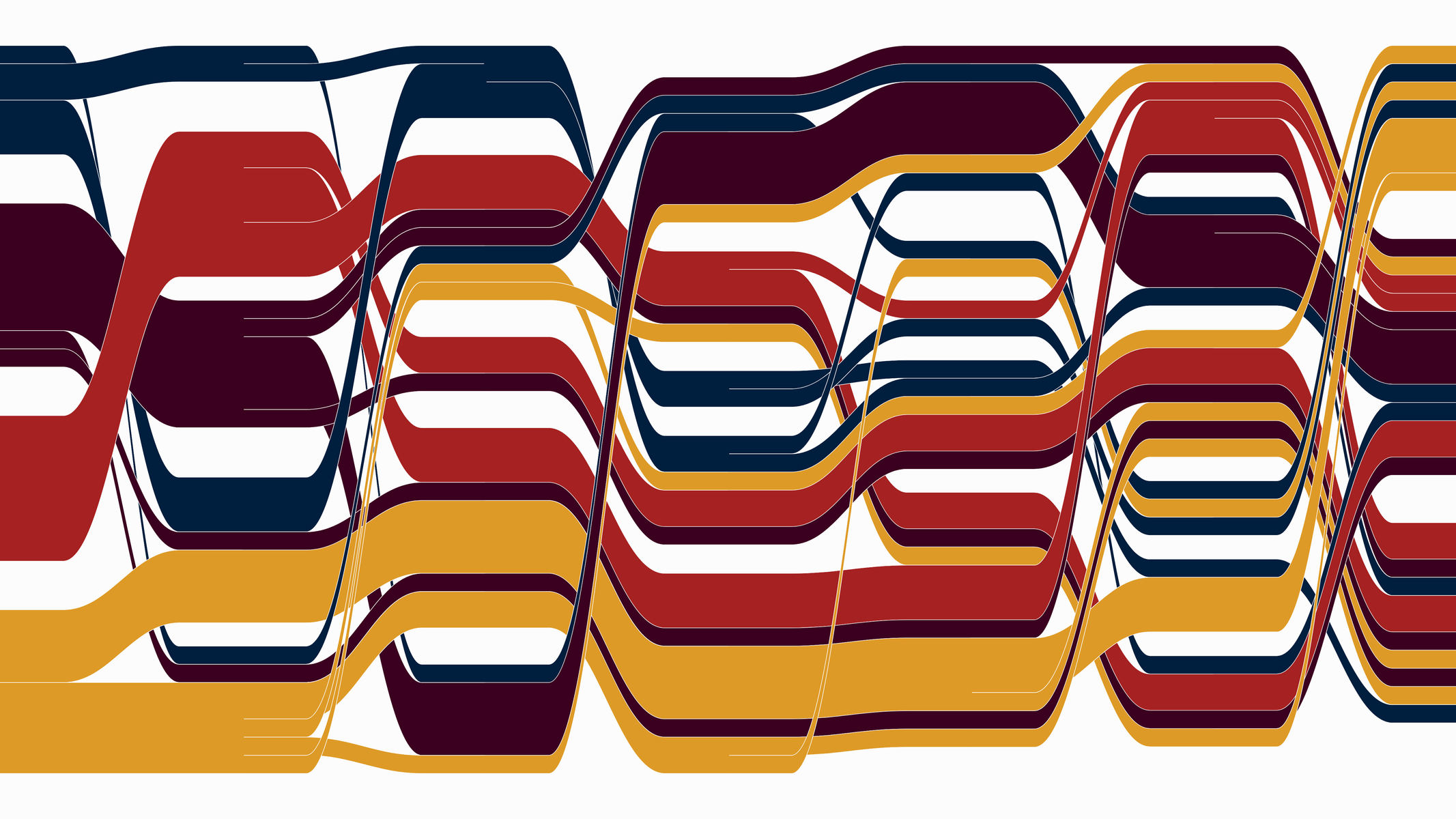
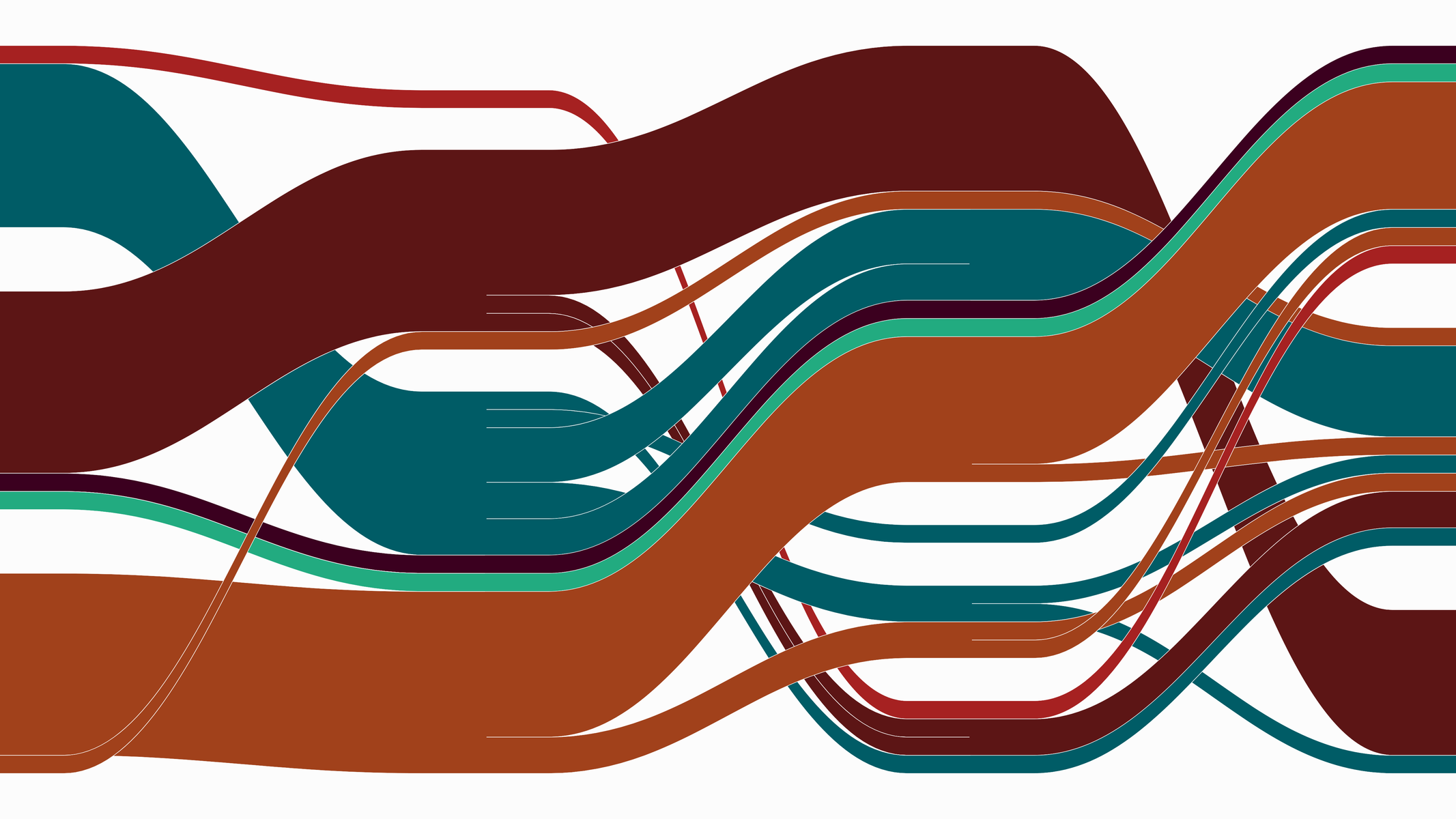
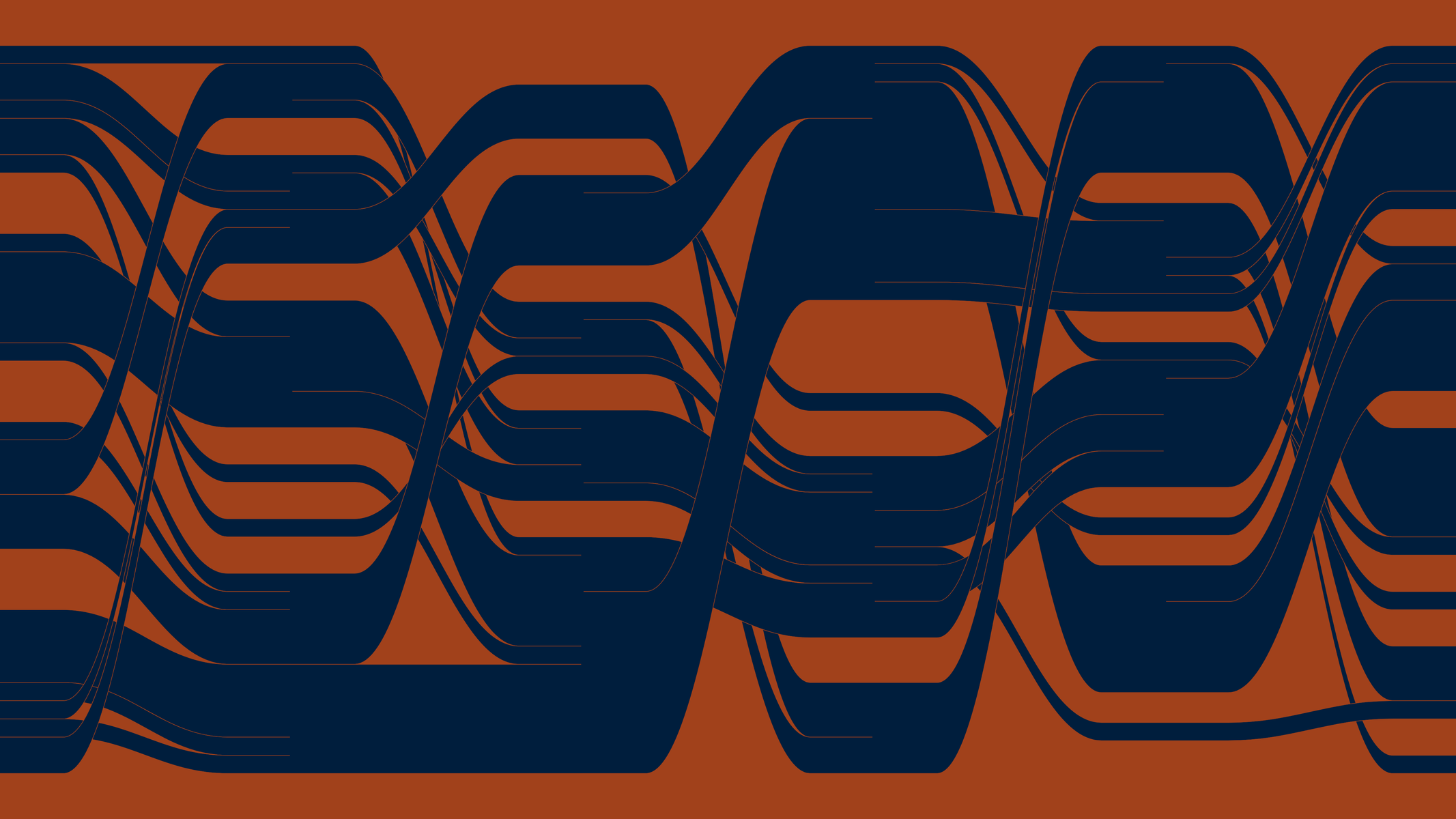
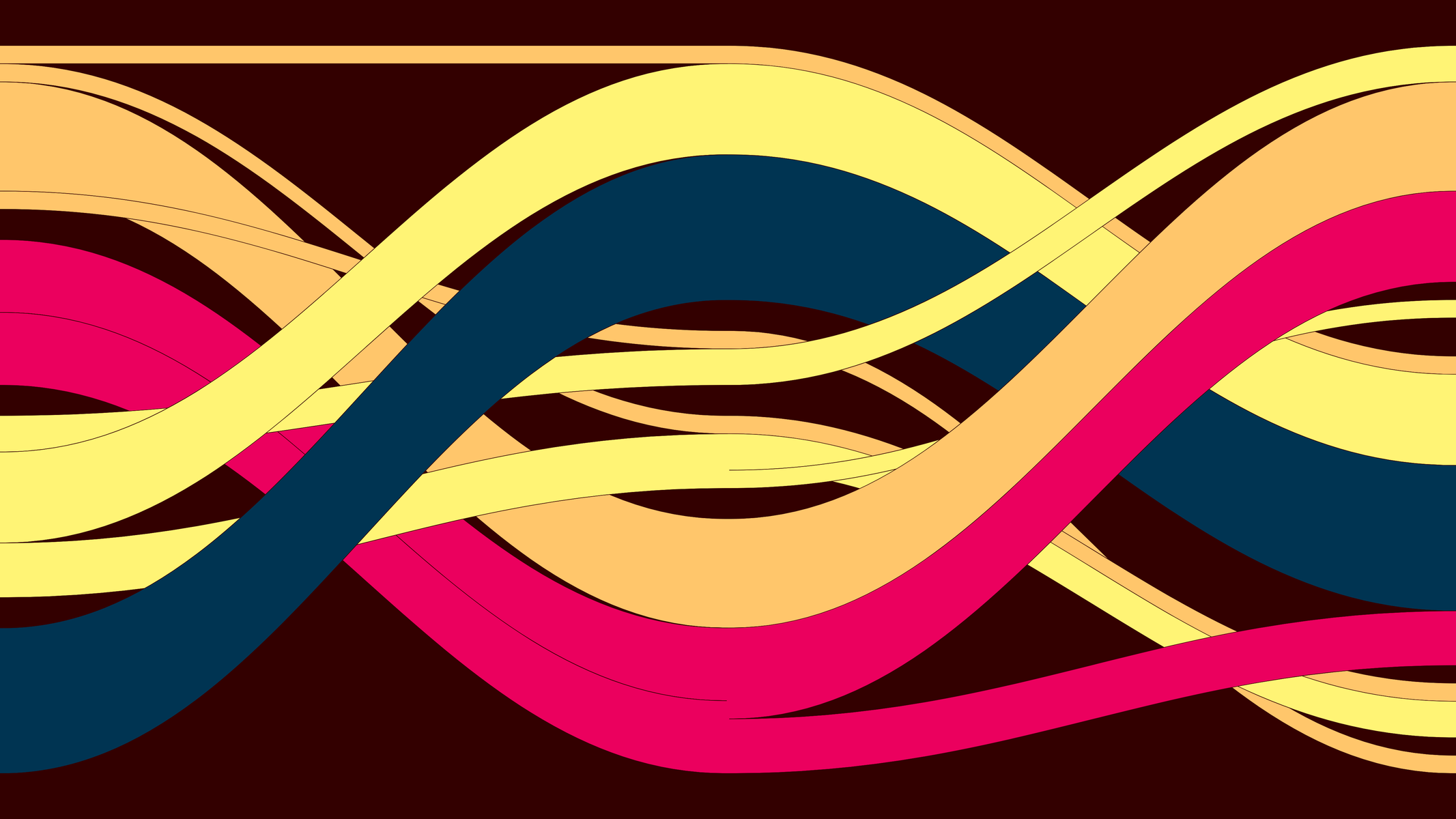
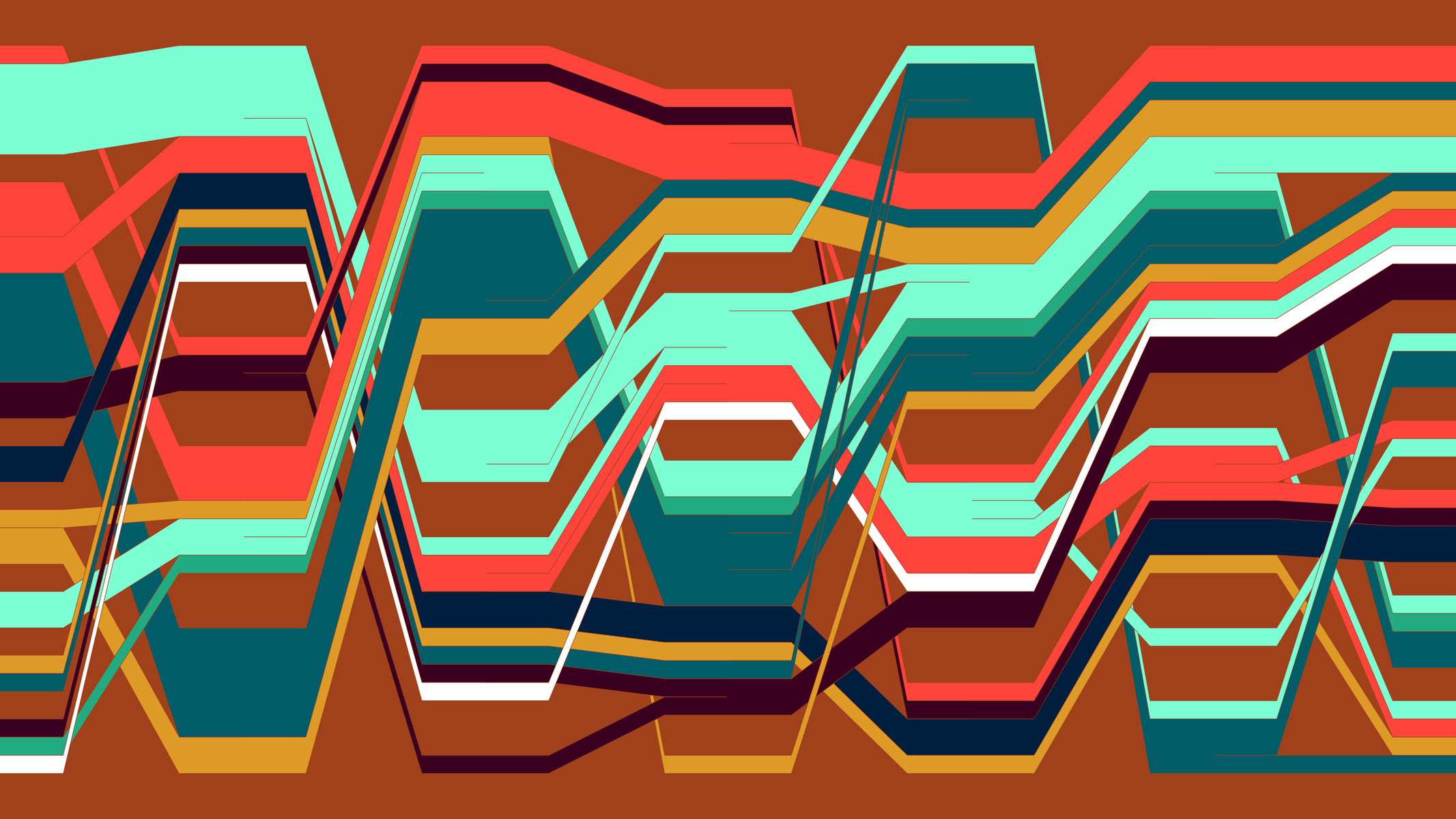
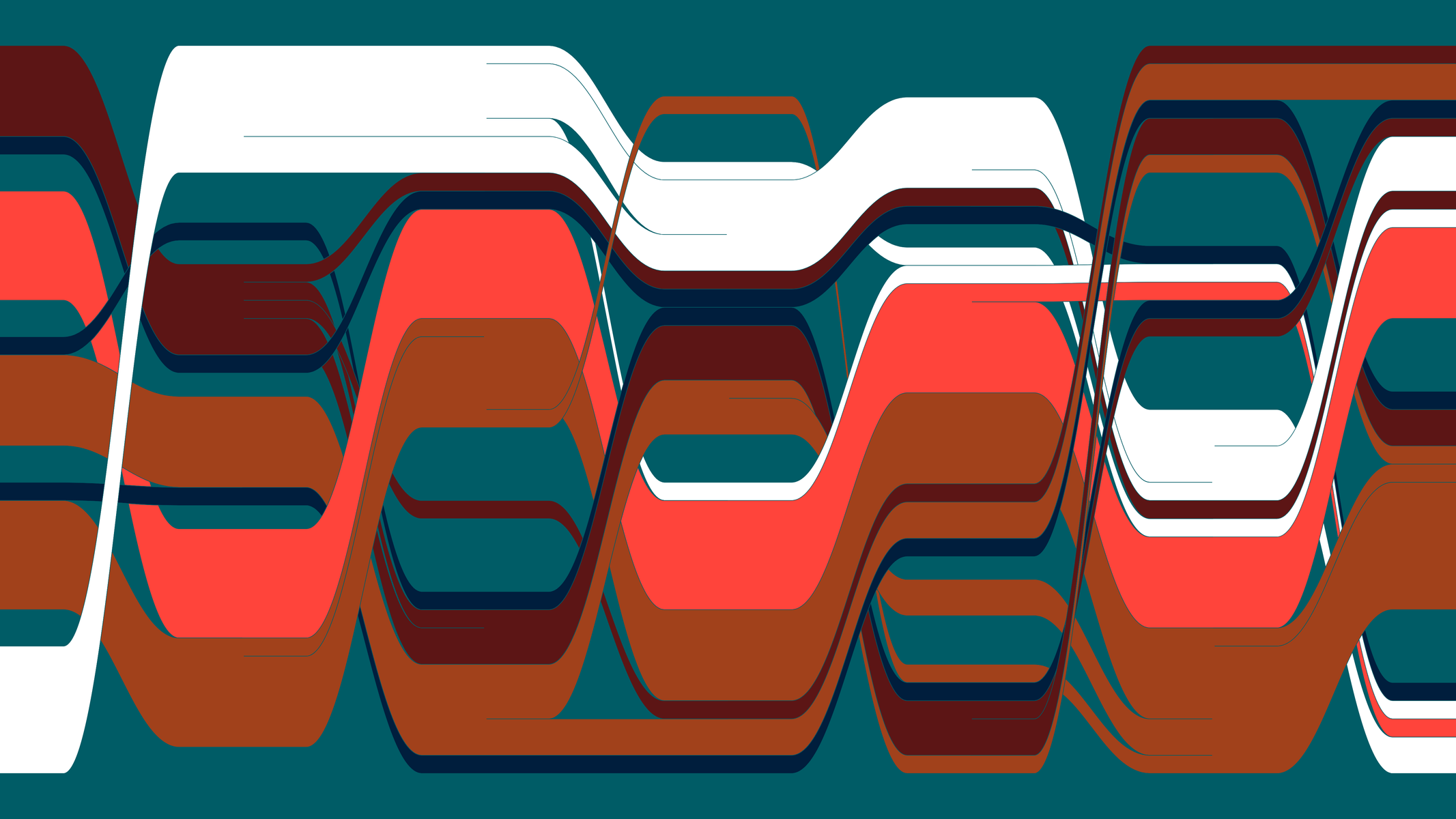
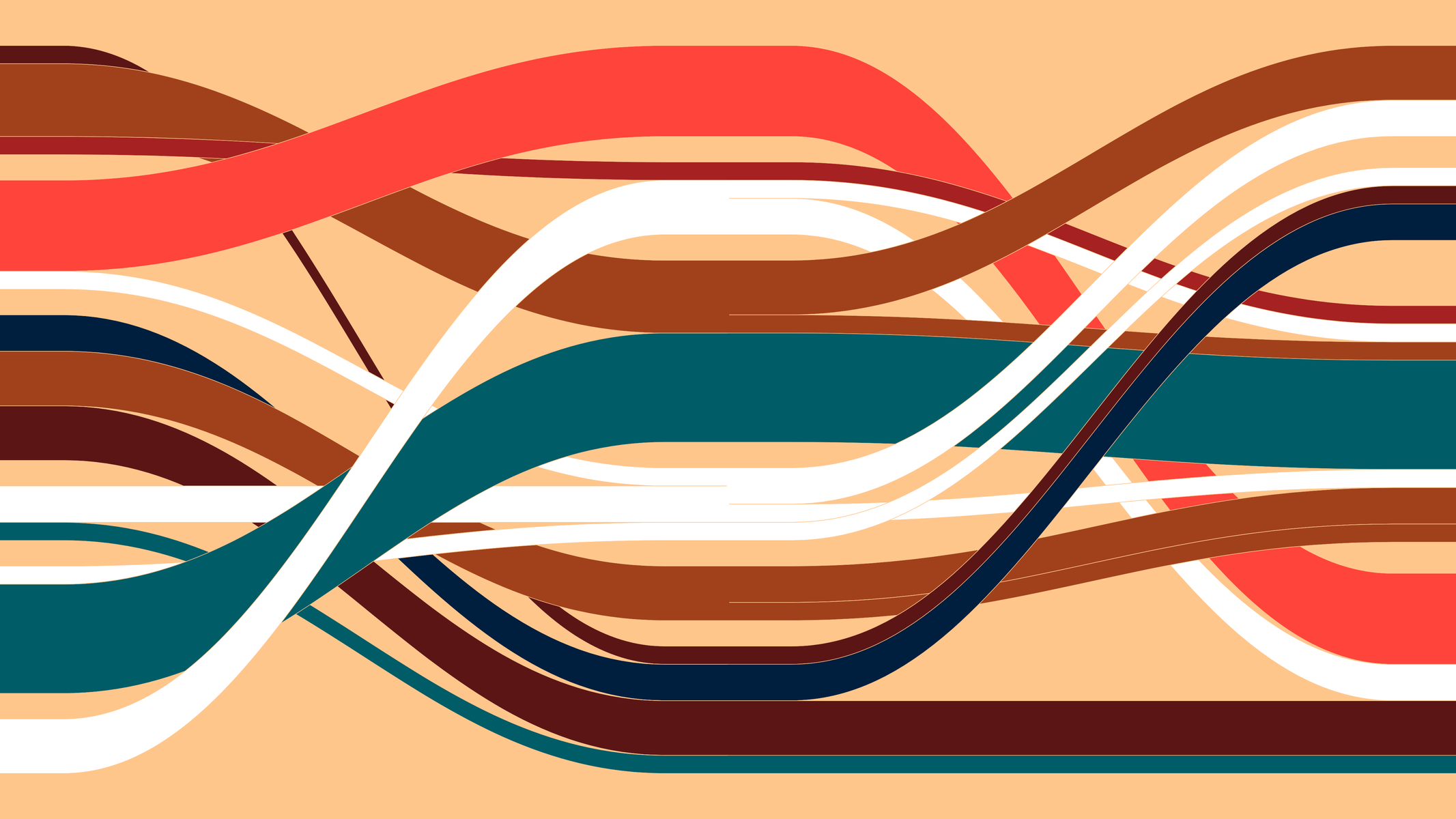
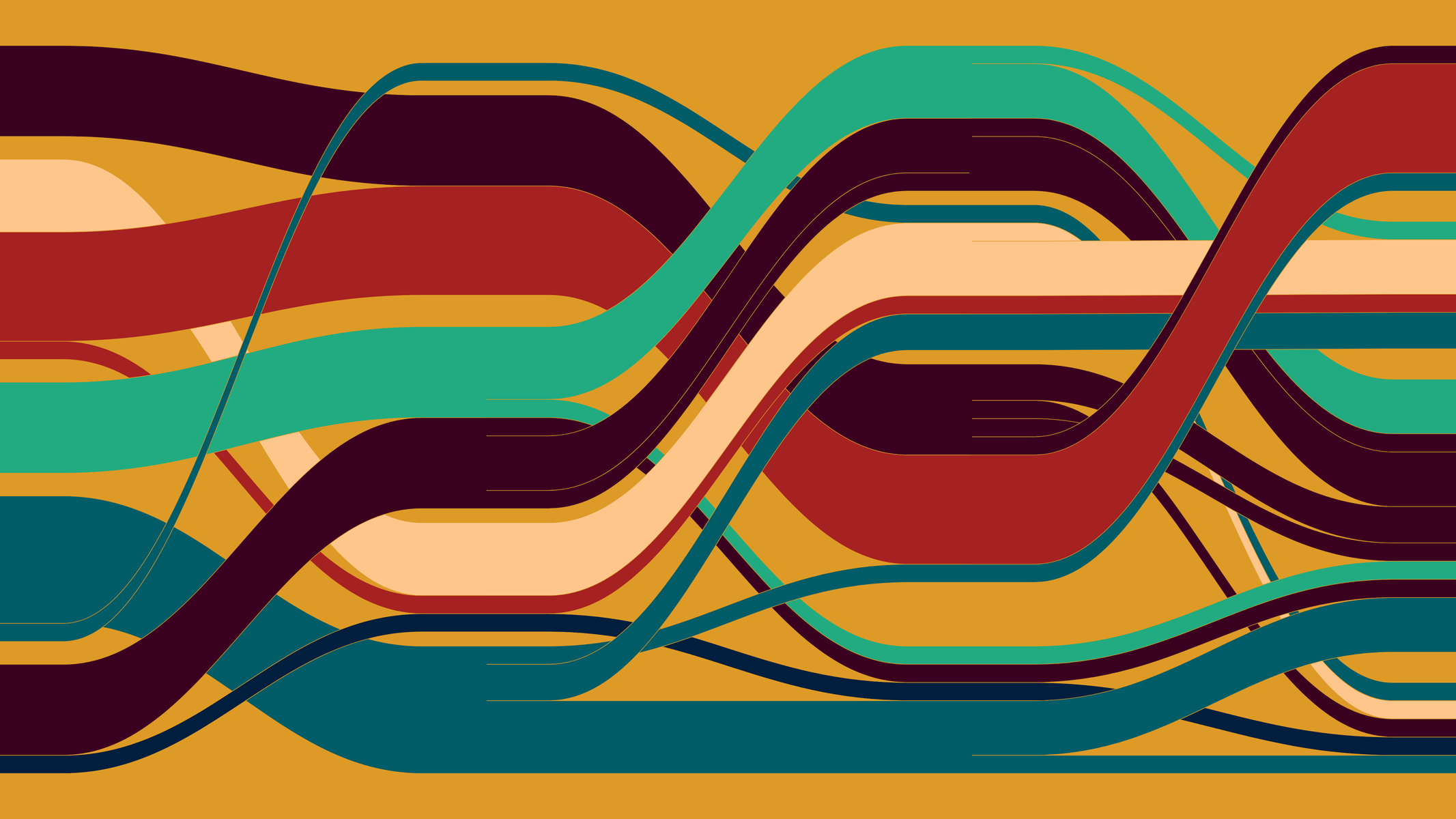
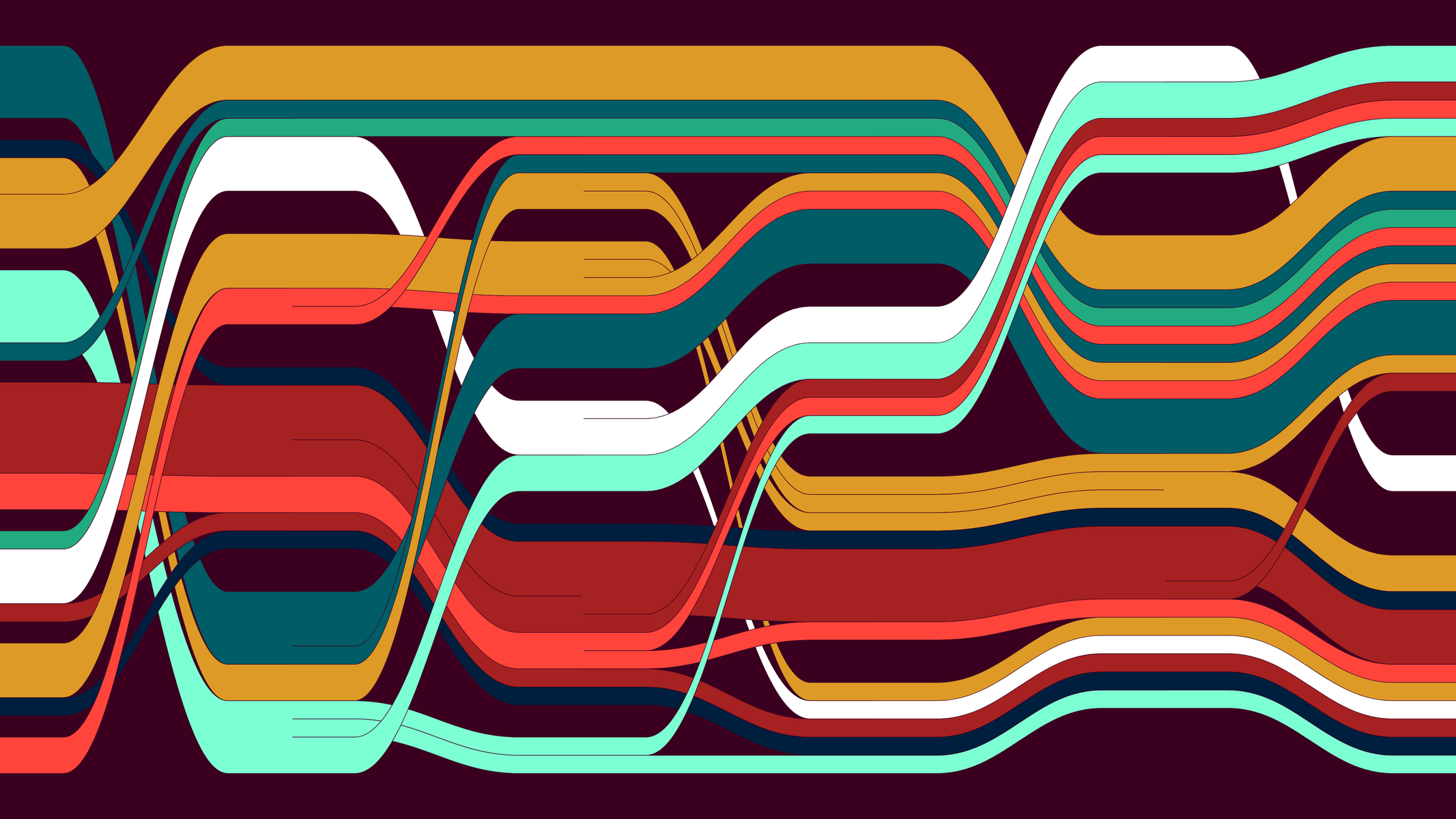
Sankey is an experiment in taking a diagram that was never meant to be emotional and pushing it until it starts behaving like art. I was interested in what happens when a strictly functional system - designed to show energy loss, data transfer, or industrial flow - is removed from its purpose and allowed to evolve inside a generative engine.
Sankey is an experiment in taking a diagram that was never meant to be emotional and pushing it until it starts behaving like art. I was interested in what happens when a strictly functional system - designed to show energy loss, data transfer, or industrial flow - is removed from its purpose and allowed to evolve inside a generative engine.
A Sankey diagram is built on simple rules: units flow from one stage to another, thickness indicates quantity, direction implies transformation. It’s mechanical, literal, unemotional. But when those rules are rewritten in code - freed from meaning, scaled across many layers, and infused with color, chance, and internal feedback - they begin to exhibit behaviors that feel surprisingly organic. Instead of visualizing systems, the system becomes the visualization.
In Sankey, these once-utilitari...
A Sankey diagram is built on simple rules: units flow from one stage to another, thickness indicates quantity, direction implies transformation. It’s mechanical, literal, unemotional. But when those rules are rewritten in code - freed from meaning, scaled across many layers, and infused with color, chance, and internal feedback - they begin to exhibit behaviors that feel surprisingly organic. Instead of visualizing systems, the system becomes the visualization.
In Sankey, these once-utilitarian flows split and recombine according to algorithms that no longer represent statistics, but instead generate rhythm, density, tension, and release. Color, normally just a categorical marker, mutates into the core expressive material. The diagram stops explaining something outside itself and becomes self-referential: a diagram diagramming its own evolution.
The project examines this moment of transformation - when an informational structure collapses into abstraction and finds a new purpose. The code starts with strict diagram logic, but with each seed it drifts further into illegibility, until the lines feel like currents, braids, fractures, or negotiations between competing forces.
The work asks:
What happens when a tool for measuring efficiency becomes a tool for measuring imagination?
What does a Sankey diagram look like when it no longer has anything to explain?
How much emotion can an algorithm inherit simply by being allowed to misbehave?
Sankey is the diagram’s coming-of-age story: a functional graphic that, through code, discovers volume, personality, and divergence. It’s an act of liberating structure from meaning, letting a visual language originally built for clarity become a space for ambiguity, emergence, and surprise.
Technical Information:
Sankey is natively SVG - infinite resolution, zero quality loss.
Press S in the live view to download it.
Need a raster? Right-click the thumbnail for an instant 1920×1080 WebP, or drop the SVG into any AI for whatever size and format you want.
Preview only. The final mint is generated with a random hash.