STORY
I come from a humble family with peasant ancestors and a popular culture. My grandparents had left their respective villages to work in the industry — in small cities — while my parents earned their lives working as employees in the service sector. Art, however, in some form or another has always surrounded me. Where I come from, people sing all the time: at dinners, parties, and gatherings, at weddings, births, and funerals, or simply when they meet in the street. They sing — loudly and in polyphony — traditional songs in an almost lost idiom. They play with words too, mostly through oral literature. Stories, poems, tales, speeches, jokes, and wordplays were the first books I read, and were my first experiences with the magic of the verb. This is what culture has always looked like to me, but the visual arts caught my attention the most. My mother — a seamstress and hobbyist painter — used the squaring-off technique to reproduce portraits from photographs, Van Gogh’s paintings, or life-size comic book characters. She taught me how to draw at a very young age and encouraged me throughout the practice. Drawing eventually became a shelter of sorts when my parents divorced. I wa...
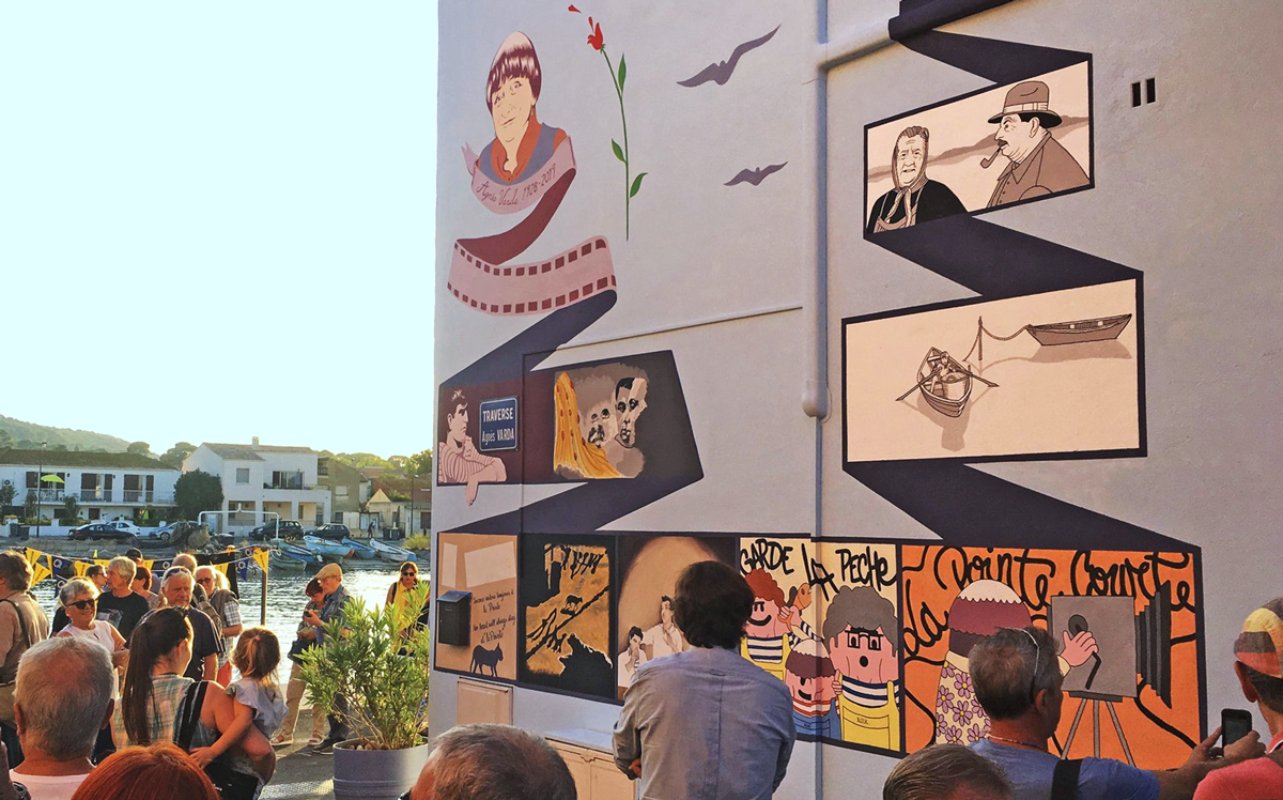
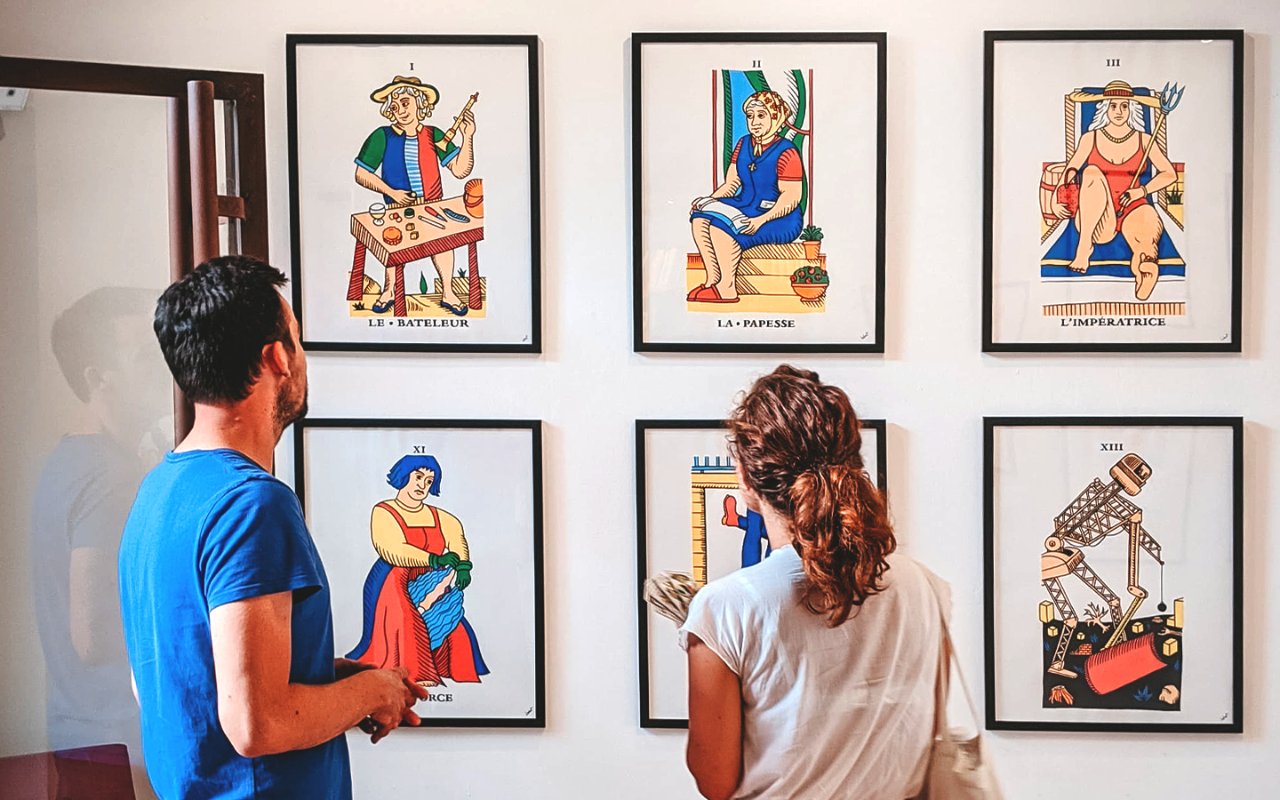
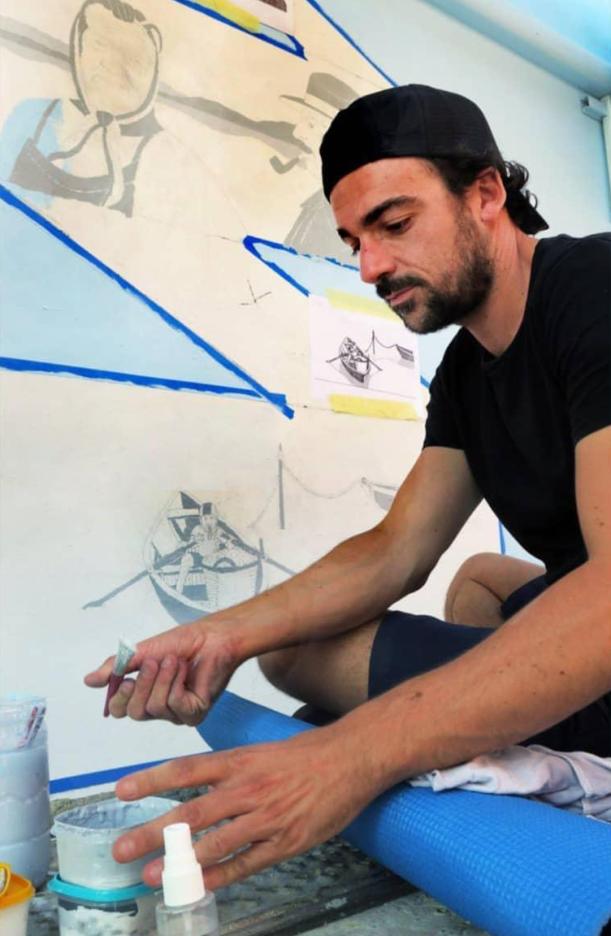
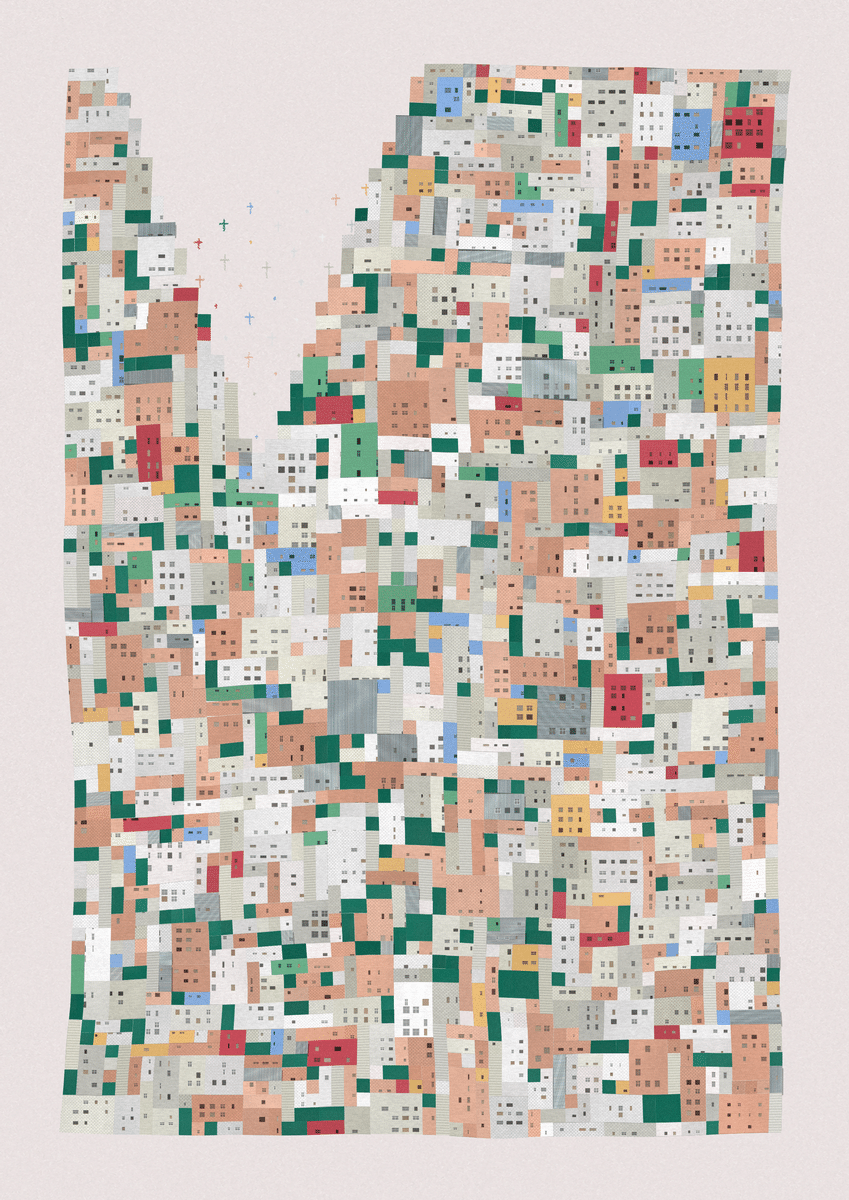
I come from a humble family with peasant ancestors and a popular culture. My grandparents had left their respective villages to work in the industry — in small cities — while my parents earned their lives working as employees in the service sector. Art, however, in some form or another has always surrounded me. Where I come from, people sing all the time: at dinners, parties, and gatherings, at weddings, births, and funerals, or simply when they meet in the street. They sing — loudly and in polyphony — traditional songs in an almost lost idiom. They play with words too, mostly through oral literature. Stories, poems, tales, speeches, jokes, and wordplays were the first books I read, and were my first experiences with the magic of the verb. This is what culture has always looked like to me, but the visual arts caught my attention the most. My mother — a seamstress and hobbyist painter — used the squaring-off technique to reproduce portraits from photographs, Van Gogh’s paintings, or life-size comic book characters. She taught me how to draw at a very young age and encouraged me throughout the practice. Drawing eventually became a shelter of sorts when my parents divorced. I was 6 years old when my father’s new partner moved with her two kids into what was previously our family home. This home no longer felt like mine and I spent most of the time at my mother’s. My little sister and I started moving from town to town with her, a new house every couple of years. In search of stability and comfort, music, drawing, and video games became my homes and my ways of escape — no matter where I had to go. The first big geographical and cultural leap we took landed us in a housing project in the Bordeaux area. My social class became more concrete there. It was the golden age of hip-hop, and naturally, my passion for drawing switched to graffiti and lettering. French rap was mostly “conscious” and very eye-opening to me. While we weren’t the poorest family in our neighborhood, I still felt the prevalence of social inequality and injustice. I was sad and angry and didn’t know what to do with that, but what I did know was I wanted to work with computers. My first idea was to learn computer science and programming, but everyone around me somehow convinced me I needed to be good at math for this type of career — which I wasn’t by the end of high school. Now that I recognize that what they said was the result of genuine ignorance at the time, I would tell my younger self, “Don’t believe what others tell you, you can do whatever you want as long as you truly commit to it.” But I did believe them, so I picked Applied Arts and chose to become a graphic designer. In art school, I experienced another form of inequality: what French sociologist Pierre Bourdieu calls “cultural capital”. Most of my classmates came from middle-class to upper-class families and already had a background in the arts and culture. I just wanted to make pretty images on the computer. I was definitely not equipped to learn art history and theory, or mature enough to appreciate contemporary art. Pretty much everything our teachers made us do felt like unnecessary overthinking, intellectual bullshit. I learned as much as I could there but stopped after one year and started more practical training in computer graphics. I built my graphic designer career one gig at a time and completed my knowledge of art slowly but steadily. If I’m being honest, to this day I’m still puzzled about what good art really is. I’m still not sure what the most valuable culture is. Is it popular culture – the type that touches a wide audience, that talks simply about nature, human or otherwise? Or is it highbrow culture – the one that makes society progress on occasion, but is almost completely inaccessible to the neophytes? Both are extremely valuable, if you ask me. But do they have to live in two separate worlds? My career kind of ended in a burnout around the age of 30 after an intense experience in politics. Being behind the scenes of a presidential campaign is super exciting and very instructive — but politicians are vampires. None of the money they paid me was worth the stress I endured, or the crazy hours. Neither did it lift the sadness and the anger that was slowly destroying me. Symbolically, I left this world and I studied again, to understand. I studied by myself, following the flow of what I discovered, reading books, and listening to talks and lectures. I learned about history, sociology, science, philosophy, religion, and mysticism. I stripped myself (consciously or unconsciously) of material belongings and experienced poverty once again. I killed the person I became so as to not kill myself. What was left was the urge to create and to do something with all this. I didn’t know what I had to express but I had to find a way to express it. I started drawing and painting again, and seriously committed to it. The Tarot de Sète came out as an homage to my city and an ode to popular culture. As greater artists did before me, I reinterpreted the Tarot de Marseille deck of cards, but with symbols and archetypes from the vibrant and colorful city of Sète — the home I had chosen. Great reception to my first time selling original paintings. The sadness and the anger started to fade out – I was celebrating where I came from and reconnecting with who I am through art. As art could not provide enough revenue, I decided to finally take the leap I didn’t take when I was a teenager. I started to learn programming to begin a new career as a developer. As I write these words I’m still in the process of retraining, but along the way, I stumbled upon generative art and I knew instantly, This is what I’m here to do. This is where my path leads. So here I am, experimenting and playing, meeting the kindest people, and learning again every day, on the breach to reconcile all the versions of myself. With the higher hope of someday reconciling a bit of both popular and highbrow culture in my work.
INTERVIEW