STORY
When I was seven years old, a close friend of my parents used to bring along programming books every time he visited us. He taught me how to copy and paste BASIC code from some simple games to the MO5 my parents had at the time — I didn’t know how to fix a typo, let alone save files. Little by little, I started to get the hang of it. I remember having lots of fun changing the text and switching between the different colours. This marked the beginning of my long history with computers and programming that lives on today. When I was eight years old, I remember having a redaction assignment in school. We were given a picture of a dog, and the objective was to describe the dog in detail. I went on to measure the different parts of the dog, writing down the exact measurements of its limbs. In hindsight, it is obvious my teacher wanted us to take a more visual approach and use adjectives to describe the dog. A clue as to why I took this approach could be the fact that my father was a math teacher, nonetheless, I was convinced to respect the theme to perfection. This situation illustrates my relationship to art quite well. I did not comprehend what was expected, and in all honesty, I’m t...
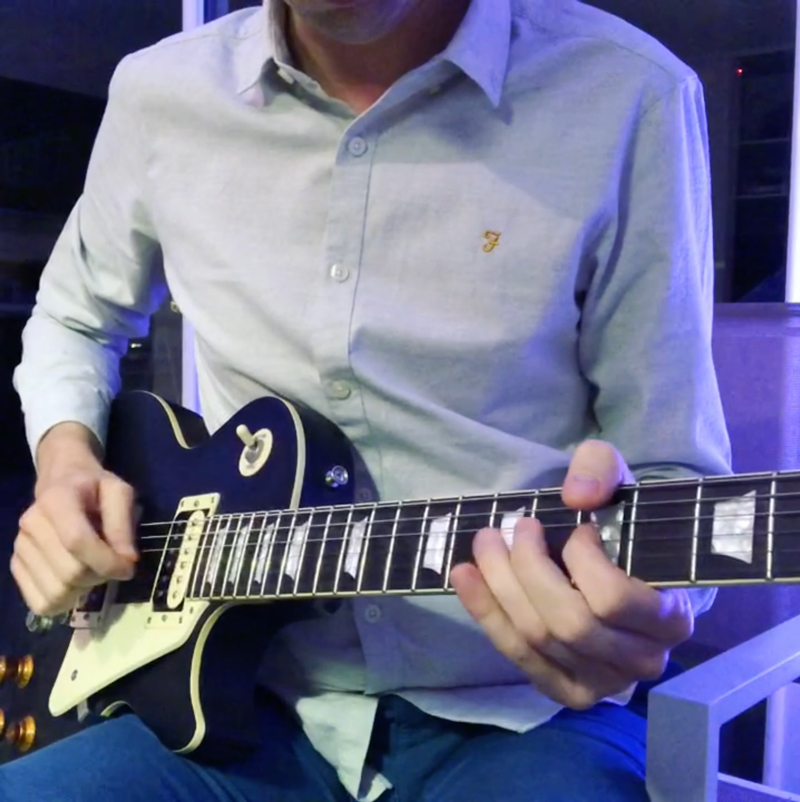
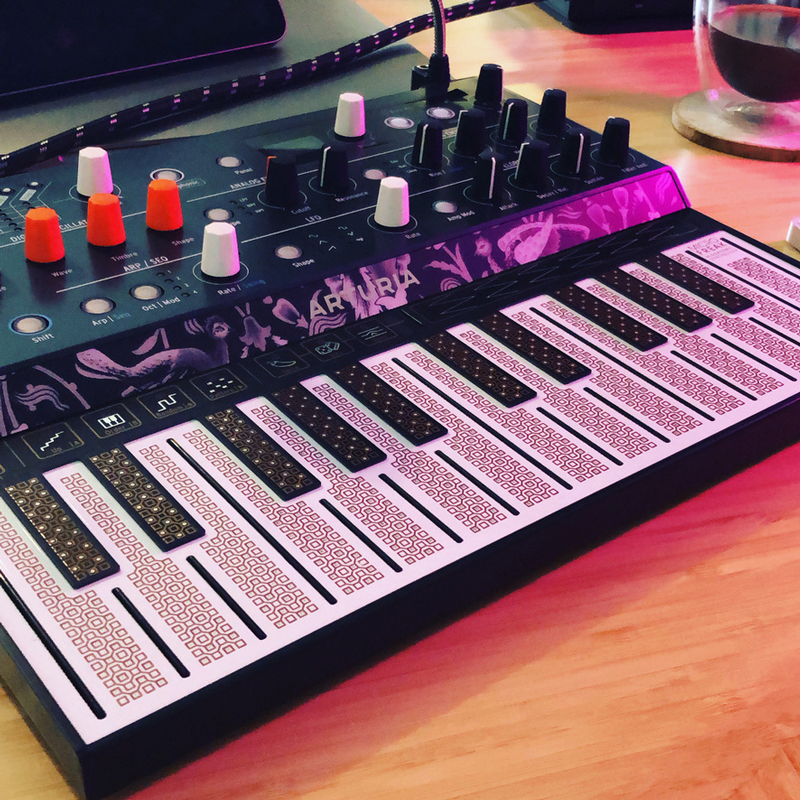
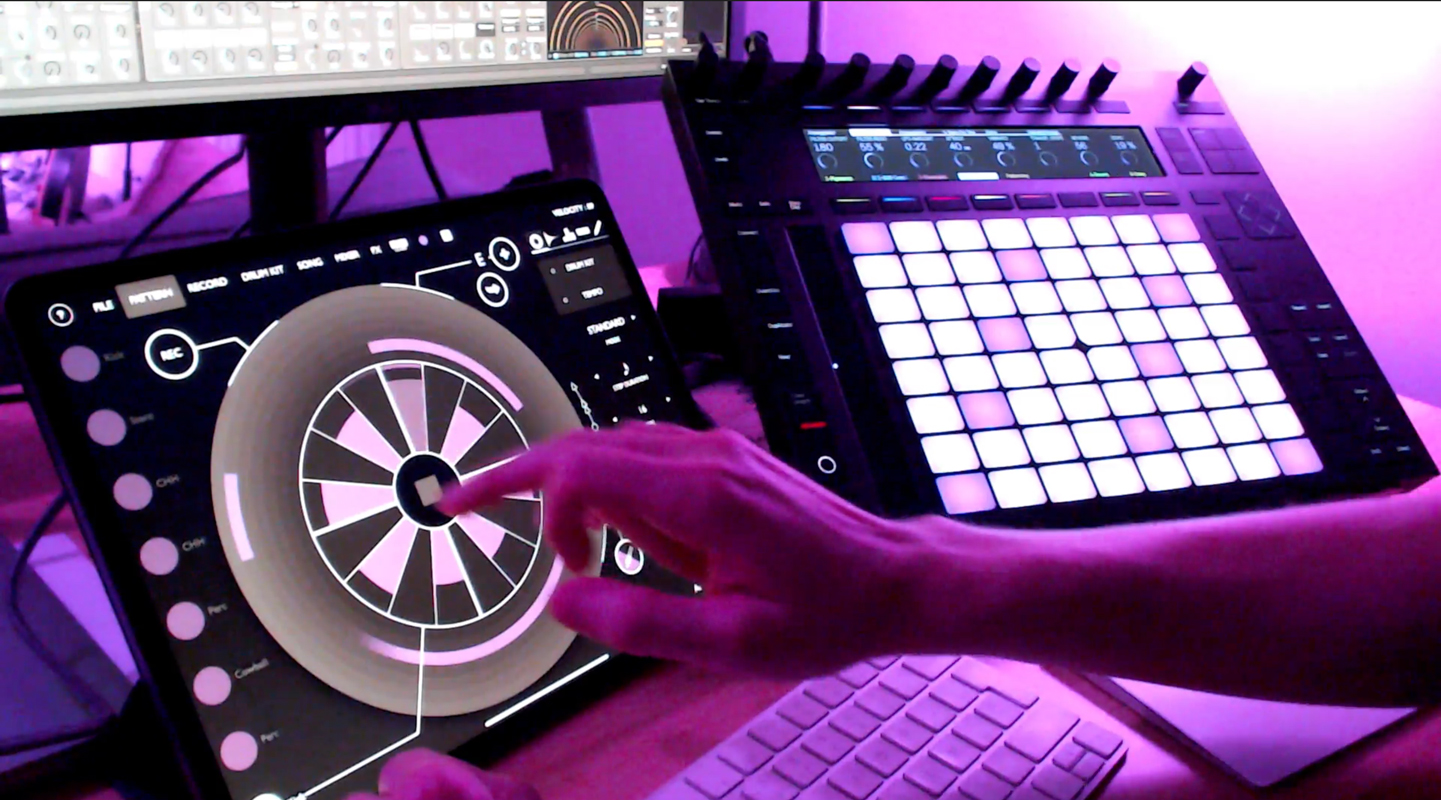
When I was seven years old, a close friend of my parents used to bring along programming books every time he visited us. He taught me how to copy and paste BASIC code from some simple games to the MO5 my parents had at the time — I didn’t know how to fix a typo, let alone save files. Little by little, I started to get the hang of it. I remember having lots of fun changing the text and switching between the different colours. This marked the beginning of my long history with computers and programming that lives on today. When I was eight years old, I remember having a redaction assignment in school. We were given a picture of a dog, and the objective was to describe the dog in detail. I went on to measure the different parts of the dog, writing down the exact measurements of its limbs. In hindsight, it is obvious my teacher wanted us to take a more visual approach and use adjectives to describe the dog. A clue as to why I took this approach could be the fact that my father was a math teacher, nonetheless, I was convinced to respect the theme to perfection. This situation illustrates my relationship to art quite well. I did not comprehend what was expected, and in all honesty, I’m the same to this day. But at least now, I’ve found an audience that appreciates and accepts me as I am. Throughout the years, I’ve picked up a good number of hobbies. Some of them are improvisational theatre, board games, zététique, paragliding, and more recently music. I played the accordion and drums when I was younger but had not practiced in a long time — so other than that, creating music was new to me. About five years ago, I started learning the electric guitar and my main goal was to get better at improvisation. I eventually started learning how to use Ableton Live and sound design with various types of synthesizers, which in turn led me to want to challenge myself by publishing tracks on Spotify. It was very hard work and not as much improvisation as I imagined, and as time passed it became less and less enjoyable for me. I did publish a few tracks on Spotify, but the whole experience resulted in limited success and feedback, though I was proud of what I had accomplished. Last year, in an effort to try something new and further practice improvisation, I reached out to a friend of mine who’s an artist to ask if they could teach me how to draw, as I expected drawing to be a lot more improvisational than what I was already doing in music. Being who I am, I quickly realized I wanted to draw the shapes flawlessly. To make that happen, we migrated to Procreate — a digital illustration app that allows its users to draw perfect shapes and lines on the iPad. However even while using Procreate, my frustration remained as I was not able to create exactly what I was imagining, which were geometric designs. I started to experiment with various types of vector drawing software before finally stumbling upon generative art using code. This type of art seemed like the perfect mix of improvisation and control to me, and *that* is ultimately what’s the most fun to me and what I was looking for all along. In 2021, the year I discovered generative art, I started learning how to use p5.js, a JavaScript library for creative coding. I studied various techniques I could use while following a bunch of artists on social media. After finding a sizeable group of artists I liked, I noticed a lot of them regularly mentioned Art Blocks, Foundation, Hic Et Nunc, etc. Naturally, I got curious and started exploring these platforms before eventually deciding I wanted to take part in them as well. Starting with Hic Et Nunc as it was the only one I had access to at the time, I created a series of infinite loops called “Animated Rays”, and with the help of the people in the HEN Discord, I launched my first NFT series. To my surprise, it sold out very quickly! I was later made aware of long-form generative art after hearing about another platform, fxhash. I looked into it and saw an incredible opportunity for me to try my hand at this way of creating my art – the experience was amazing and I loved playing around with the randomness. Long-form generative art felt perfect to me, and I continued to publish on fxhash until I had the privilege to join the 256ART family. I have, since the start of my journey, continued to learn, experiment, and publish my work, each time improving the quality and complexity of my projects. My most recent series on fxhash is called ARTERIA. It’s a long-form generative series where autonomous agents draw paths following a set of simple rules. The output is the result of the initial parameters and interactions between agents and local rules. It’s my most well-known project on fxhash to date. The goal of this project was to explore the concept of emergence, defining simple rules and behaviors at the individual level, and constraining them enough to have an aesthetic look while at the same time resulting in the maximum amount of surprises and variety at the macro level. I love the idea of producing algorithms that are so complex that even I am surprised by the results; I want to control the chaos enough to create meaning and emotion.
INTERVIEW